14 Budget-Friendly Paver Patio Ideas You Can Build Fast
The first patio I ever built started with a pile of leftover pavers, a free Saturday, and a very low budget. I wasn’t trying to create anything fancy—I just wanted a clean place to set a chair and stop sinking into the grass every time I carried coffee outside. By the end of the weekend, the space looked simple, a little rough around the edges, and honestly way better than I expected. It felt useful right away, which made the whole yard feel more finished without much effort. That was the moment I realized a patio doesn’t need to be expensive to make a big difference.
Since then, I’ve come to love paver patios for one reason more than anything else: they’re practical, affordable, and surprisingly forgiving. You can keep the layout simple, work with inexpensive materials, and still end up with something that feels polished and intentional. The best part is how quickly it comes together once the base is set. Some ideas lean more functional, some a little more styled, but all of them prove you don’t need a huge budget to build something that works. And honestly, fast projects that actually look good are kind of the sweet spot.
Now, I think of budget-friendly paver patios as one of the easiest ways to upgrade a backyard without turning it into a full renovation. A few smart layout choices, simple materials, and a little weekend effort can completely change how the space feels. Whether you want a tiny sitting area or a more defined outdoor zone, these ideas can help you build something useful, attractive, and fast. Let’s get into some paver patio ideas that keep costs low and payoff high.
1. Simple Square Paver Grid
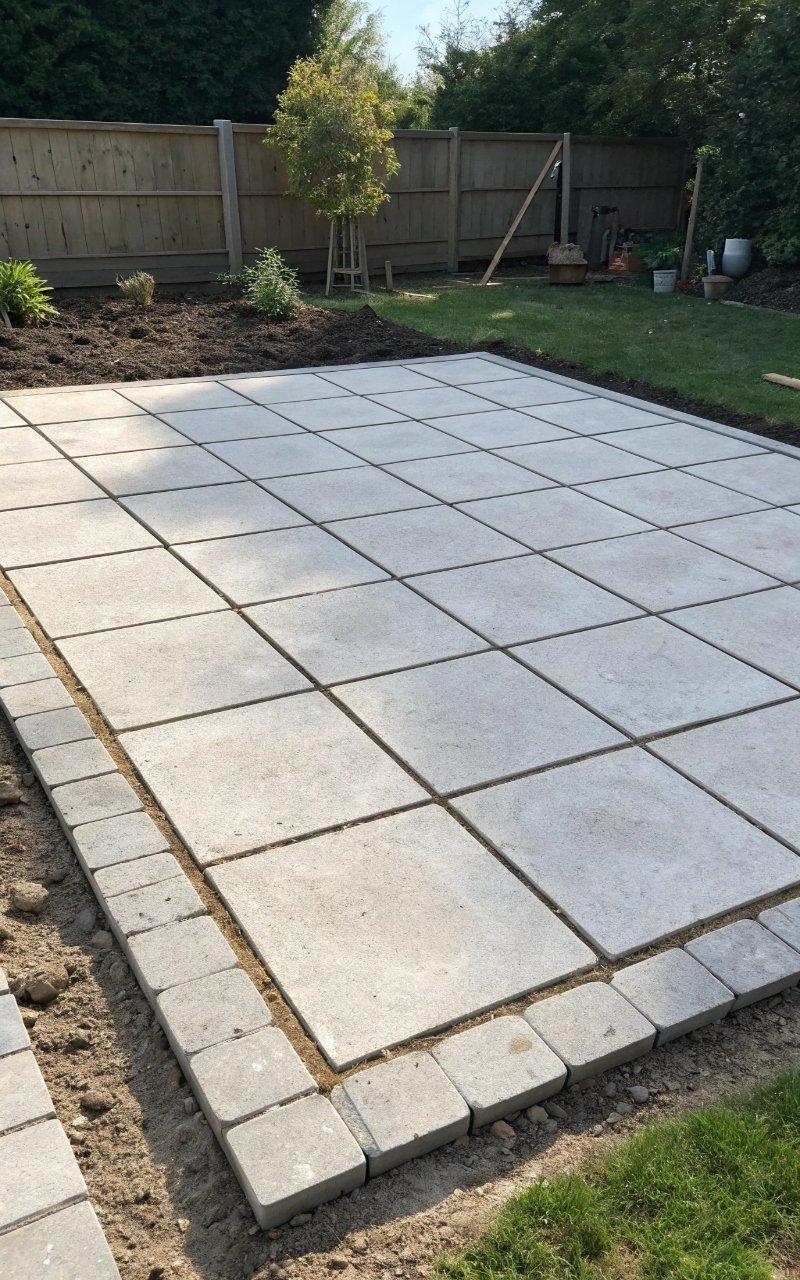
I laid basic square pavers in a clean grid, and the whole patio came together faster than almost anything else I’ve tried. The spacing keeps the layout simple and easy to measure. It looks neat without needing complicated cuts. The design feels clean and practical. It’s basic, but it works. Pro Tip: Use string lines first to keep rows straight.
2. Gravel and Paver Combo Patio
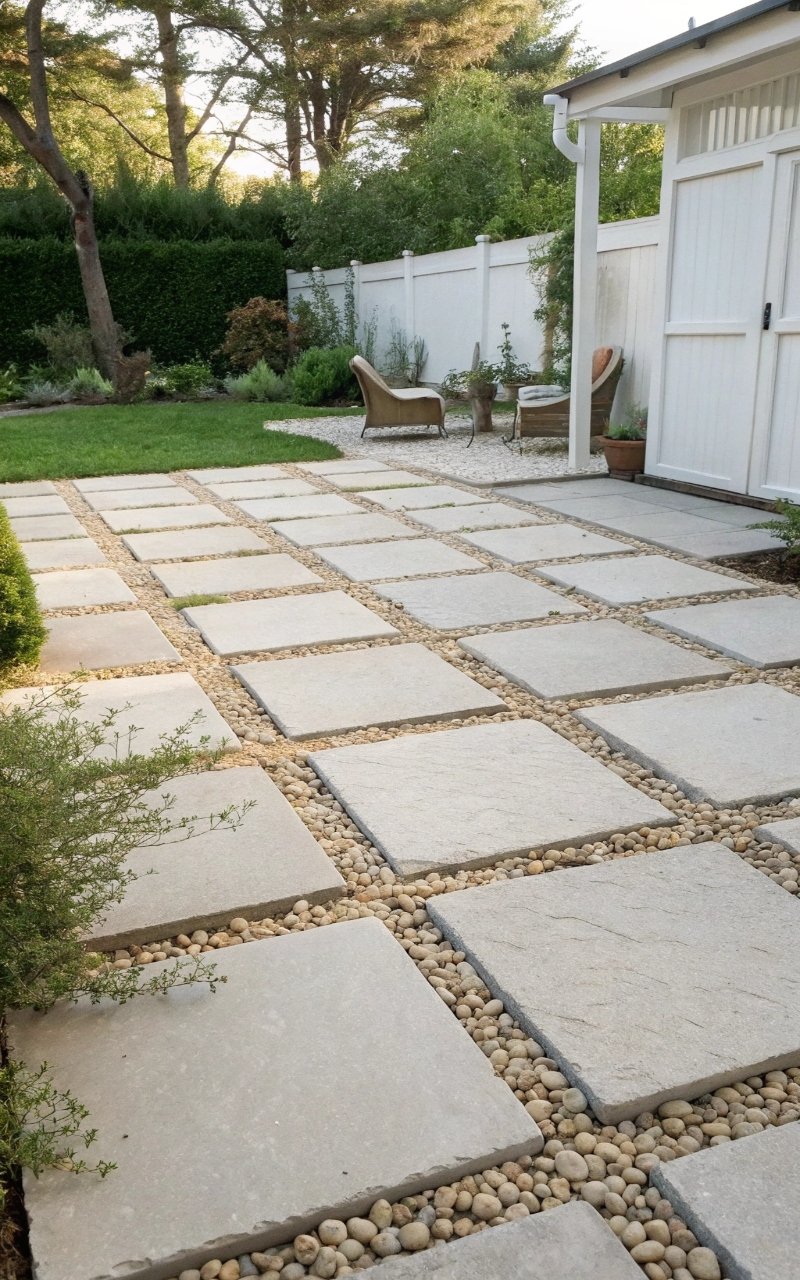
I paired inexpensive gravel with spaced pavers, and it filled a larger area without the cost of fully paving everything. The gravel keeps drainage easy and the pavers create structure. It feels casual but still finished. The contrast adds texture. It’s affordable and fast. Pro Tip: Use edging to keep gravel contained.
3. Small Bistro Corner Patio
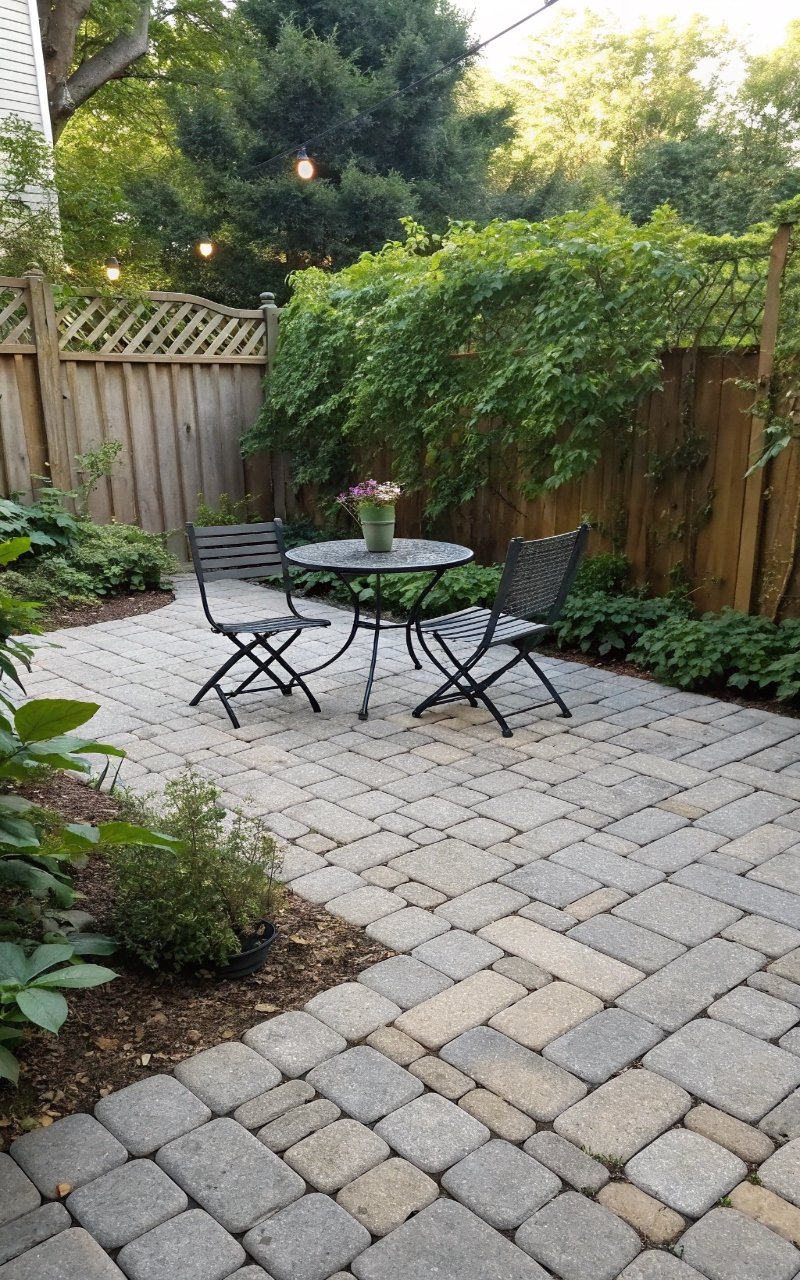
I built a tiny paver square just big enough for two chairs and a small table, and it instantly created a cozy outdoor spot. The smaller footprint keeps cost low. It feels intentional and useful. The setup comes together fast. It’s simple, but charming. Pro Tip: Measure furniture first before laying pavers.
4. Mixed Size Paver Layout
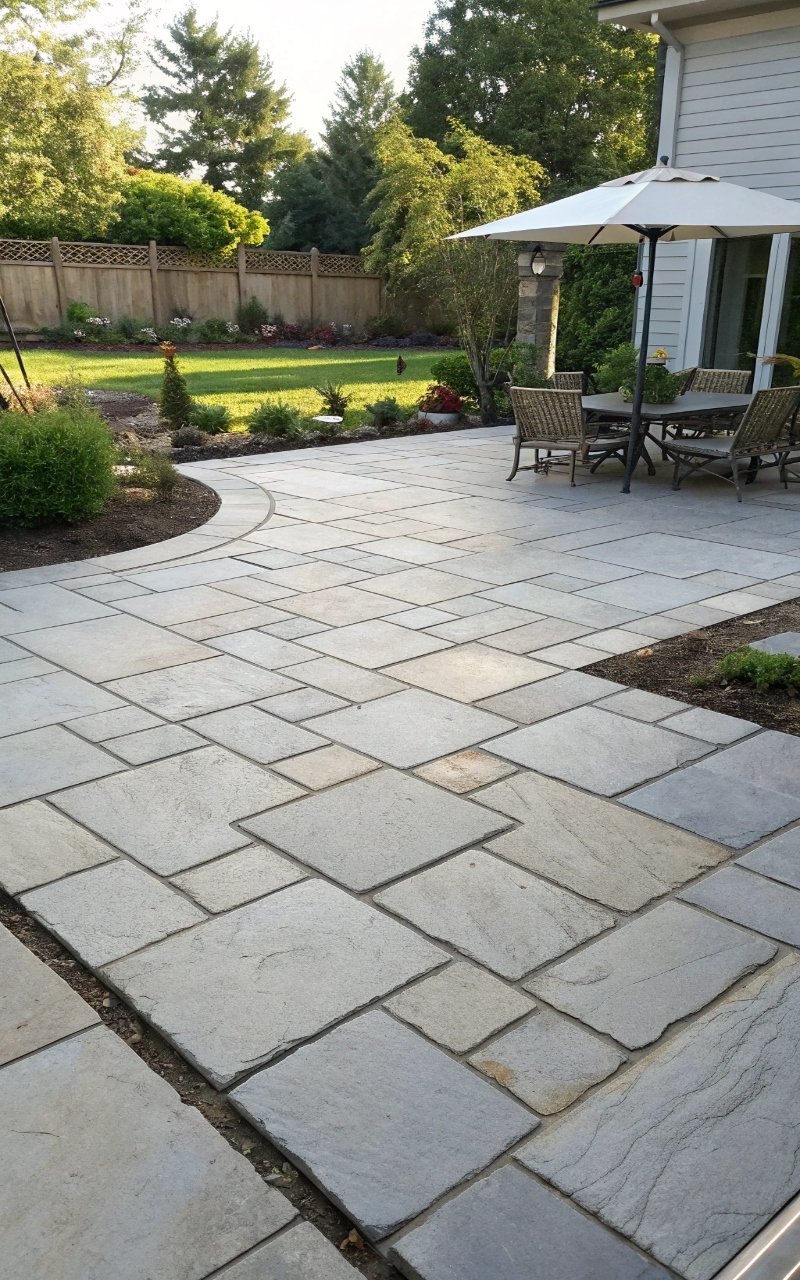
Using a mix of paver sizes made the patio feel more custom without adding much extra work. The variation adds visual interest. It looks more styled than a basic grid. The layout feels relaxed and natural. It’s simple, but elevated. Pro Tip: Dry lay the pattern first before setting it.
5. Stepping Patio with Grass Gaps
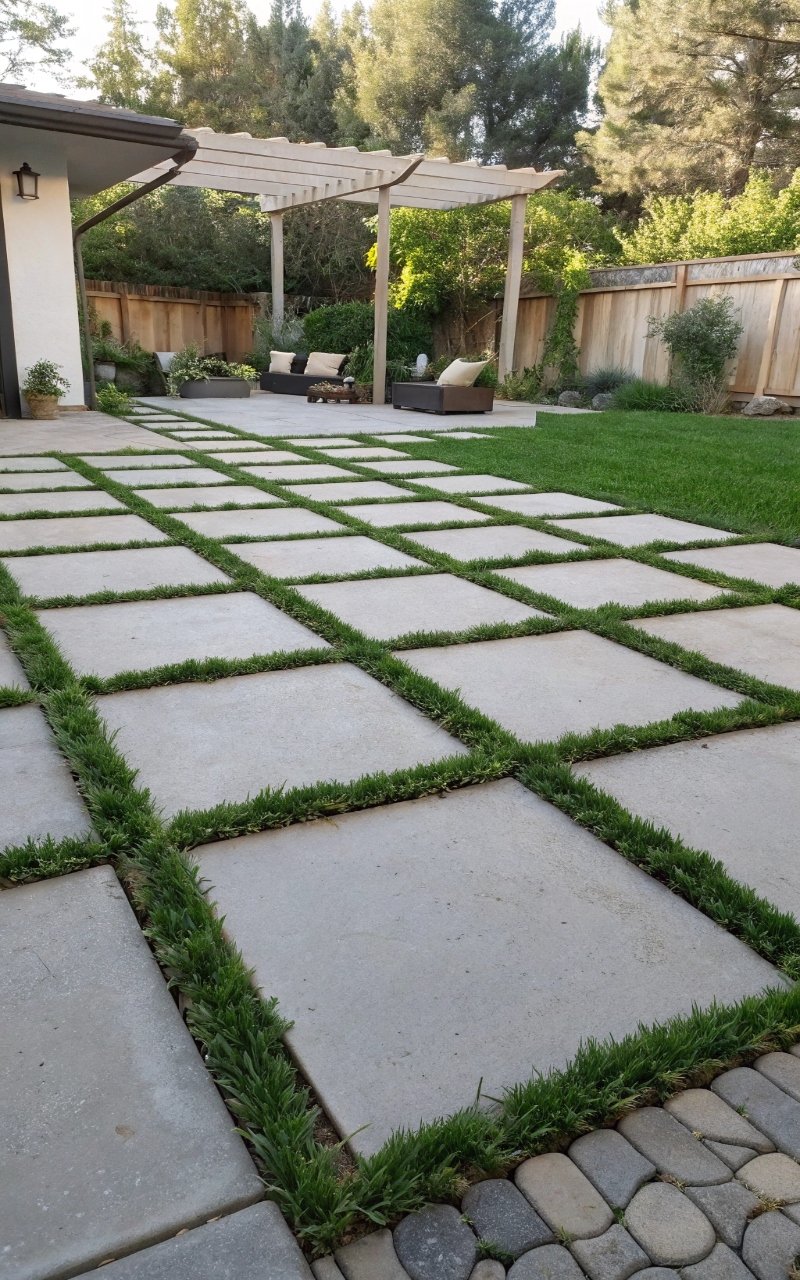
I spaced pavers with strips of grass between them, and it gave the patio a softer, more relaxed look that still felt structured. The green breaks up the hardscape nicely. It feels lighter and less formal. The layout is easy to build. It’s simple, but fresh. Pro Tip: Keep gaps even for a cleaner finish.
6. Circular Fire Pit Patio
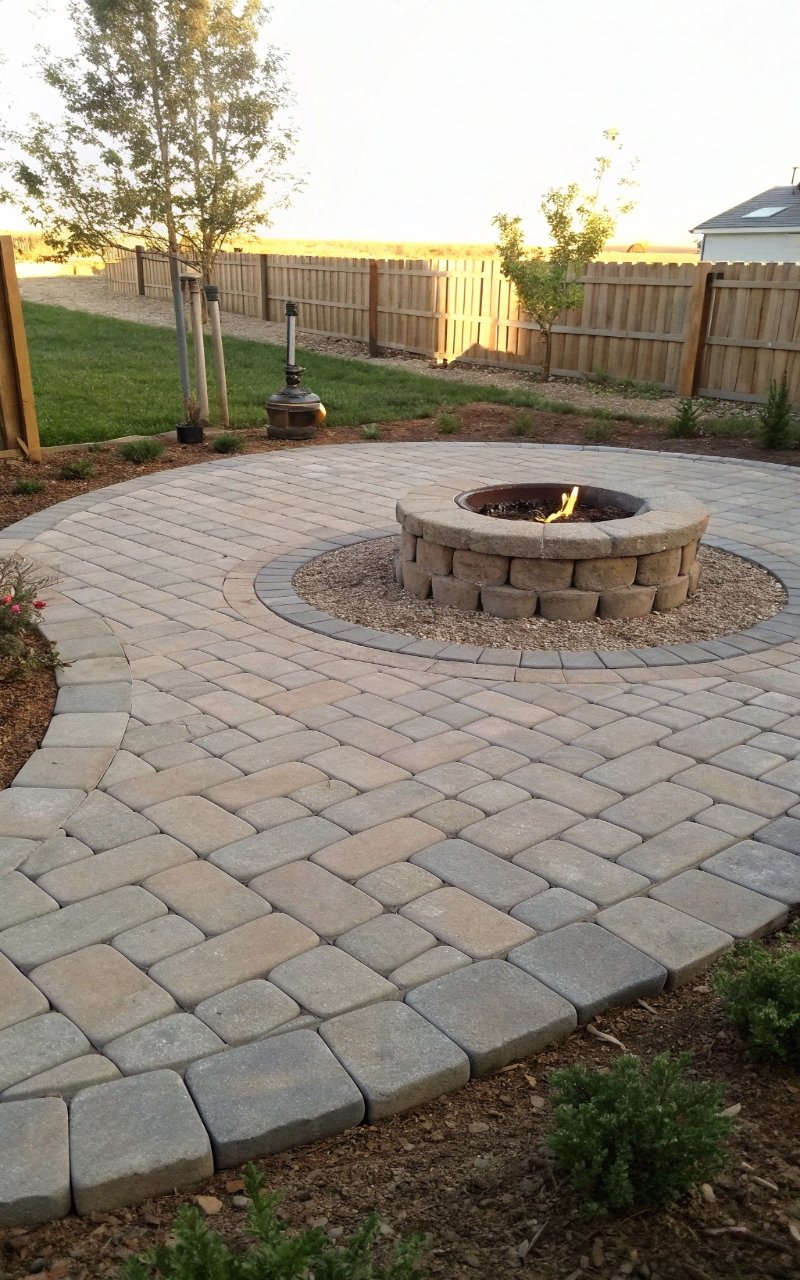
I built a quick circular patio around a small fire pit, and it instantly made the backyard feel more usable. The shape feels inviting and social. It creates a natural focal point. The smaller scale keeps it affordable. It’s simple, but effective. Pro Tip: Mark the circle with string before laying.
7. Reclaimed Paver Patio
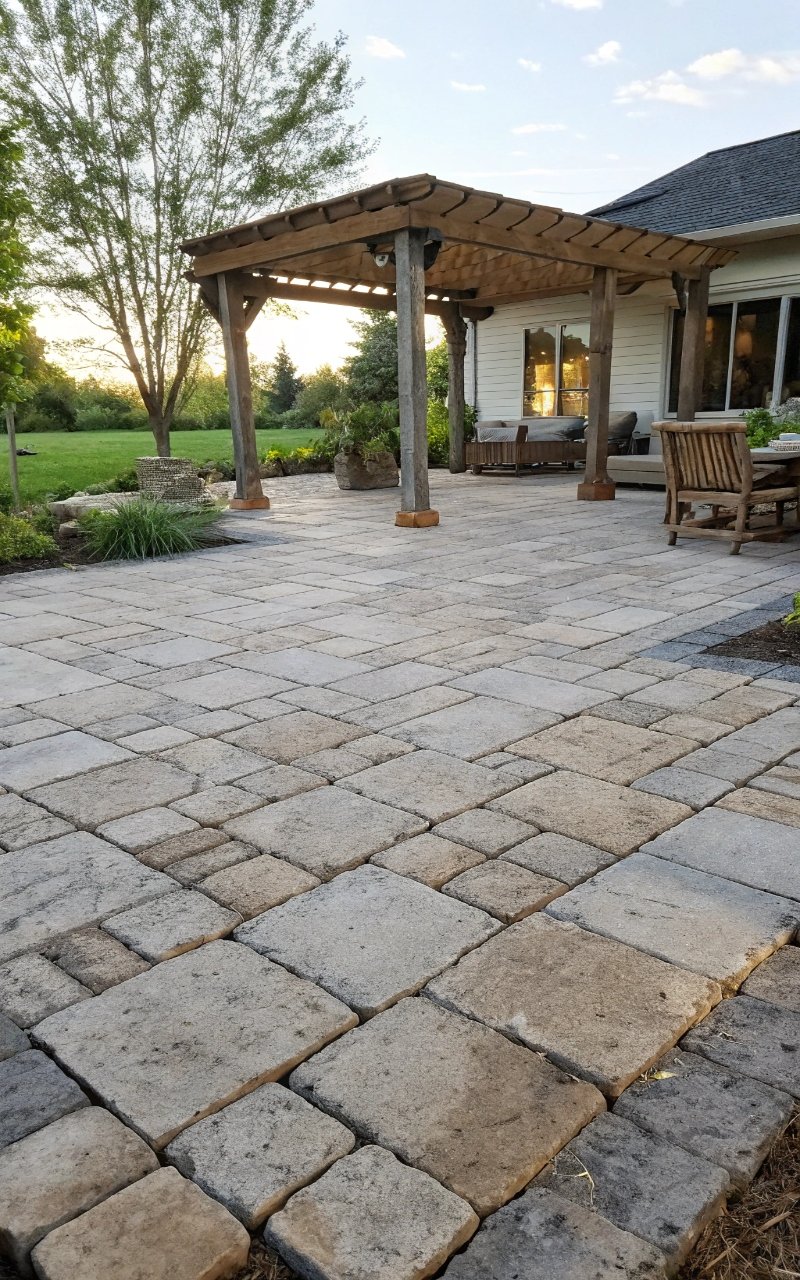
I used reclaimed pavers from another project, and they gave the patio a more lived-in look while cutting costs big time. The worn texture adds character. It feels relaxed and practical. The materials keep the project cheap. It’s simple, but smart. Pro Tip: Sort reclaimed pieces by thickness first.
8. Narrow Side Yard Patio Strip
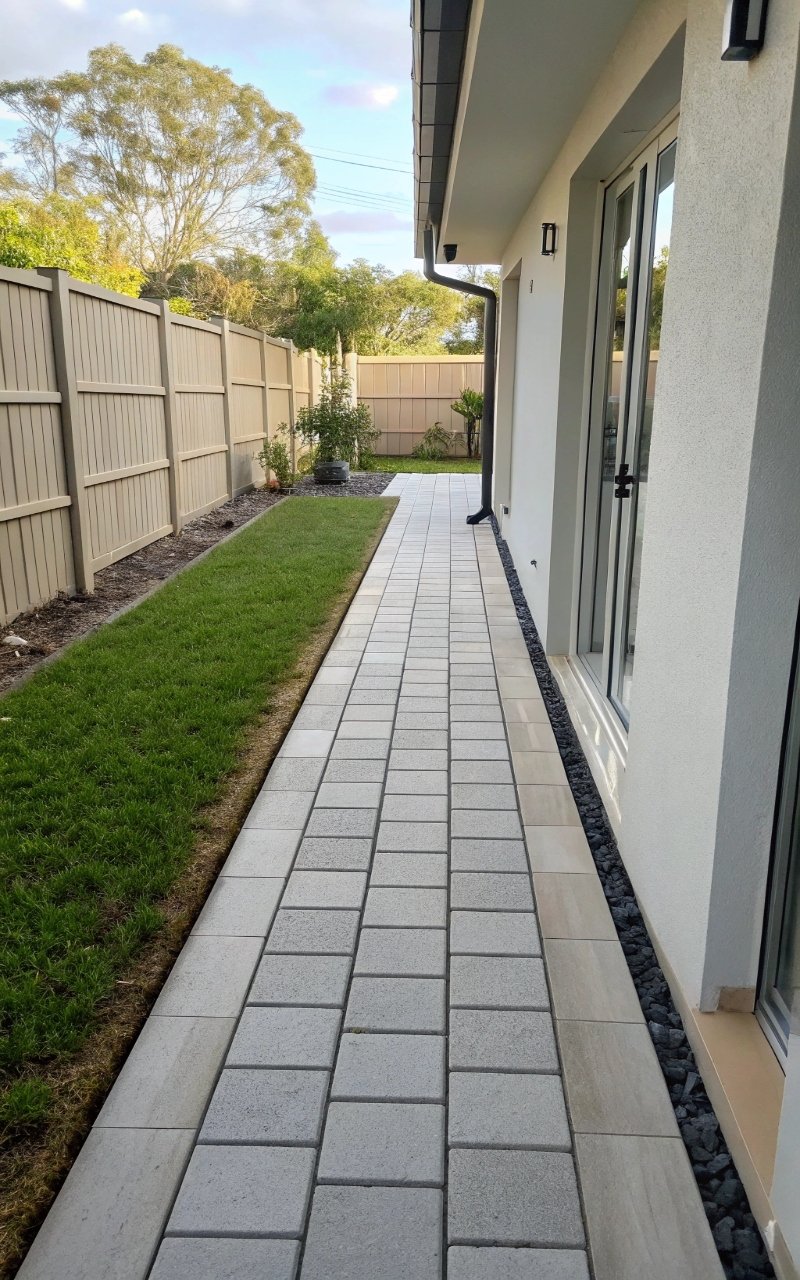
I turned a narrow side yard into a slim paver path-patio, and it made an awkward area actually useful. The long layout works well in tight spaces. It feels cleaner and more intentional. The footprint stays budget-friendly. It’s simple, but efficient. Pro Tip: Use rectangular pavers for easier alignment.
9. Paver Patio with Mulch Border
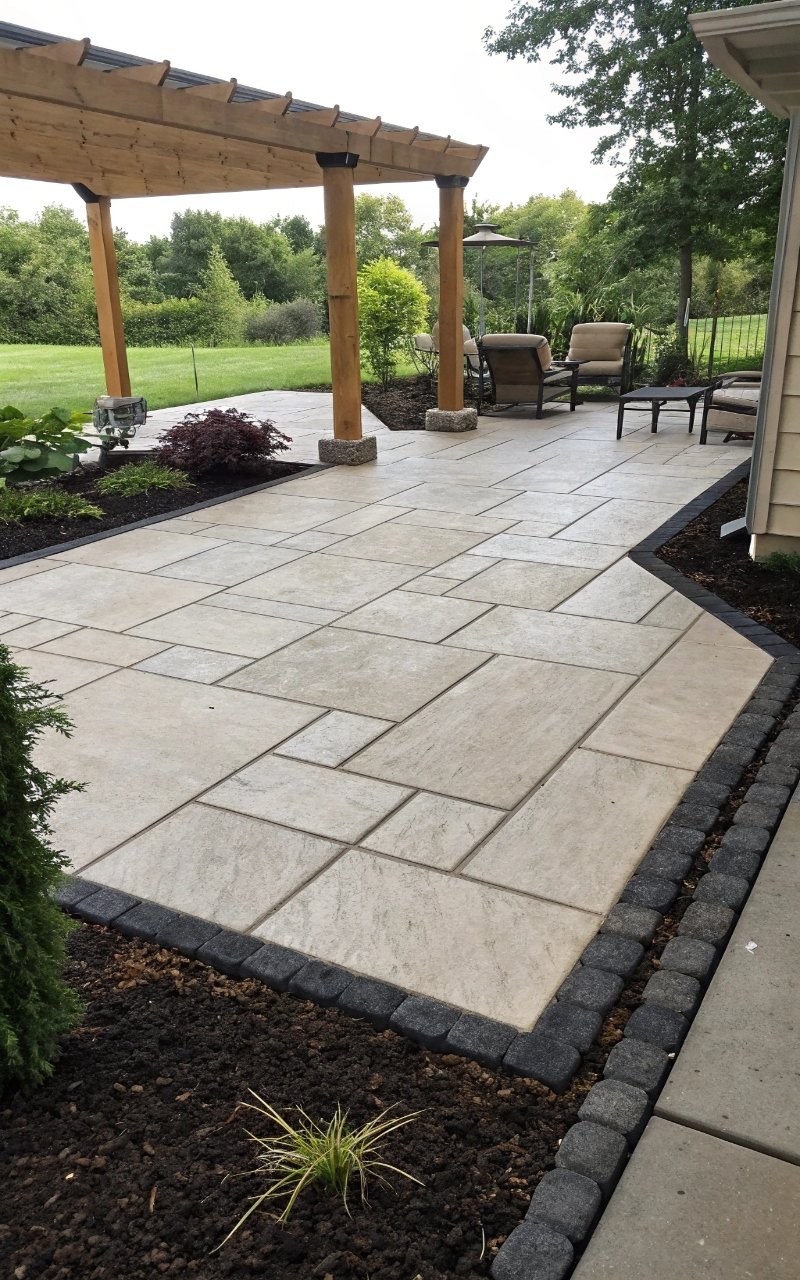
I framed a simple patio with mulch instead of more hardscape, and it softened the edges while keeping costs low. The border adds contrast and keeps the design tidy. It feels more finished. The mix looks balanced. It’s simple, but effective. Pro Tip: Refresh mulch yearly for a cleaner look.
10. Minimal Patio Pad for Grill Area
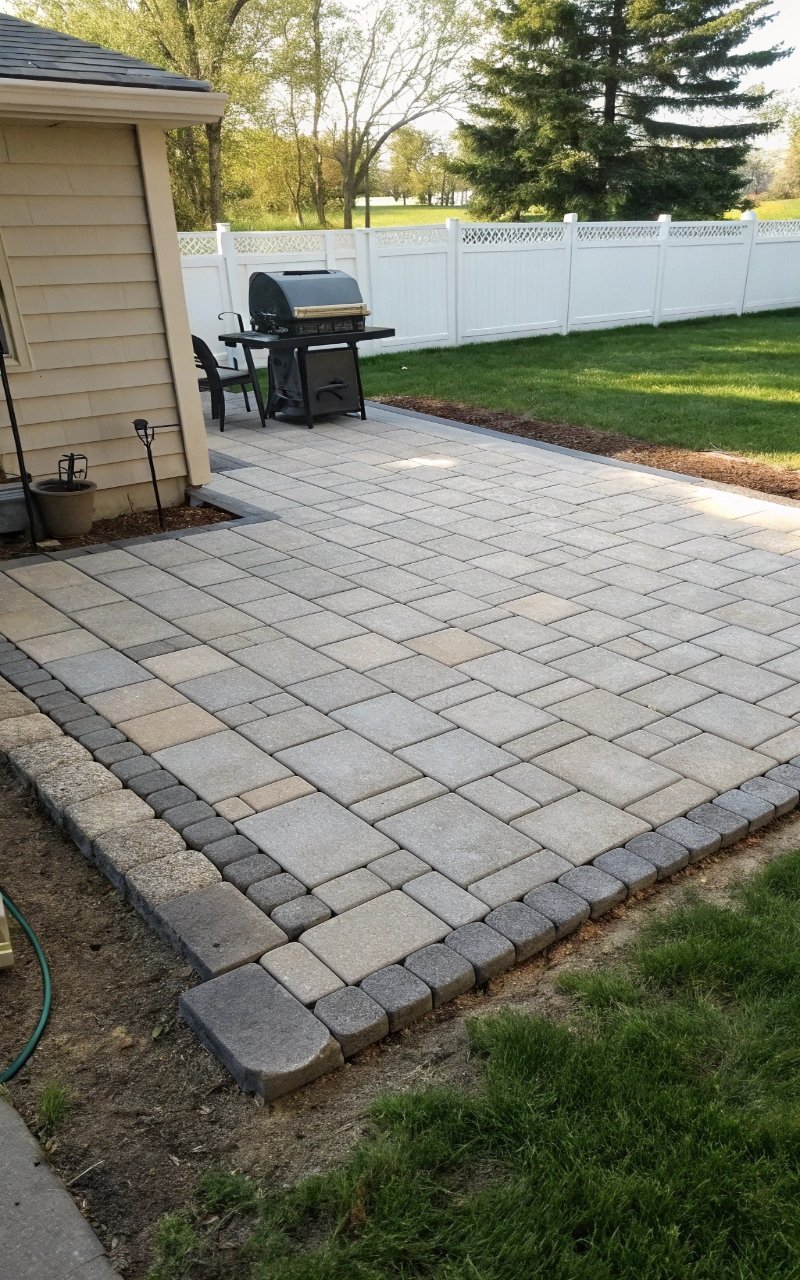
I made a compact paver pad just for the grill, and it instantly gave that corner a cleaner, more practical setup. The small size keeps it affordable. It protects the grass and adds function fast. The layout feels tidy. It’s simple, but useful. Pro Tip: Leave extra space for movement around the grill.
11. Checkerboard Paver Pattern
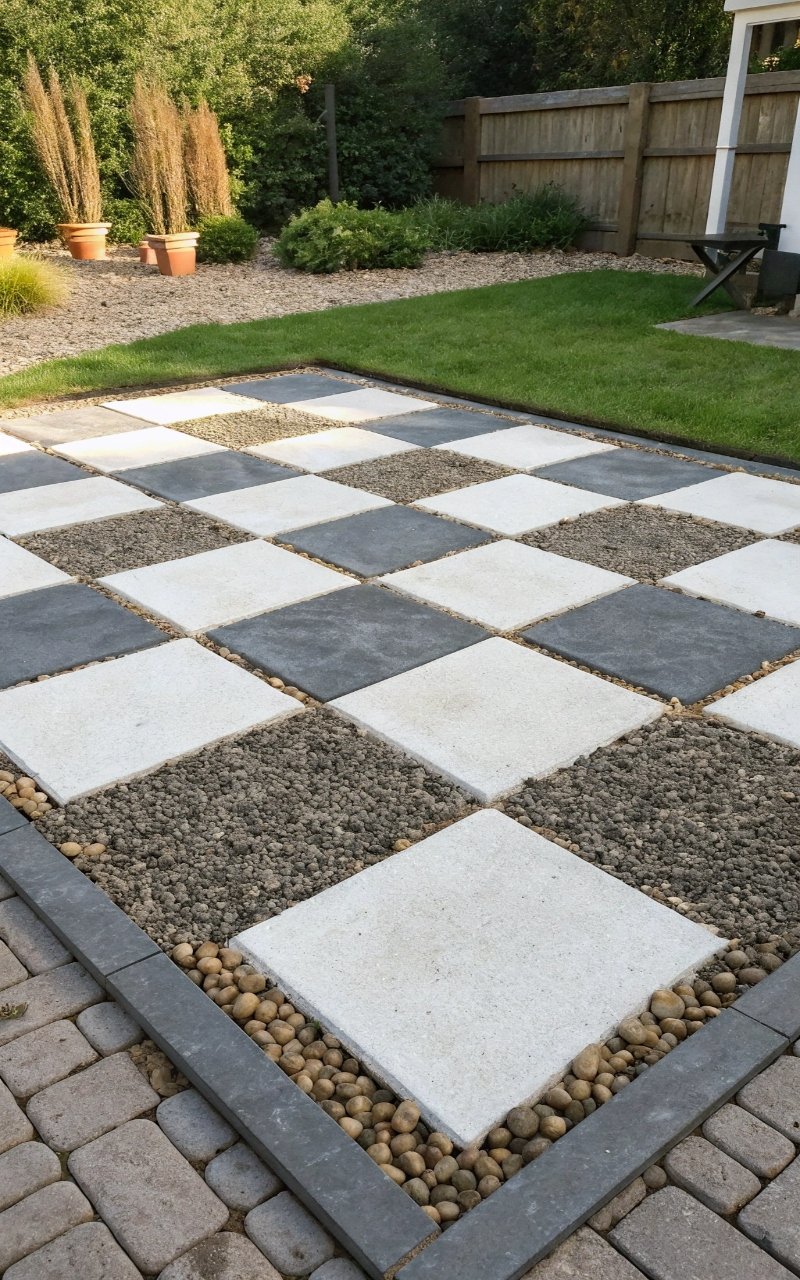
I alternated pavers with gravel in a checkerboard pattern, and it made the patio feel more designed without adding much cost. The pattern adds visual interest. It keeps material use lower. The layout feels playful and neat. It’s simple, but stylish. Pro Tip: Keep spacing exact for the cleanest look.
12. Raised Paver Seating Nook
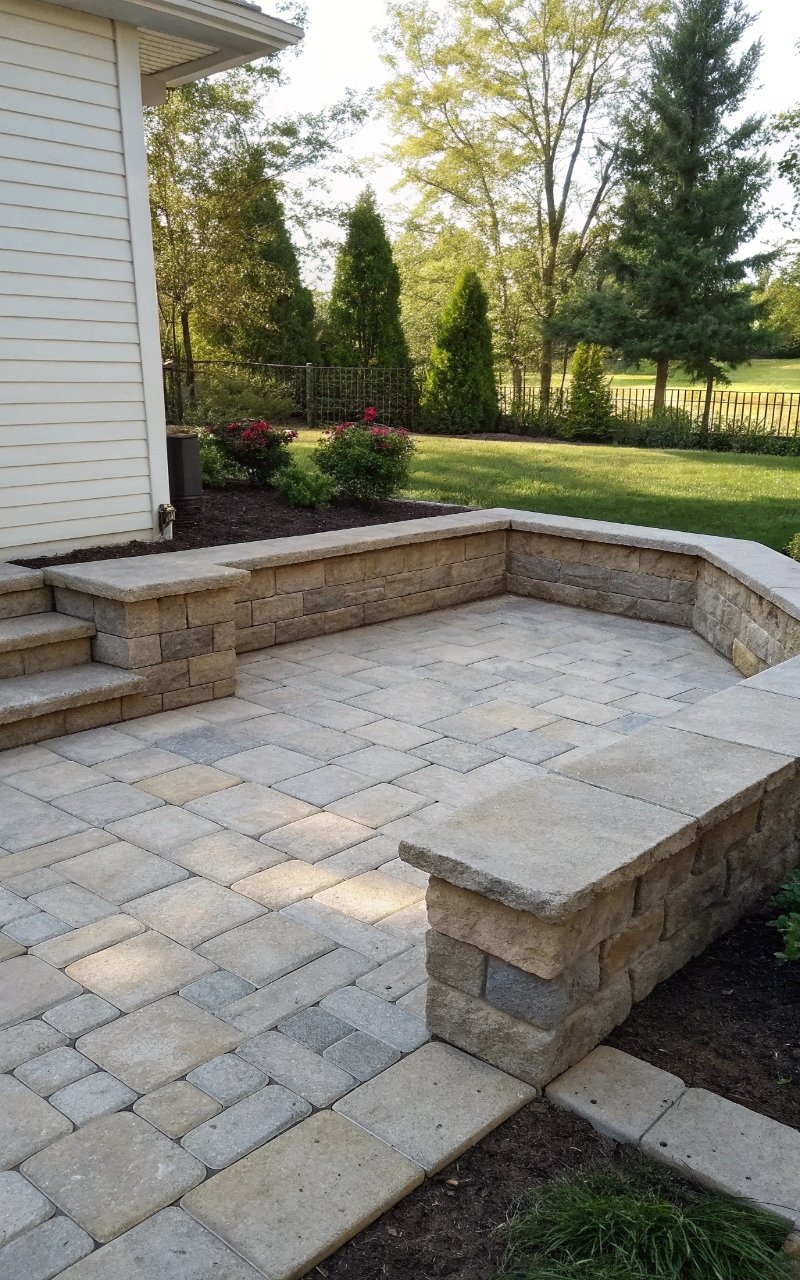
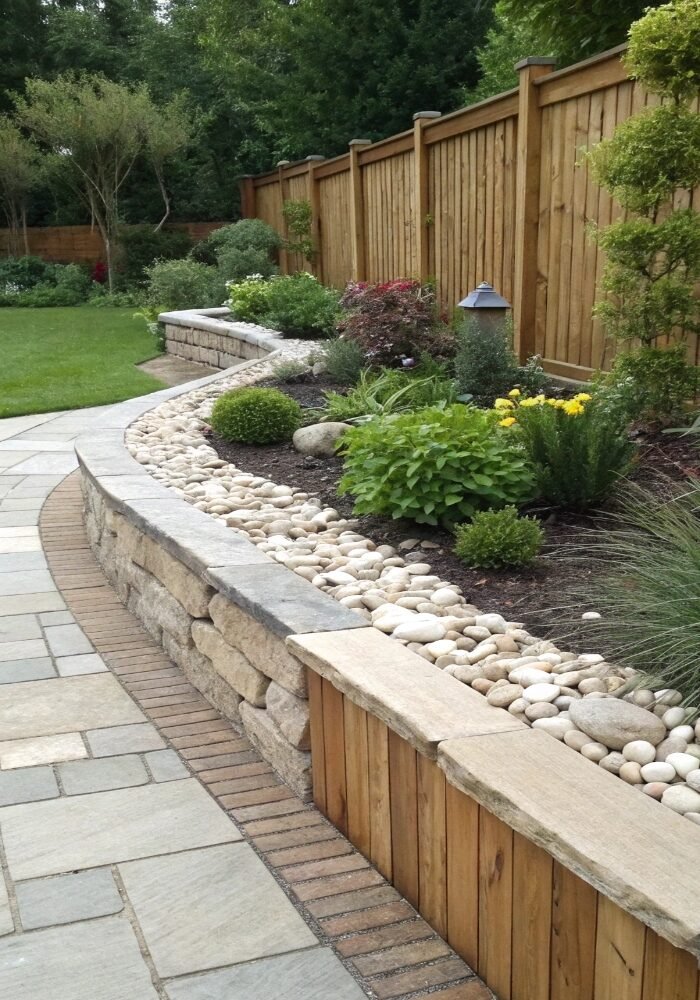
I slightly defined the patio edge with a raised border, and it made a basic seating nook feel more finished. The edge gives the space shape and structure. It feels more intentional. The patio still stays simple to build. It’s subtle, but useful. Pro Tip: Use landscape adhesive for stable edging.
13. Quick Patio with Sand-Set Pavers
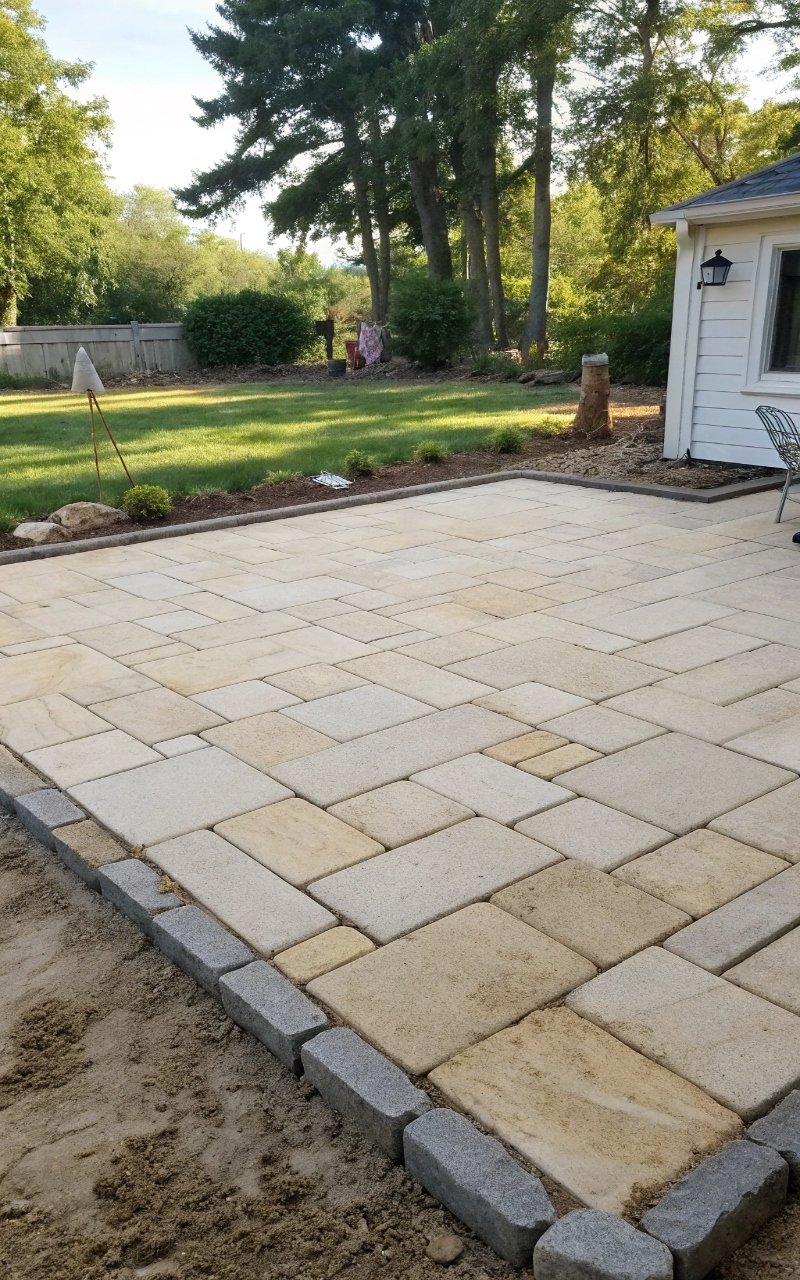
I used a sand-set method instead of mortar, and it made the entire project faster and much easier to adjust. The setup is beginner-friendly. It keeps labor low and flexible. The patio still feels solid when done right. It’s simple, but efficient. Pro Tip: Compact the base well before laying anything.
14. Corner Patio with String Lights
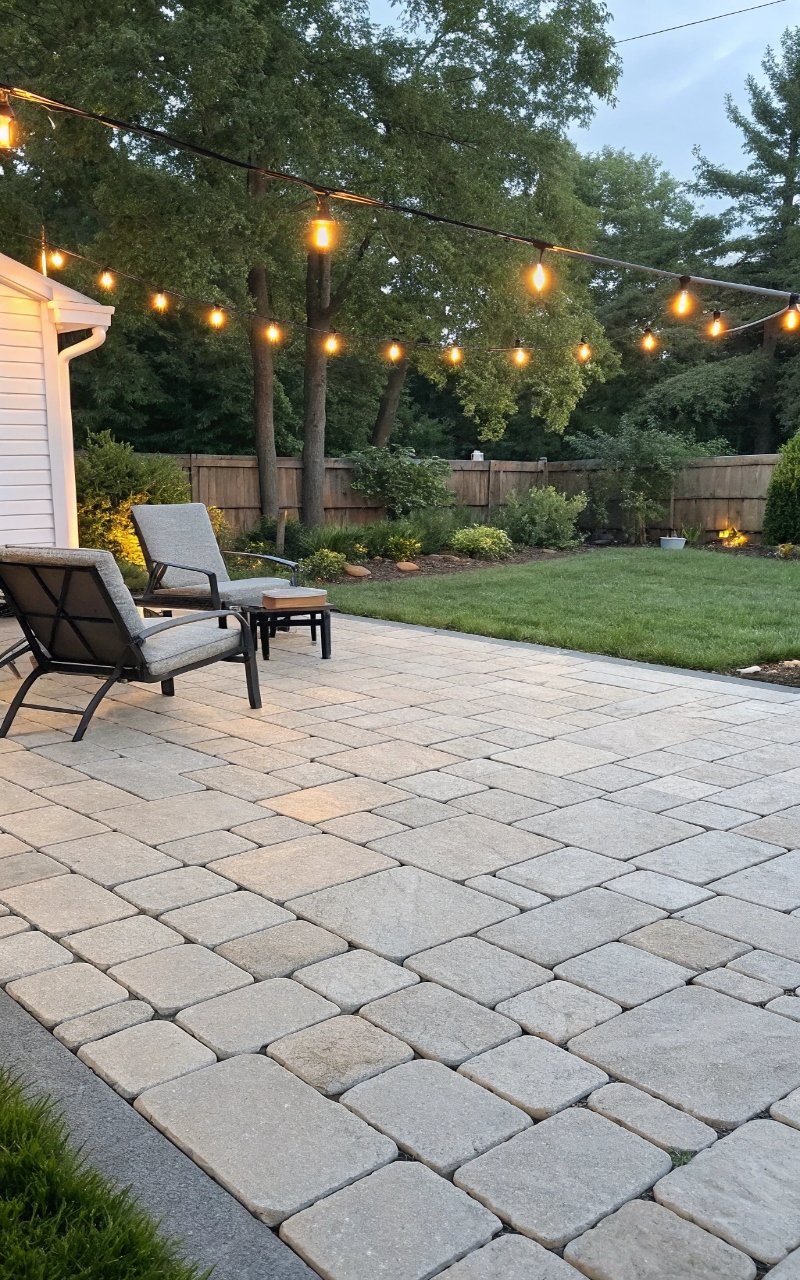
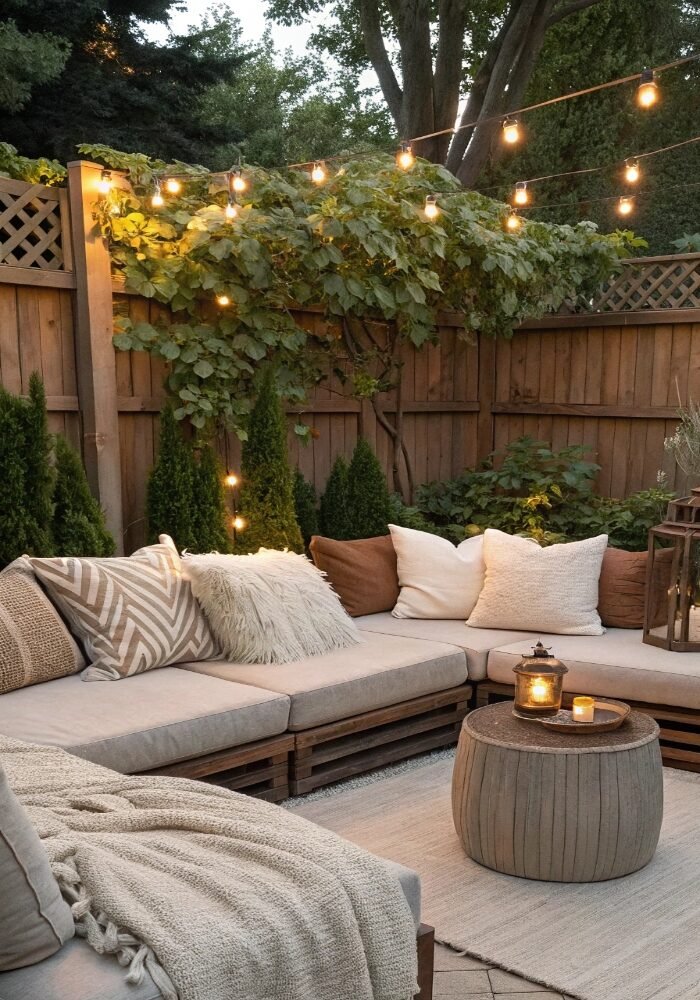
I finished a basic paver corner with a few chairs and string lights, and suddenly the whole setup felt way more polished than the budget suggested. The pavers create structure while the lighting adds atmosphere. It feels cozy and complete. The payoff is immediate. It’s simple, but such a vibe. Pro Tip: Add lighting last so you can place it around the finished layout.
Conclusion
A budget-friendly paver patio doesn’t need much to make a backyard feel more usable, finished, and comfortable. These ideas prove that simple layouts and affordable materials can still create something that looks intentional and works well right away. The real value comes from building a space you’ll actually use, not from overcomplicating the design. That’s what makes these projects worth doing.
What makes paver patios so practical is how flexible they are, especially when time and budget both matter. You can start small, keep the layout simple, and still create a noticeable upgrade in just a weekend. Even the most basic setup can change how the whole yard feels.
As you plan your patio, focus on what will make the space more useful first, then add the details that make it feel inviting. A fast build can still look thoughtful when the layout is done well. In the end, a simple patio you use often will always feel better than a complicated one you never finish.