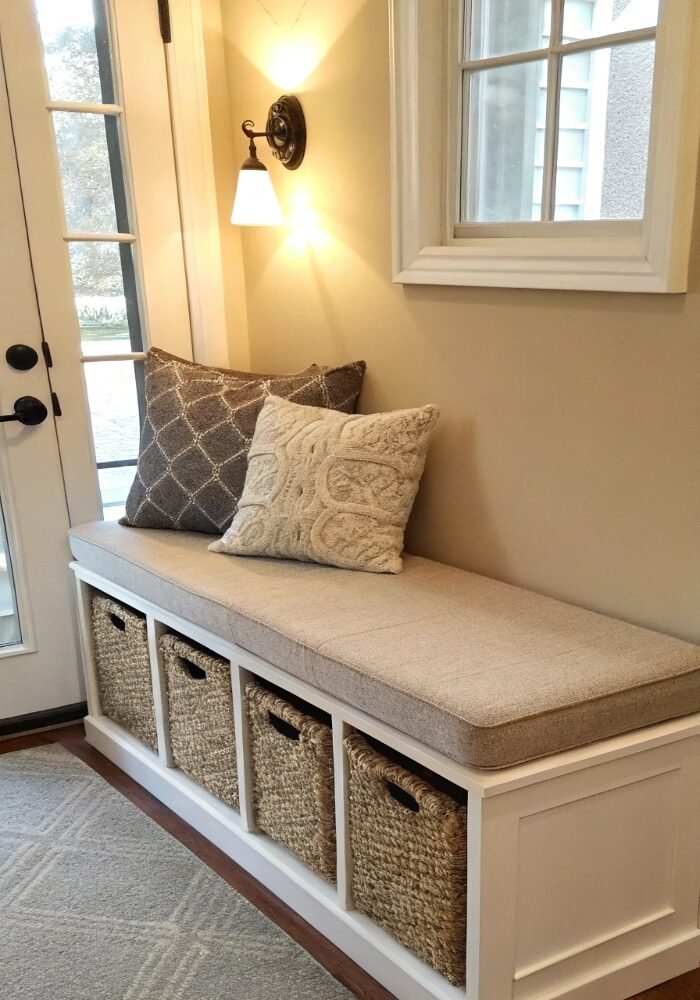
15 Vintage Home Decor Ideas Mixing 1920s to 1970s
There is something incredibly special about walking into a home that feels layered with history, character, and personality. A few years ago, I visited a family friend whose house looked like it had been carefully collected over decades rather than decorated all at once. An elegant Art Deco mirror hung above a mid-century credenza, while a floral armchair from the 1970s sat comfortably beside a sleek 1950s floor lamp. Somehow, none of it felt mismatched. Instead, every piece seemed to tell part of a larger story, creating a home that felt warm, lived-in, and completely unique.
That visit completely changed the way I viewed vintage decorating. Before then, I assumed decorating with pieces from different decades would feel chaotic or overly themed. What I discovered was that thoughtfully mixing styles from the 1920s through the 1970s creates depth and personality that modern furniture alone often struggles to achieve. Each era contributes something distinctive, whether it is the glamour of the Roaring Twenties, the optimism of the 1950s, or the bold creativity of the 1970s.
The beauty of vintage home decor lies in its ability to blend nostalgia with timeless design. By combining carefully selected elements from multiple decades, you can create spaces that feel collected, meaningful, and effortlessly stylish. Whether you’re a dedicated vintage collector or simply looking to add character to your home, these ideas will help you mix pieces from different eras while maintaining a cohesive and inviting look.
1. Pair an Art Deco Mirror with Mid-Century Furniture
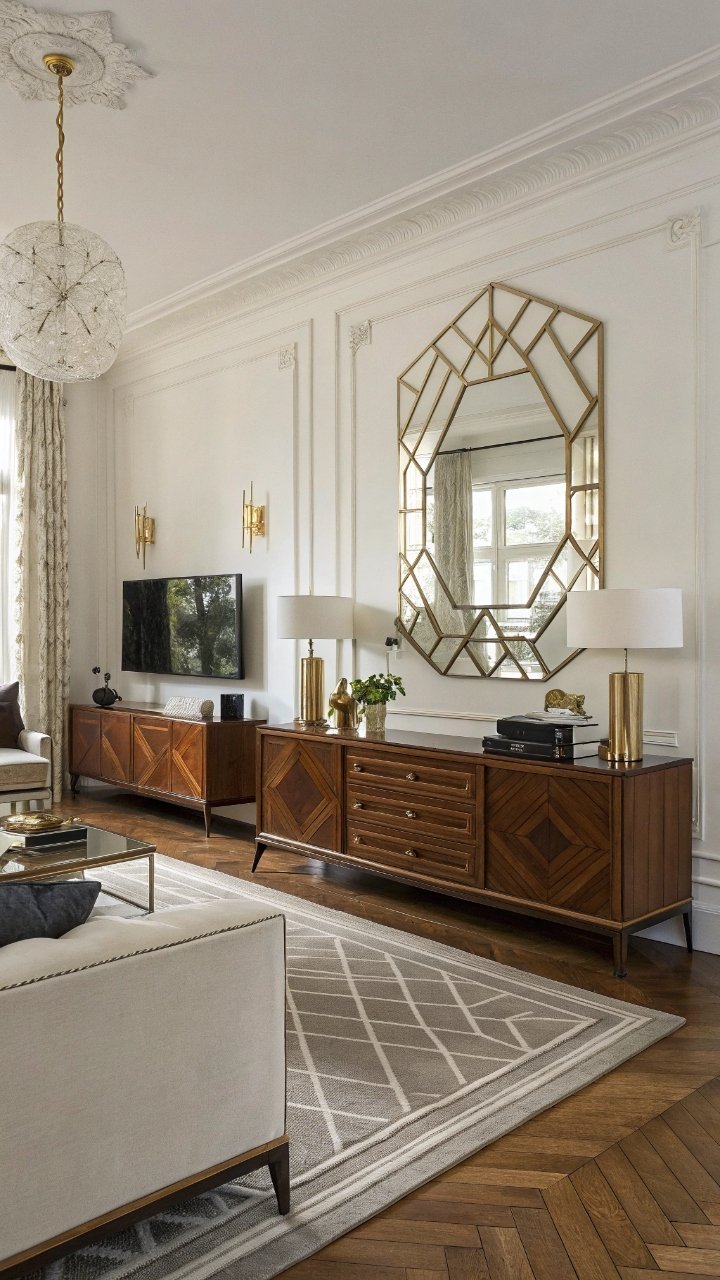
One of my favorite ways to mix decades is by combining the glamour of the 1920s and 1930s with the clean lines of the 1950s and 1960s. A stunning geometric Art Deco mirror instantly becomes a focal point when placed above a sleek mid-century credenza or console table. The contrast between ornate elegance and minimalist design creates visual balance that feels sophisticated rather than overwhelming. Metallic finishes, rich wood tones, and symmetrical shapes work surprisingly well together. Have you ever noticed how opposites often create the most memorable interiors? This combination proves exactly that.
Pro Tip: Choose a mirror with brass or gold accents to complement warm wood furniture.
2. Mix Floral 1970s Fabrics with Classic Wooden Furniture
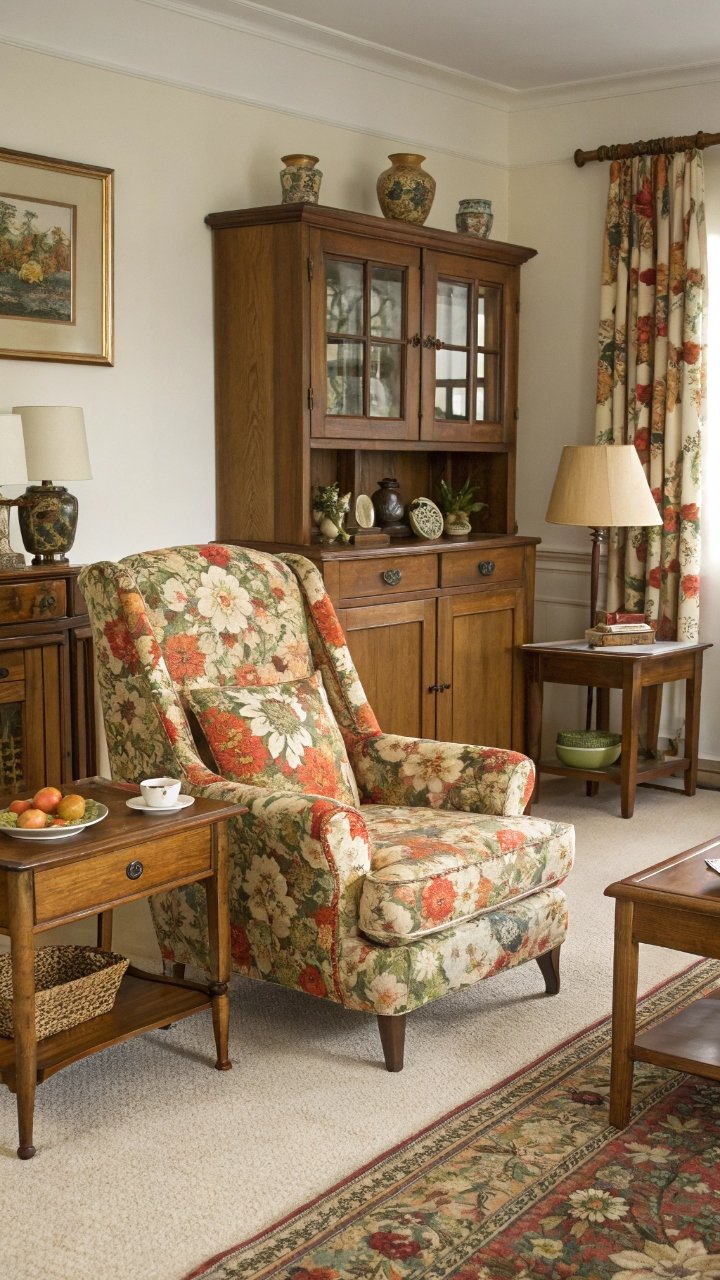
Vintage floral fabrics from the 1970s bring warmth, color, and personality to spaces filled with traditional wooden furniture. I love how a bold floral armchair can breathe new life into a room while maintaining a cozy, collected appearance. The rich patterns create visual interest without requiring a complete room makeover. Floral prints instantly soften harder furniture lines and make spaces feel welcoming. This pairing feels nostalgic yet surprisingly fresh in today’s interiors.
Pro Tip: Use floral patterns on one statement piece to prevent the room from feeling too busy.
3. Display Vintage Suitcases as Decorative Storage
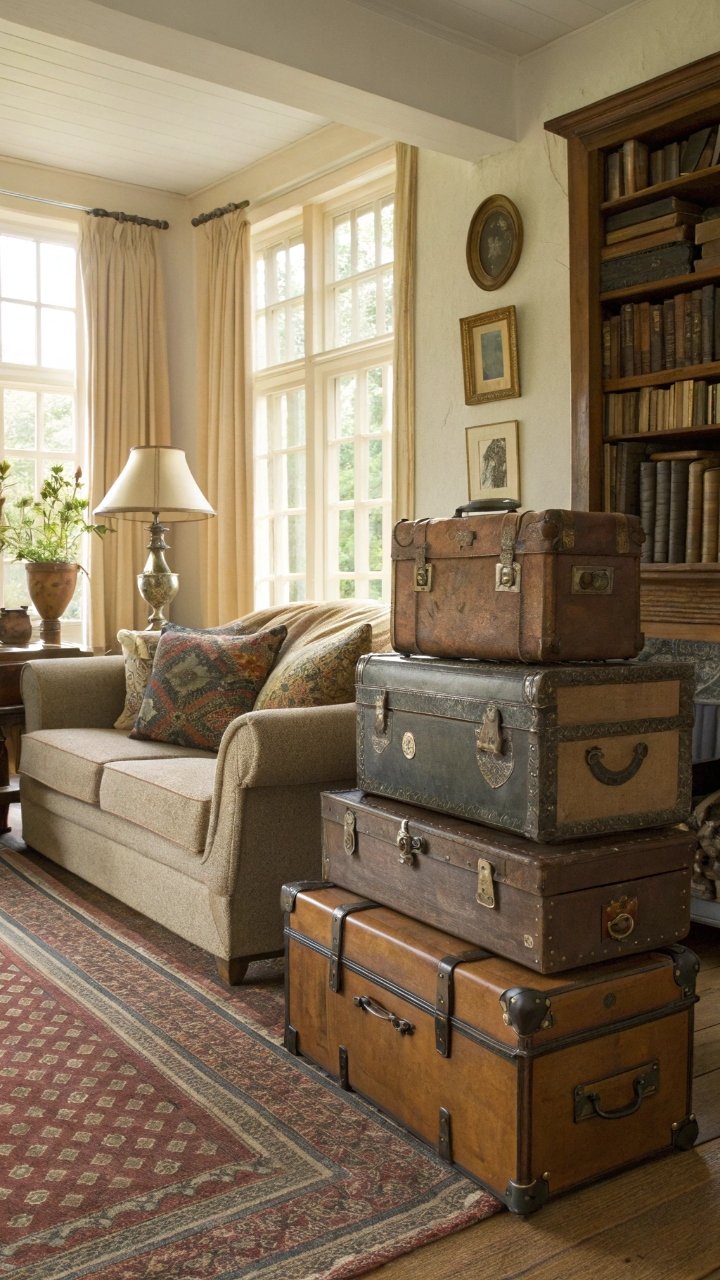
Old suitcases from the 1930s through the 1960s add instant charm while serving a practical purpose. Stacked beside a sofa or tucked into a corner, they create a collected-traveler aesthetic that feels authentic and inviting. Their worn leather, brass hardware, and aged textures add character modern storage often lacks. Every scuff and scratch tells a story, making them wonderful conversation pieces. Plus, who doesn’t love decor that also provides hidden storage?
Pro Tip: Use vintage suitcases to store blankets, magazines, or seasonal decor.
4. Combine 1950s Atomic Lighting with Traditional Decor
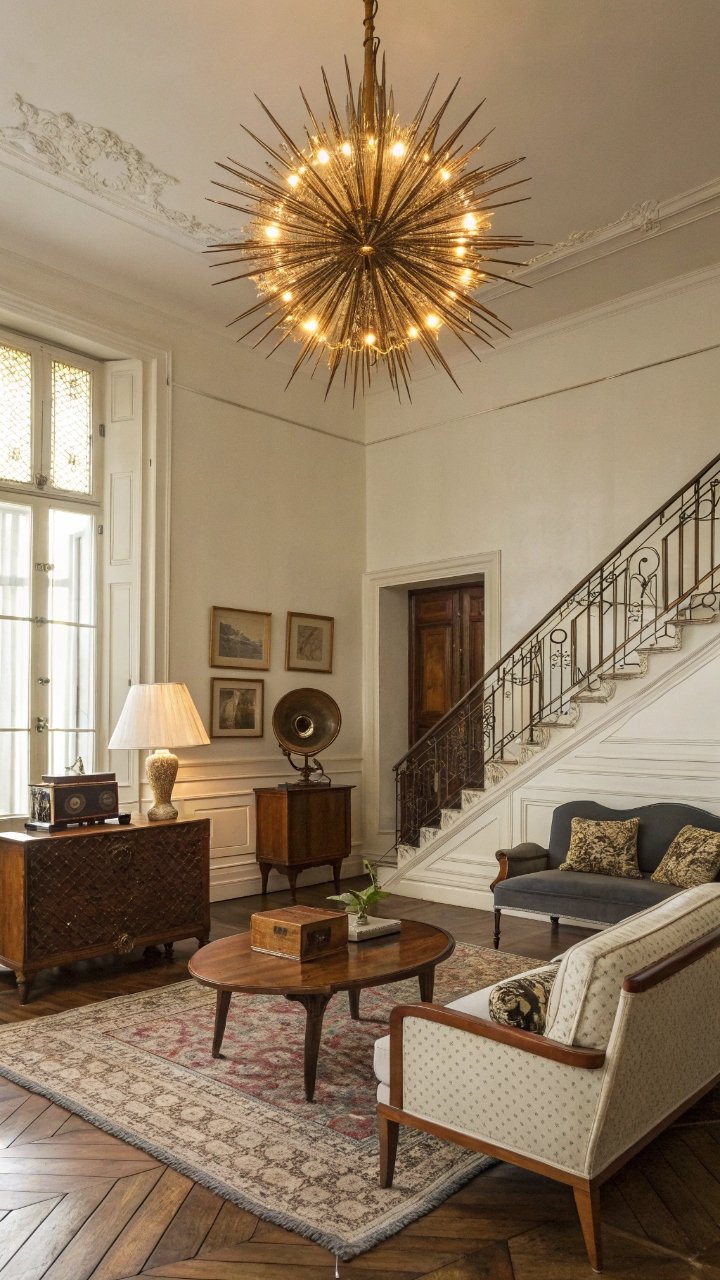
Atomic-era lighting fixtures bring playful energy into traditional rooms without feeling out of place. I once added a starburst chandelier to a room filled with antique furnishings, and the result was surprisingly stunning. The sculptural shapes create contrast while adding a touch of mid-century personality. Mixing old and older styles often creates a far more interesting space than sticking to one period. The combination feels curated rather than predictable.
Pro Tip: Let a statement light fixture become the room’s primary focal point.
5. Create a Gallery Wall with Vintage Advertisements
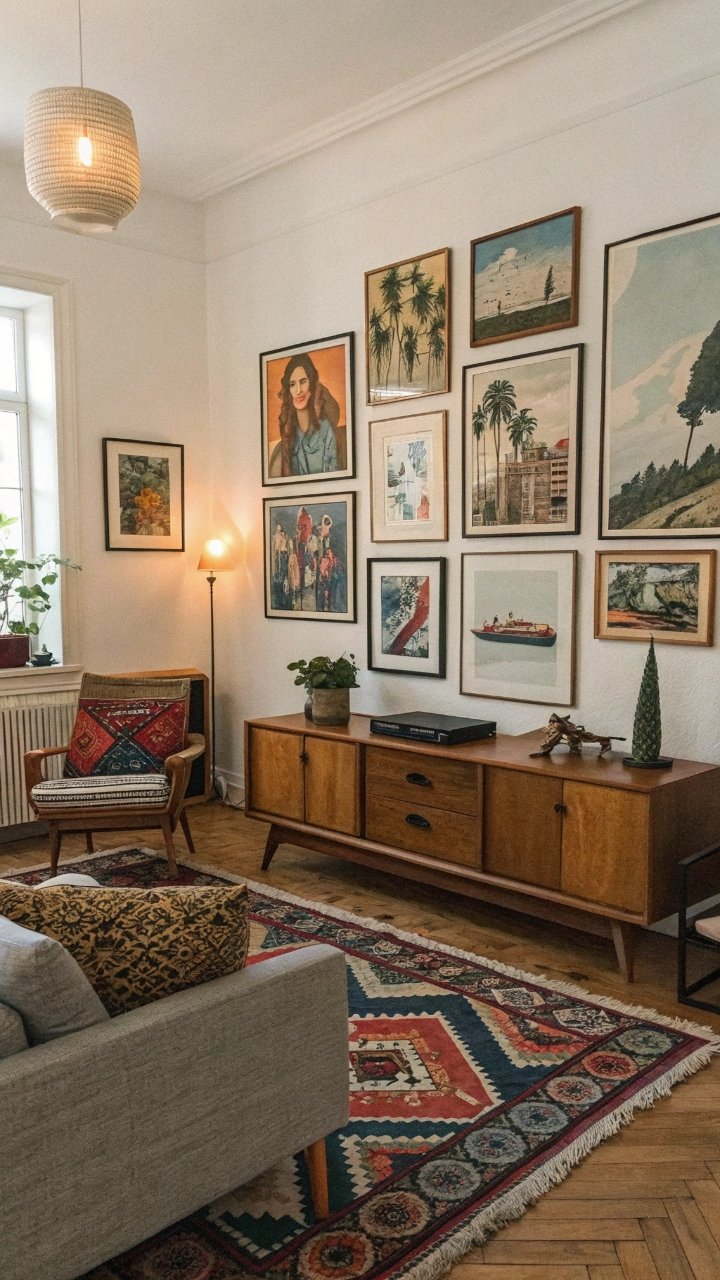
Vintage advertisements from different decades can create a fascinating visual timeline within your home. I love searching flea markets for old travel posters, magazine ads, and promotional artwork. Their colorful graphics and nostalgic typography instantly add personality and history. Mixing pieces from the 1920s through the 1970s creates an eclectic collection that feels thoughtfully assembled. The variety keeps the display visually engaging.
Pro Tip: Use matching frames to unify artwork from different eras.
6. Decorate with Rotary Phones and Classic Electronics
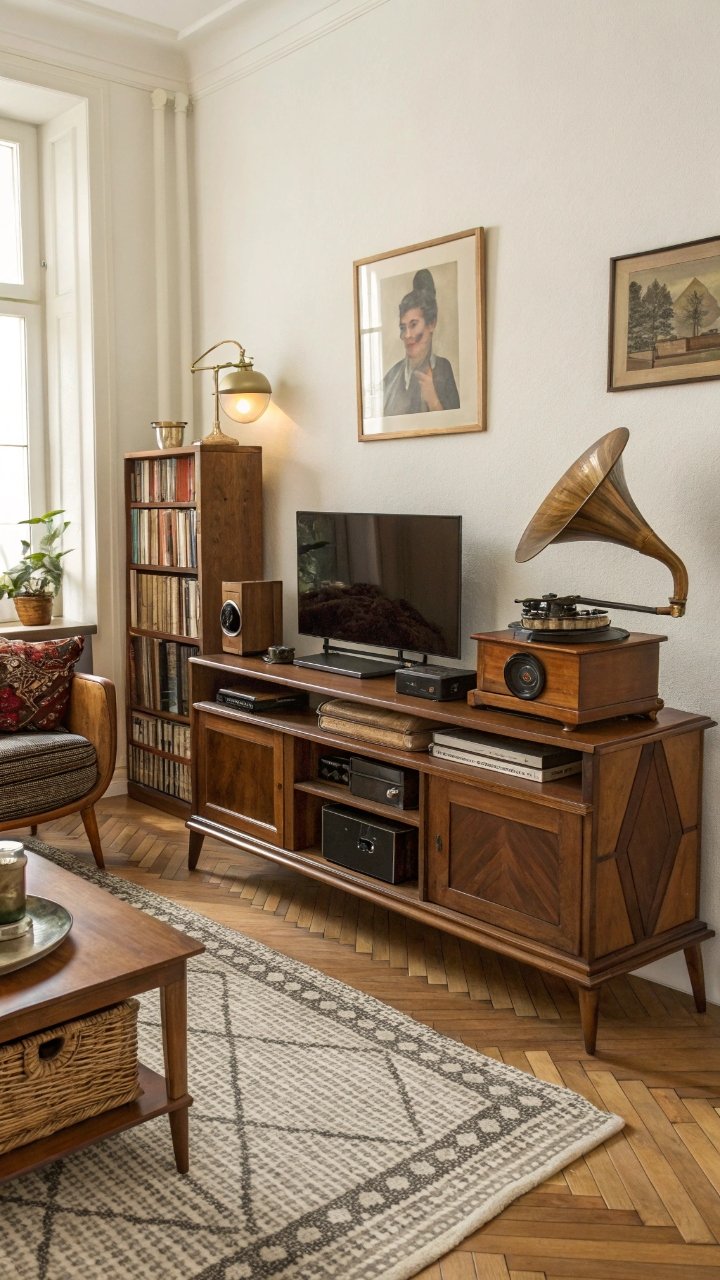
Vintage electronics often function as sculptural decor pieces even when they are no longer in use. Rotary phones, tabletop radios, and old record players introduce authentic nostalgia into a room. These pieces capture the design trends of their era while adding unique visual appeal. I always find guests drawn to these items because they spark memories and conversations. Their presence immediately gives a room more personality.
Pro Tip: Display vintage electronics on shelves where they can be appreciated as decorative objects.
7. Blend Art Deco Bar Carts with 1960s Accessories
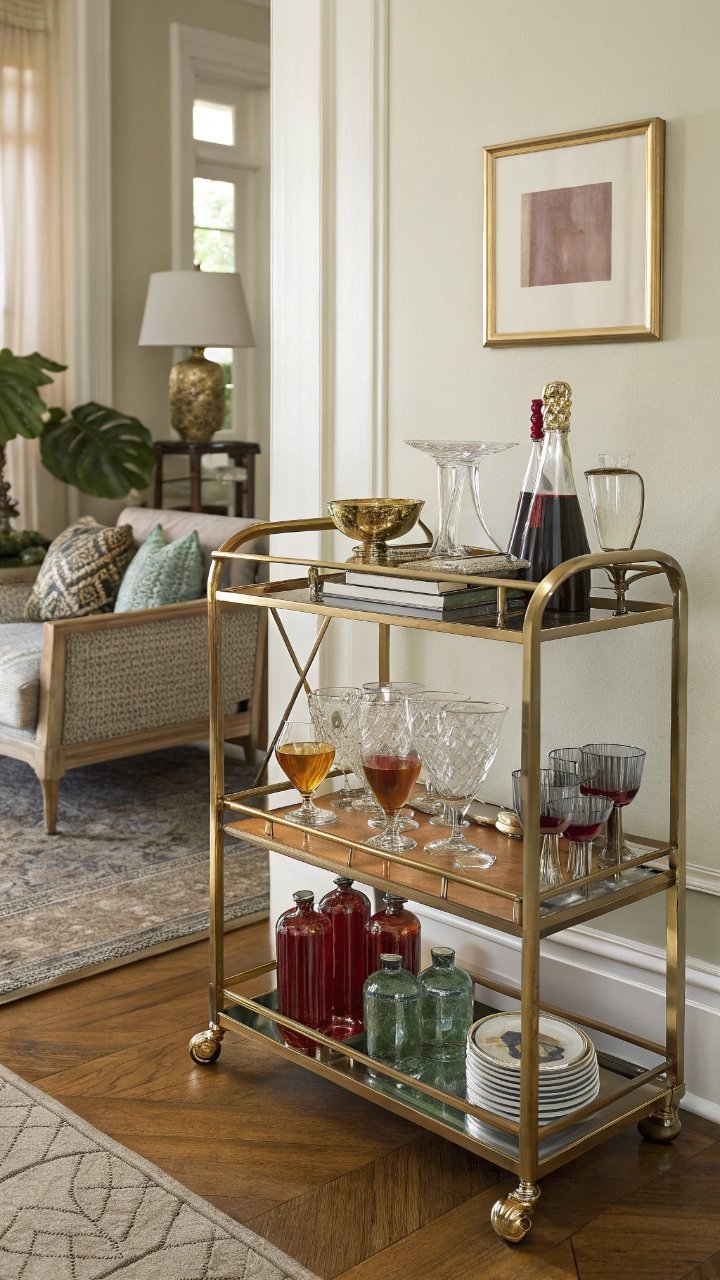
An Art Deco bar cart paired with colorful 1960s glassware creates a stylish entertaining setup that feels timeless. The elegant metallic finishes of the cart contrast beautifully with the playful shapes and colors popular during the 1960s. The combination feels glamorous without becoming overly formal. This look works especially well in living rooms and dining spaces. It is one of those combinations that simply looks cool no matter the decade.
Pro Tip: Include vintage cocktail books to enhance the nostalgic appeal.
8. Layer Vintage Rugs from Different Decades
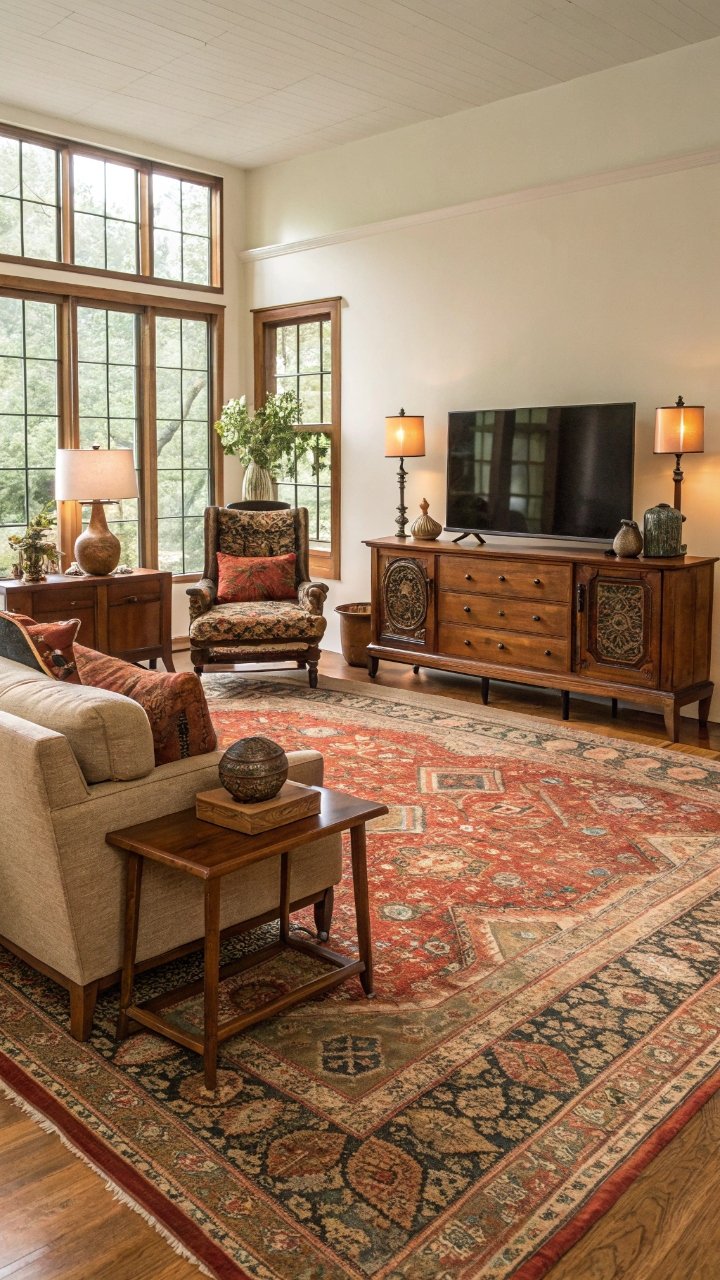
Vintage rugs bring warmth and texture while helping connect furniture from various eras. I love layering a faded Persian-style rug beneath a brighter 1970s accent rug for added dimension. The mix of patterns and textures creates a collected look that feels rich and inviting. Layering also helps define seating areas and adds comfort underfoot. The result feels effortlessly curated.
Pro Tip: Stick to a complementary color palette when layering multiple rugs.
9. Showcase Mid-Century Record Players
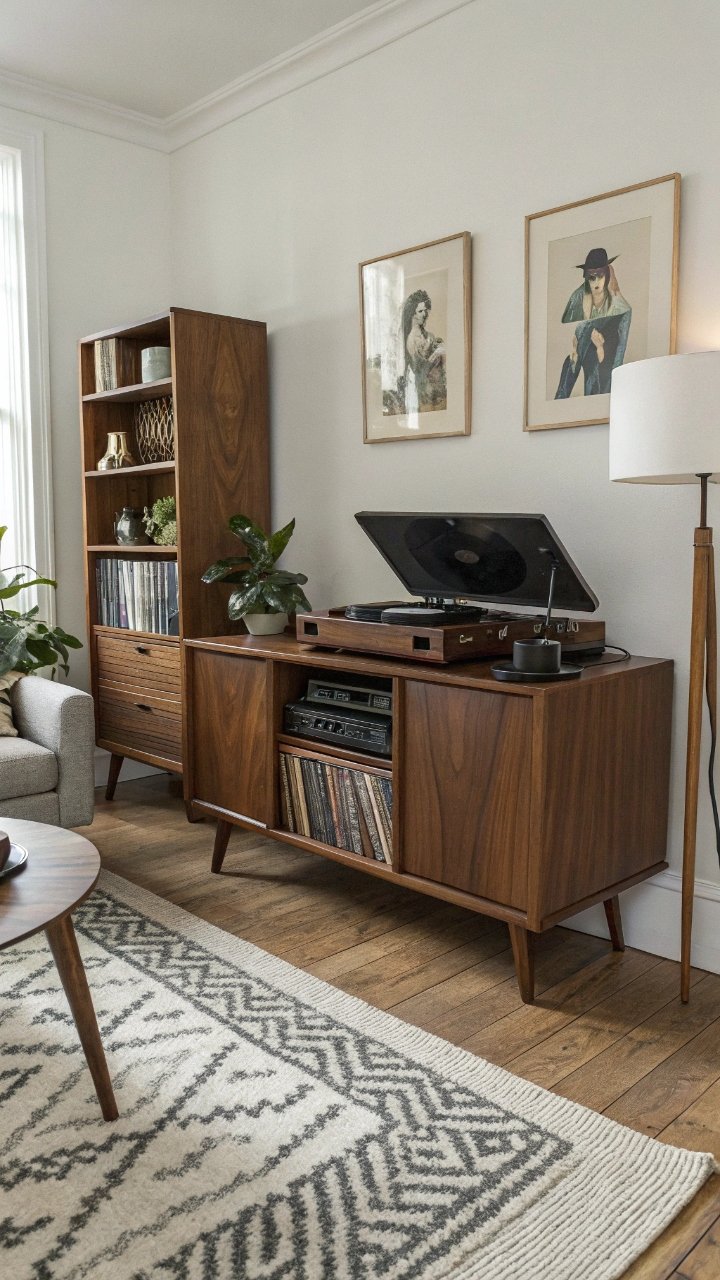
Nothing captures vintage style quite like a beautiful mid-century record player. These pieces combine functionality with stunning craftsmanship and instantly become conversation starters. Their sleek wood cabinetry blends easily with decor from almost any decade. Even when not playing music, they contribute warmth and character to a room. Their timeless design continues to feel relevant today.
Pro Tip: Display a small collection of vintage records nearby for added charm.
10. Incorporate Vintage Brass Accents
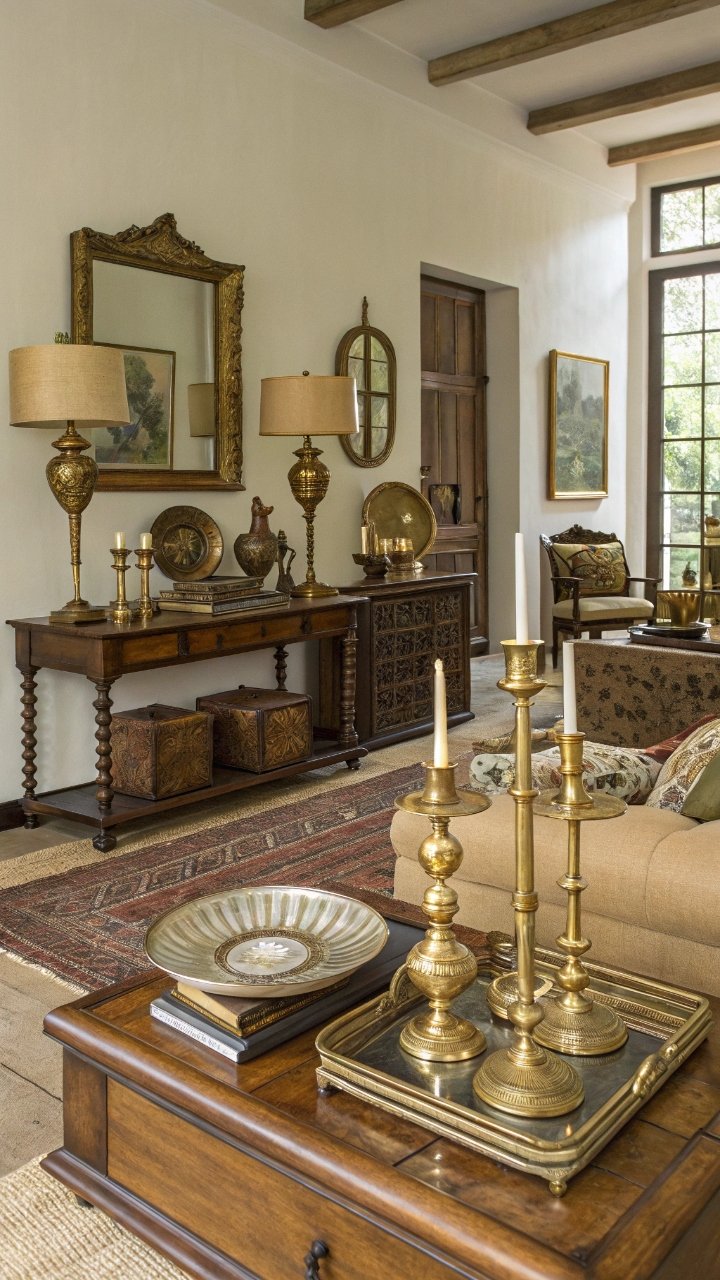
Brass decor appeared throughout multiple decades, making it an easy way to connect various vintage styles. From candlesticks and trays to lamps and mirrors, brass introduces warmth and elegance. Its subtle shine reflects light beautifully while adding a touch of sophistication. I often use brass pieces to bridge the gap between different furniture styles. The result feels cohesive rather than disconnected.
Pro Tip: Mix polished and aged brass finishes for a collected appearance.
11. Use Retro Kitchen Canisters as Decor
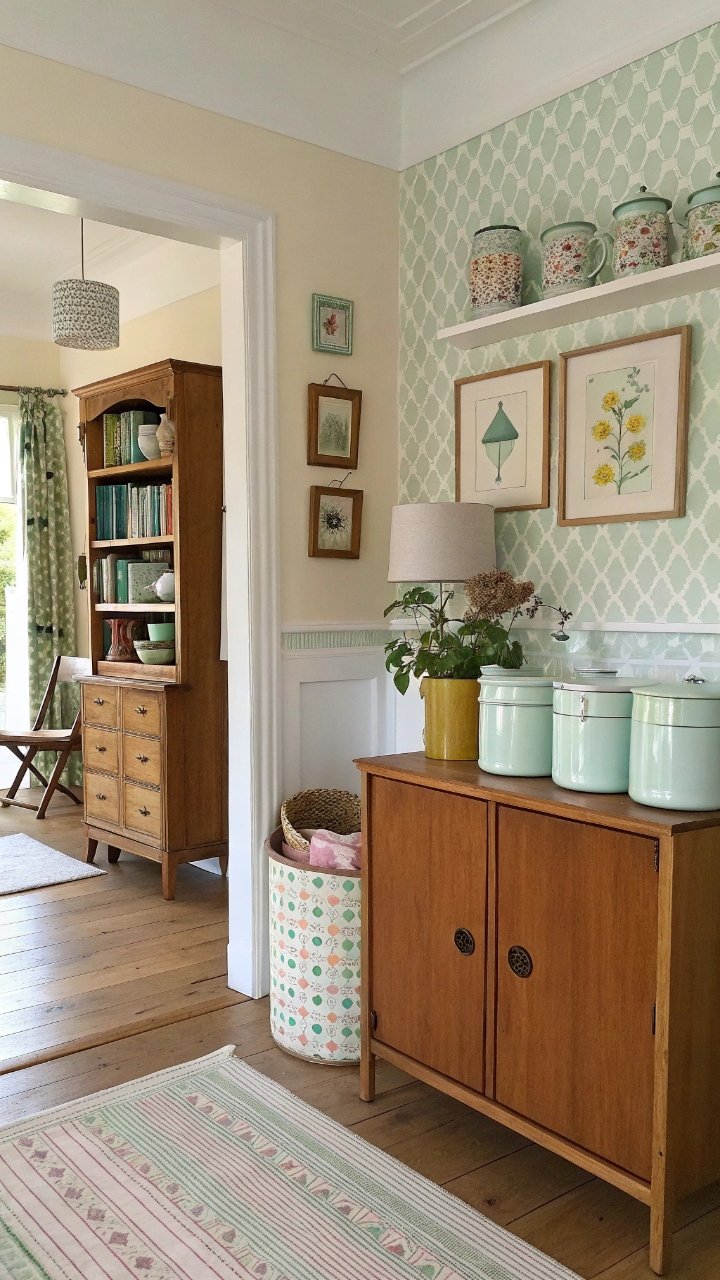
Vintage kitchen canisters from the 1950s and 1960s can be displayed throughout the home, not just in the kitchen. Their cheerful colors and charming graphics add playful personality to shelves and cabinets. These small decorative accents make spaces feel authentic and lived-in. They are also surprisingly easy to find at antique markets and estate sales.
Pro Tip: Group canisters in odd numbers for a balanced display.
12. Decorate with Vintage Clocks
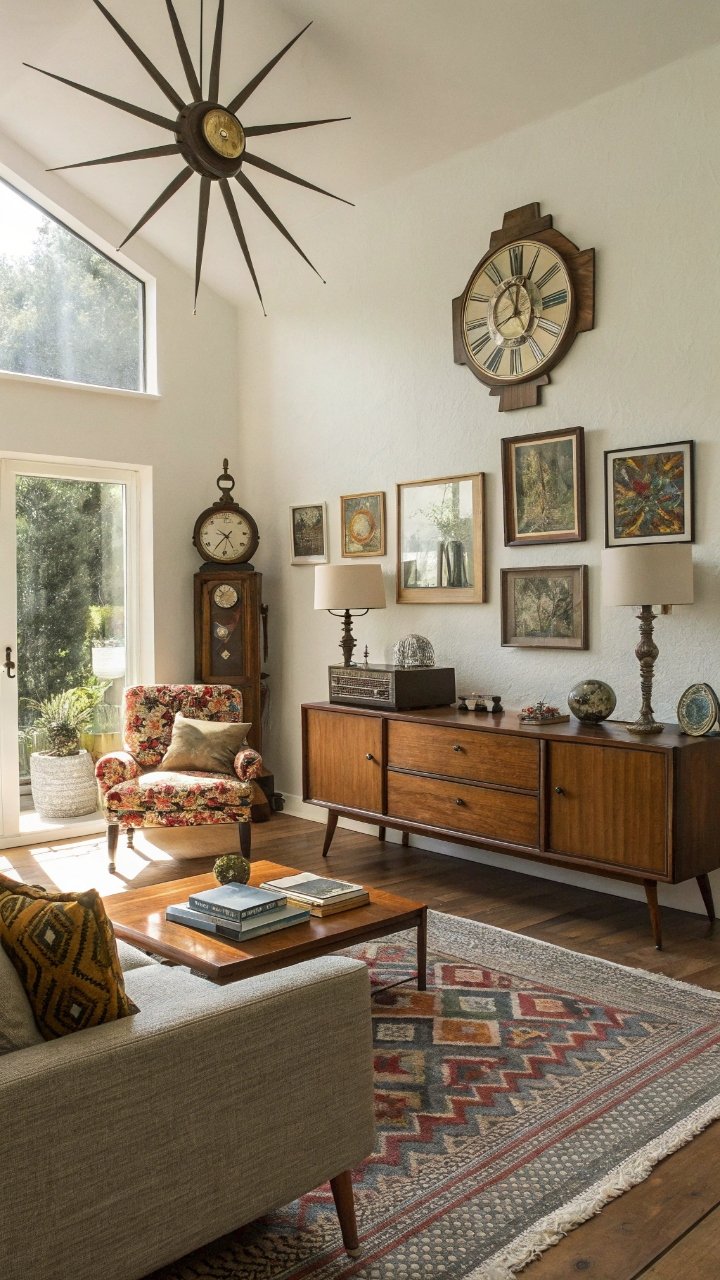
Wall clocks from different decades offer both functionality and decorative appeal. Sunburst clocks from the 1950s, Art Deco styles from the 1930s, and colorful retro designs from the 1970s all bring distinctive character. A well-placed vintage clock serves as both artwork and a practical feature. The variety of styles makes it easy to find one that complements your decor.
Pro Tip: Position vintage clocks where they can act as statement pieces.
13. Add a Statement Velvet Sofa
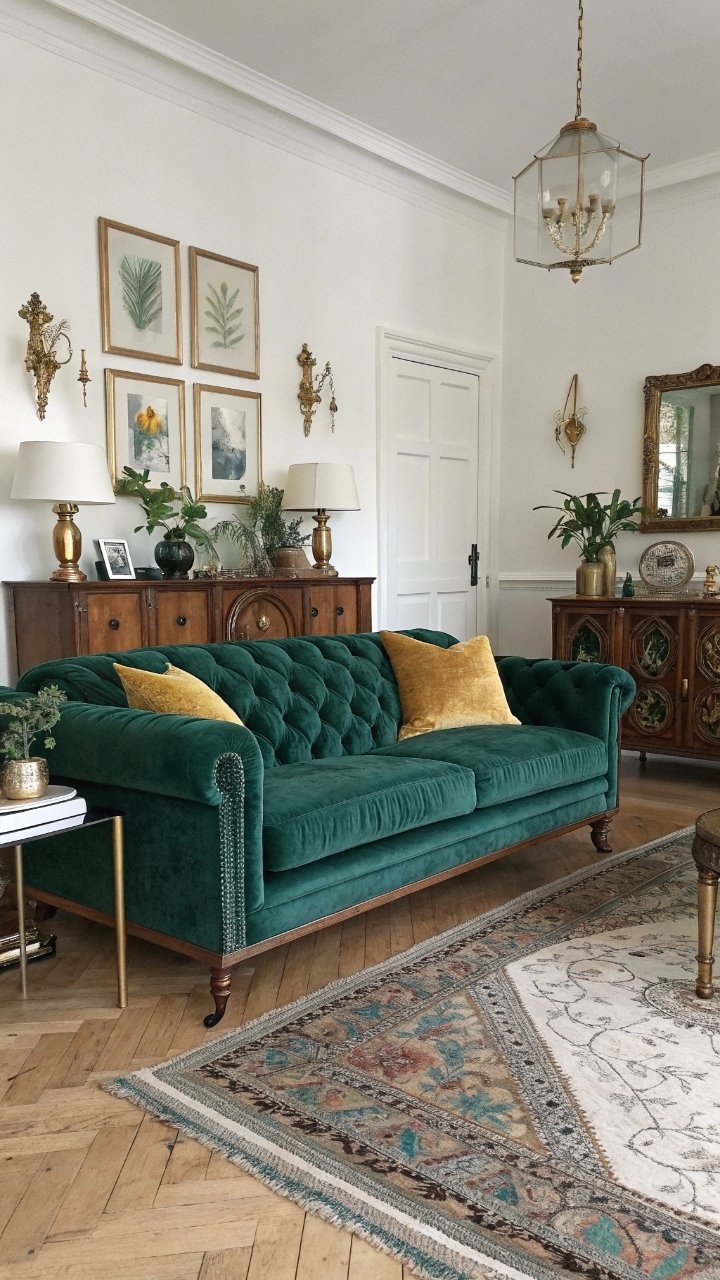
Velvet furniture appeared across multiple decades and remains one of the easiest ways to introduce vintage luxury. Whether inspired by the elegance of the 1930s or the bold colors of the 1970s, a velvet sofa instantly elevates a room. The rich texture adds warmth, comfort, and visual depth. It creates an inviting atmosphere while making a strong design statement.
Pro Tip: Choose jewel tones like emerald, navy, or mustard for maximum vintage appeal.
14. Display Vintage Books Throughout the Home
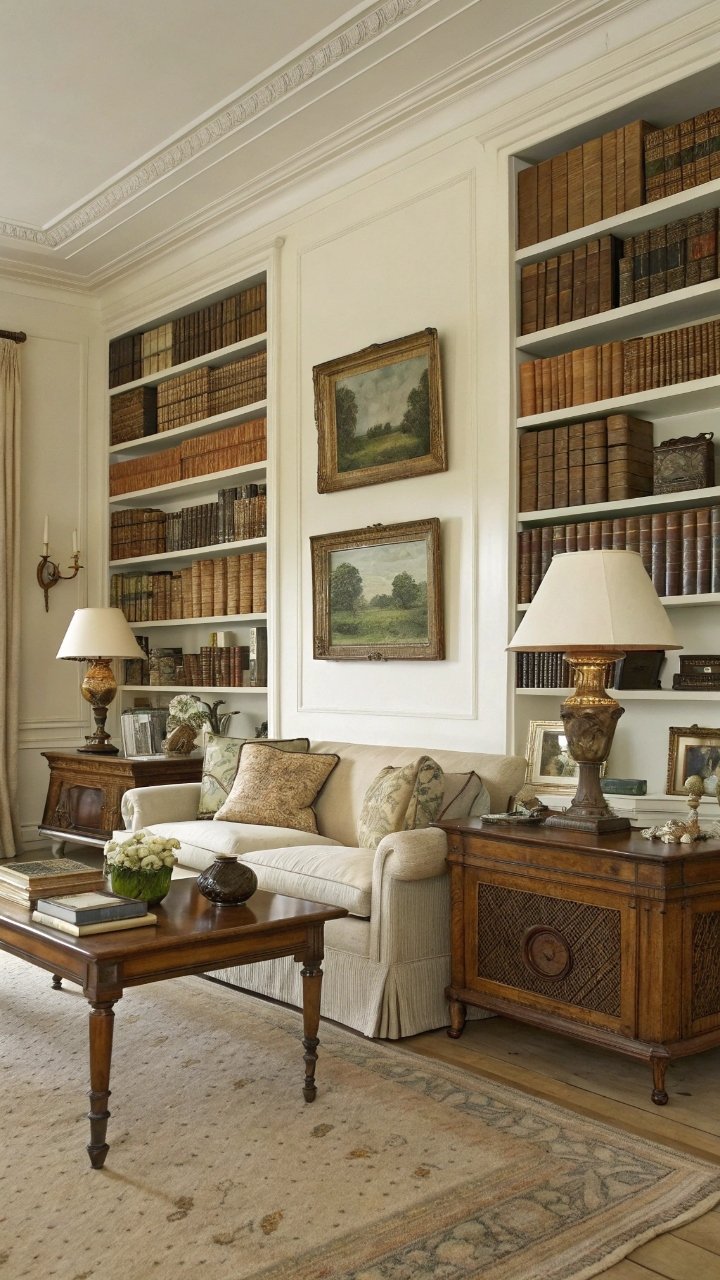
Vintage books offer beauty beyond their content. Their aged pages, decorative covers, and worn spines add warmth and authenticity to shelves and tables. Books collected from different decades help create a layered and intellectual atmosphere. I often stack them beneath lamps or use them to elevate smaller decorative objects. They make any room feel more personal.
Pro Tip: Arrange books by color for a visually cohesive display.
15. Mix Furniture from Multiple Decades
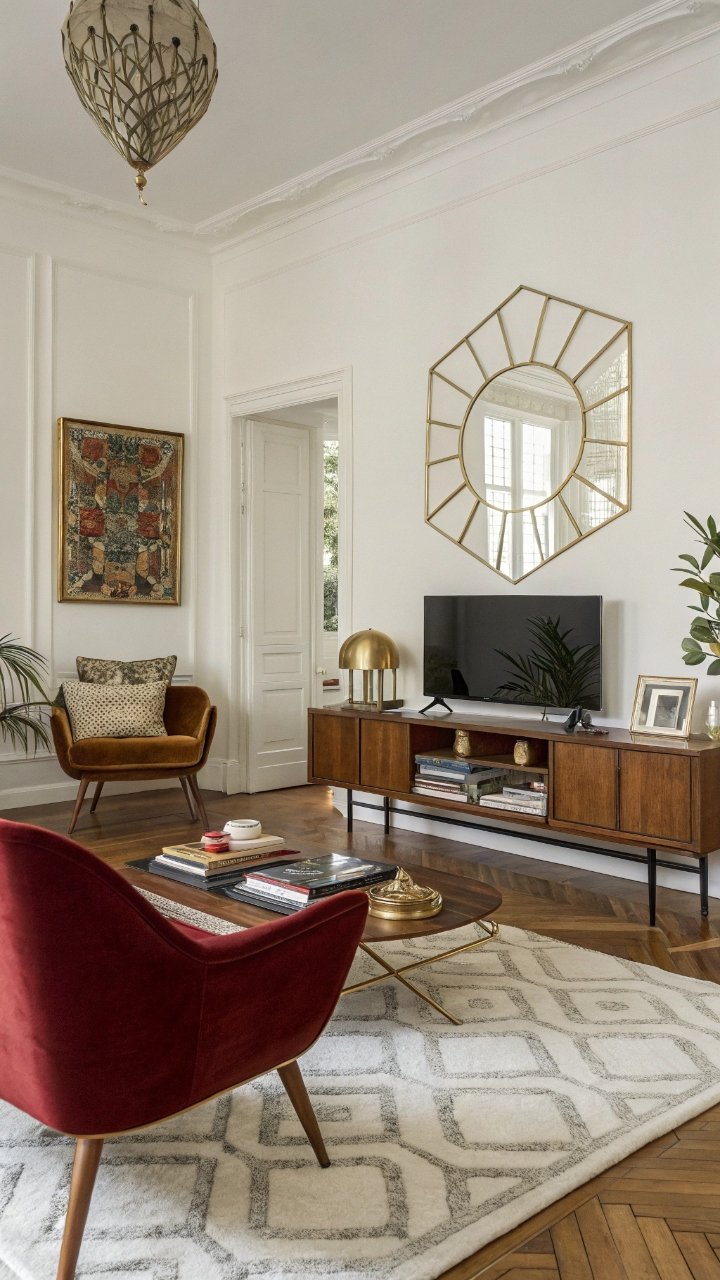
The most successful vintage interiors rarely focus on a single decade. Instead, they thoughtfully combine pieces from different eras to create a home that feels collected over time. An Art Deco mirror, a mid-century coffee table, and a 1970s accent chair can coexist beautifully when united by color and texture. Mixing decades adds depth, authenticity, and individuality that cannot be replicated with matching furniture sets. The result feels personal, interesting, and entirely your own. After all, isn’t that what great decorating is really about?
Pro Tip: Use a consistent color palette to help furniture from different decades feel connected.
Conclusion
Decorating with vintage pieces from the 1920s through the 1970s allows you to create a home filled with character, history, and personality. Each decade contributes its own unique design elements, from the glamour of Art Deco styling to the bold creativity of the 1970s. When combined thoughtfully, these pieces create interiors that feel rich, layered, and genuinely one of a kind. The beauty of vintage decorating is that there are no strict rules, only opportunities to tell your story through carefully chosen furnishings and accessories. Every item adds another chapter to the home’s overall narrative.
The most memorable homes often feel collected rather than perfectly coordinated, and vintage decor naturally creates that effect. By mixing furniture, lighting, textiles, and accessories from different eras, you can design rooms that feel timeless instead of trendy. Whether you start with a single vintage treasure or an entire collection, embracing multiple decades allows your personality to shine through every corner of your space. A thoughtfully layered vintage home doesn’t just look beautiful—it feels welcoming, meaningful, and filled with stories waiting to be shared.