15 DIY Chicken Pen Ideas That Are Easy to Build
The easiest chicken pen I ever helped build was nothing fancy—just a simple frame, sturdy wire, and enough space to keep the chickens safe and comfortable. It was quick to put together, easy to maintain, and worked better than expected. That is exactly what makes a simple DIY chicken pen so satisfying. It does not need to be complicated to work well.
What I love most about building a chicken pen is how easy it can be to keep the design practical. A few basic materials, a smart layout, and enough room for the flock can go a long way. The best pens are not the most expensive ones. They are the ones that feel secure, easy to clean, and simple enough to build without turning into a huge project. And honestly, that kind of easy setup is hard not to love.
Now, I always think the best DIY chicken pens are the ones that keep things safe, simple, and easy enough to build in a weekend. A straightforward frame, reliable wire, and one practical feature can make all the difference. Whether you need something small, movable, covered, or budget-friendly, these DIY chicken pen ideas are simple, useful, and easy to build. Let’s get into some practical chicken pen ideas worth trying.
1. Simple Wooden Frame Pen
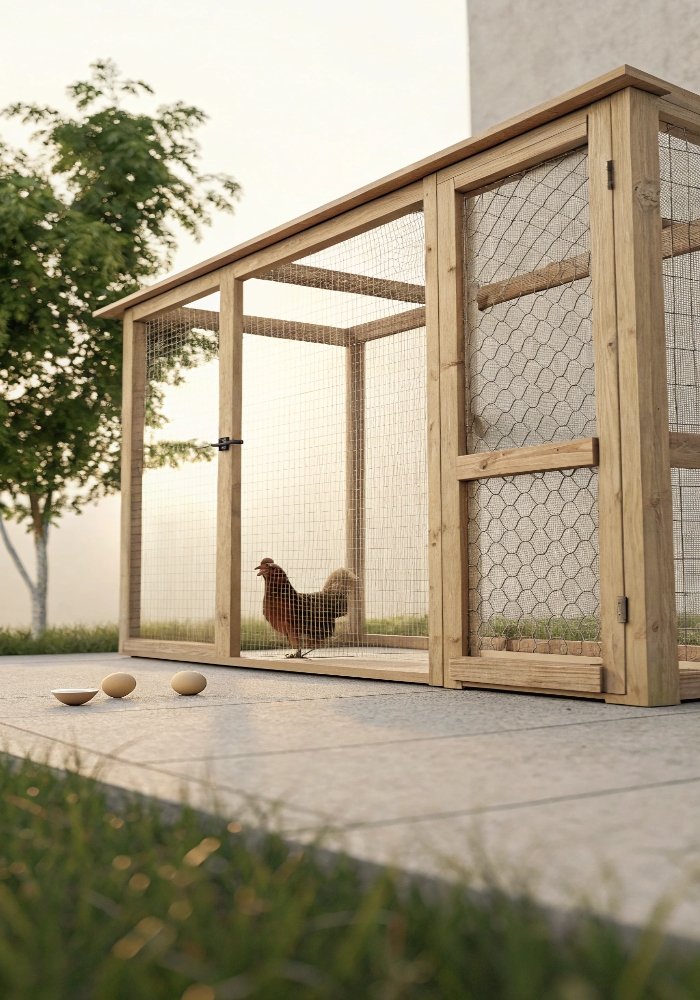
I built a basic wooden frame and wrapped it in wire, and the whole pen instantly felt sturdy and easy to put together. The design stays simple while still giving the chickens plenty of safe outdoor space. It feels practical, secure, and beginner-friendly. The whole build comes together quickly because of it. Could a basic wood frame get any easier? Pro Tip: Use treated wood for longer outdoor life.
2. PVC Chicken Pen
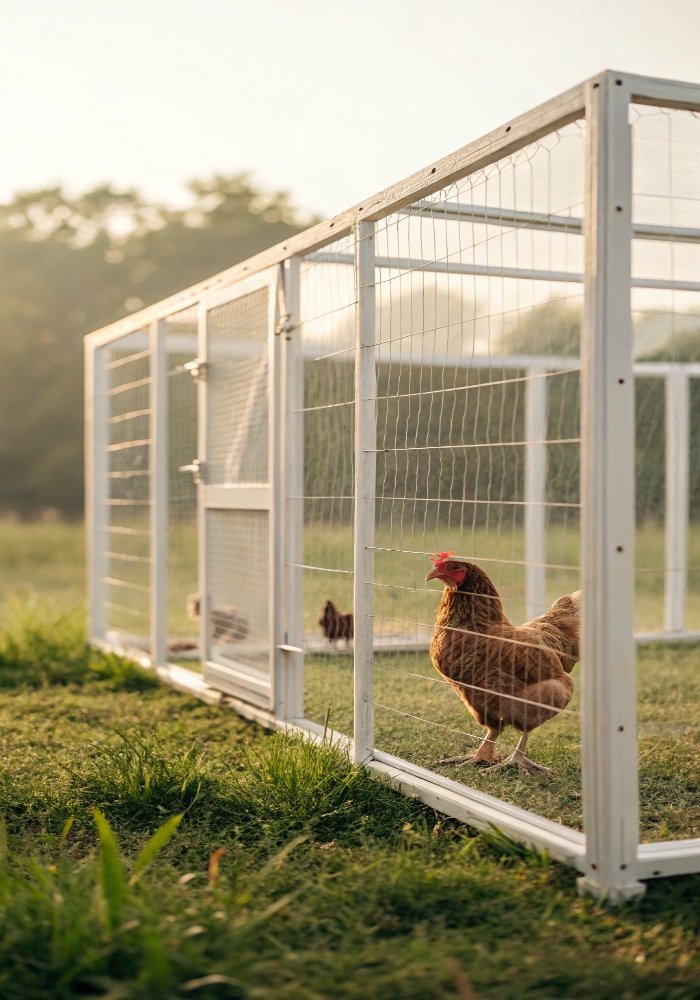
I used PVC pipes for the frame, and the whole pen instantly became lighter and easier to build. The PVC keeps the structure simple while making the whole setup affordable and easy to move if needed. It feels lightweight, practical, and surprisingly sturdy. The whole pen stays flexible because of it. Isn’t PVC such an easy material to work with? Pro Tip: Secure joints tightly for better stability.
3. A-Frame Chicken Pen
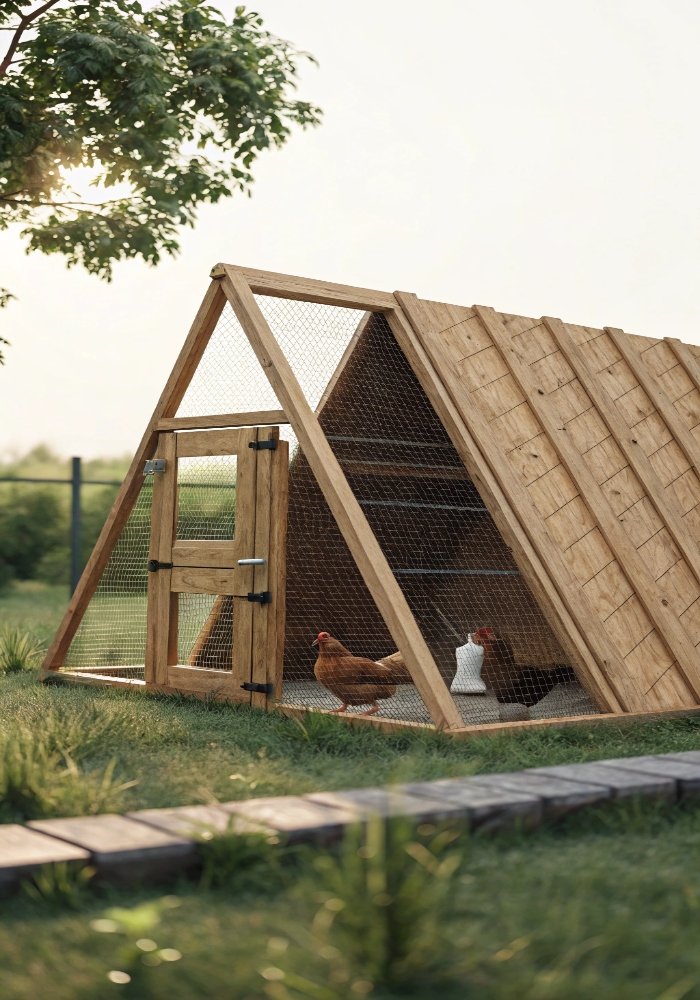
I kept the shape simple with an A-frame build, and the whole pen instantly felt easier to assemble. The angled frame uses fewer materials while still giving the chickens enough safe space to roam. It feels compact, practical, and efficient. The whole build stays simple because of it. Isn’t A-frame always such a smart shortcut? Pro Tip: Add a hinged panel for easier access.
4. Chicken Tractor Pen
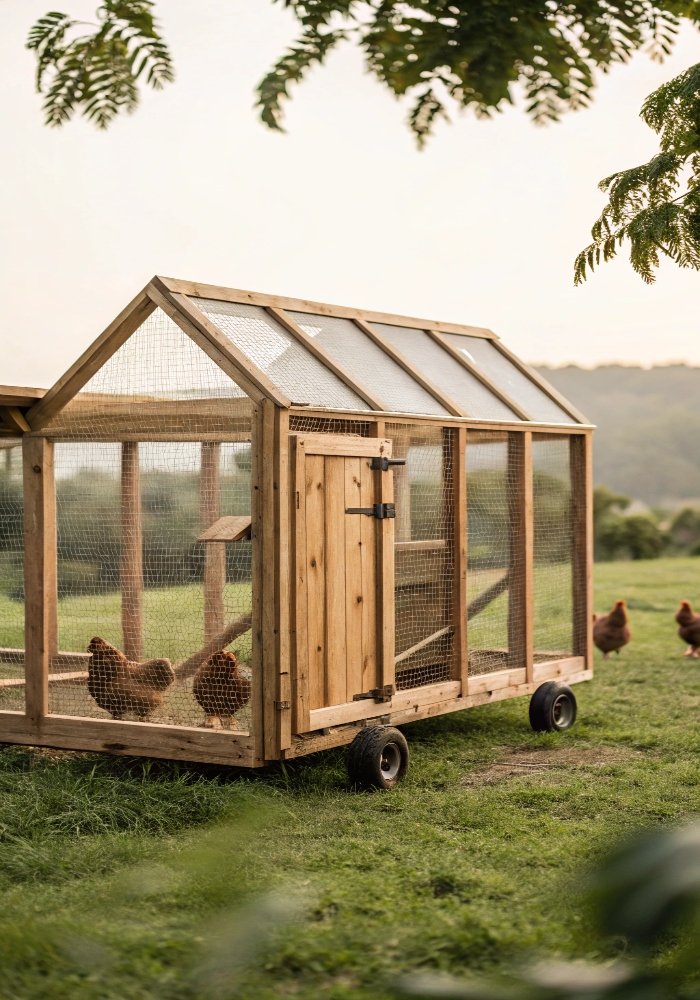
I built the pen with wheels, and the whole setup instantly felt more flexible and useful. The movable design lets the chickens graze safely while making the pen easier to relocate around the yard. It feels practical, mobile, and easy to manage. The whole setup works harder because of it. Why keep it still if it can move? Pro Tip: Keep the frame light enough to pull easily.
5. Covered Wire Chicken Pen
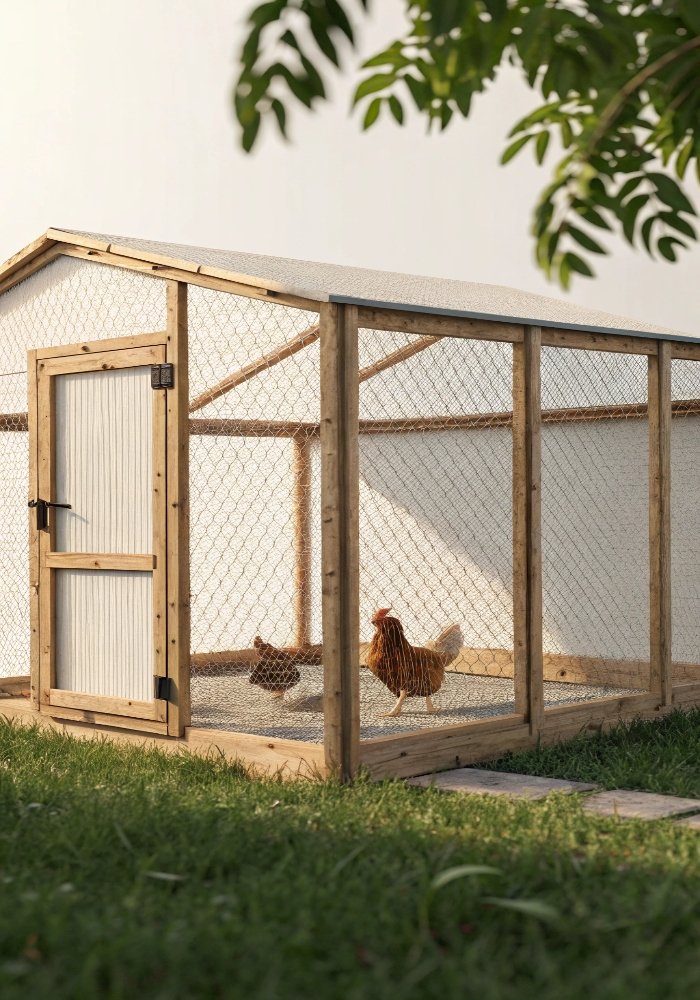
I added a wire top, and the whole pen instantly felt safer and more secure. The covered design helps protect the chickens from predators while still keeping the setup simple and easy to build. It feels safe, practical, and worth the extra step. The whole pen feels more secure because of it. Isn’t overhead protection always worth adding? Pro Tip: Use strong mesh on top, not just netting.
6. Pallet Chicken Pen
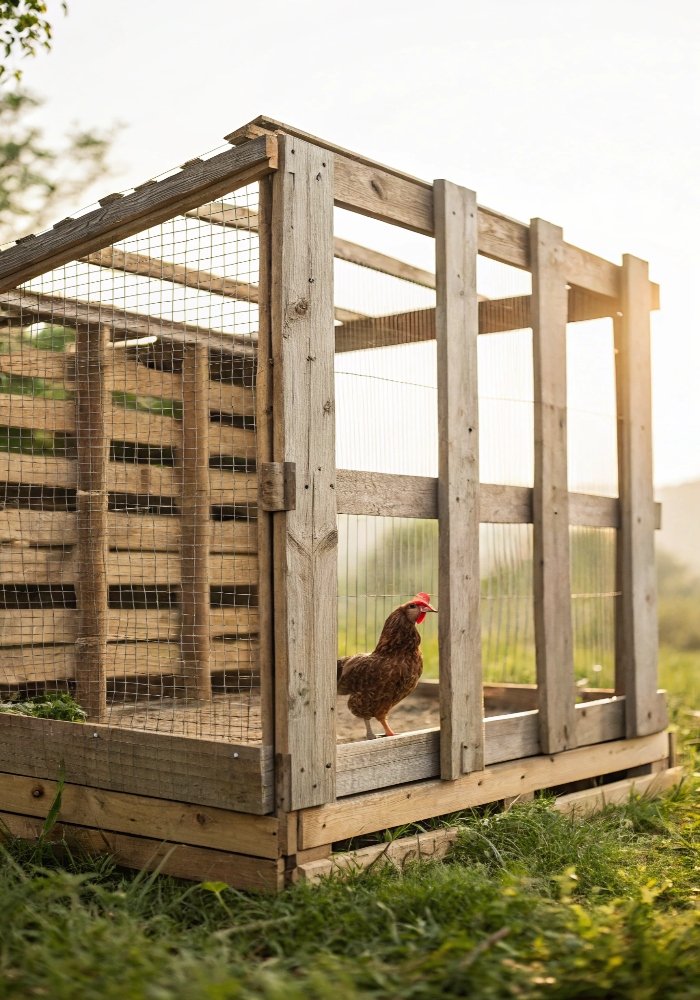
I used old pallets for the frame, and the whole pen instantly became cheaper and easier to build. The pallets create quick structure while keeping the project simple and budget-friendly. It feels sturdy, practical, and smart for a DIY setup. The whole build saves time because of it. Could pallets be any more useful? Pro Tip: Sand rough edges before assembly.
7. Small Backyard Chicken Pen
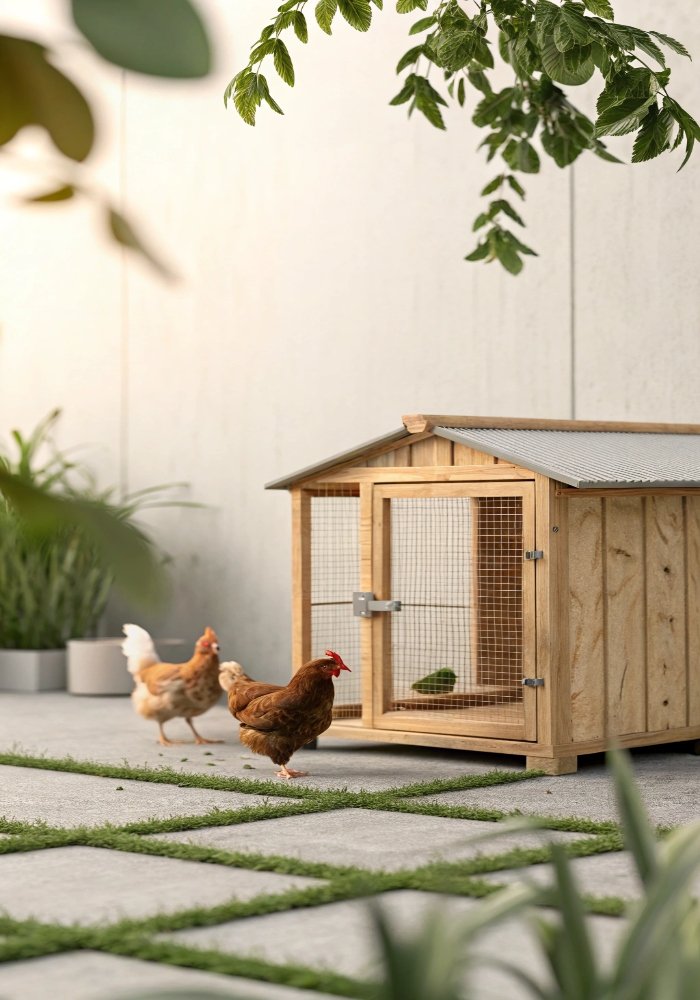
I kept the footprint small, and the whole pen instantly felt easier to manage and quicker to build. The compact layout works well for a small flock while keeping material costs lower and cleaning easier. It feels simple, efficient, and perfect for tighter spaces. The whole setup feels more manageable because of it. Isn’t smaller sometimes just easier? Pro Tip: Build upward for extra usable space.
8. Walk-In Chicken Pen
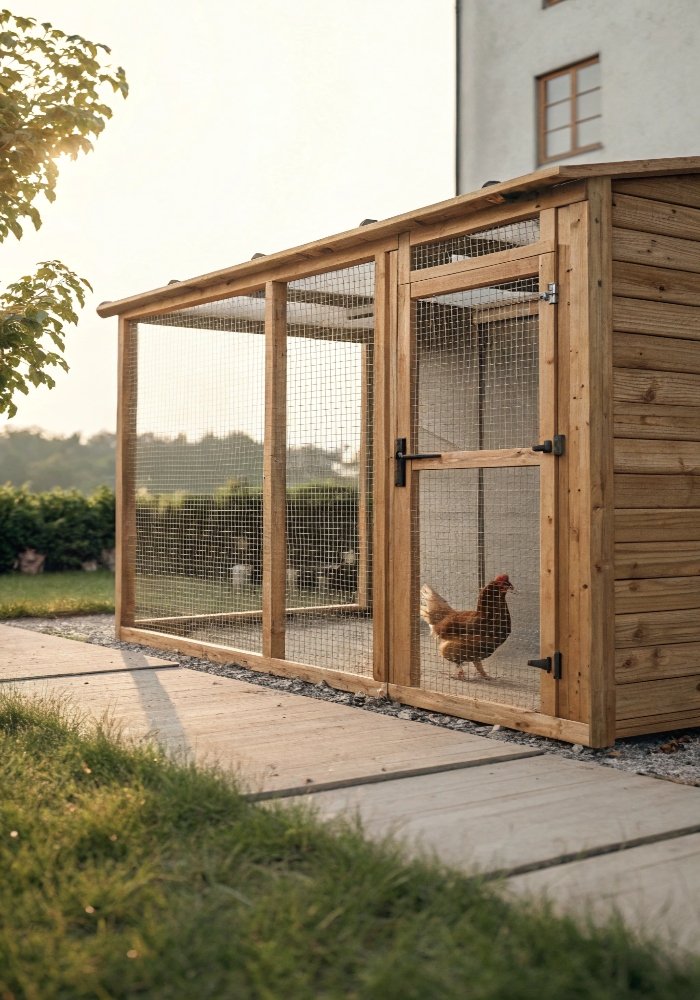
I made the pen tall enough to walk into, and the whole setup instantly felt easier to clean and maintain. The extra height makes feeding, cleaning, and collecting eggs much simpler without changing the basic design too much. It feels practical, comfortable, and worth the added height. The whole setup works better because of it. Isn’t standing room always worth it? Pro Tip: Keep the footprint narrow to save materials.
9. Hoop Style Chicken Pen
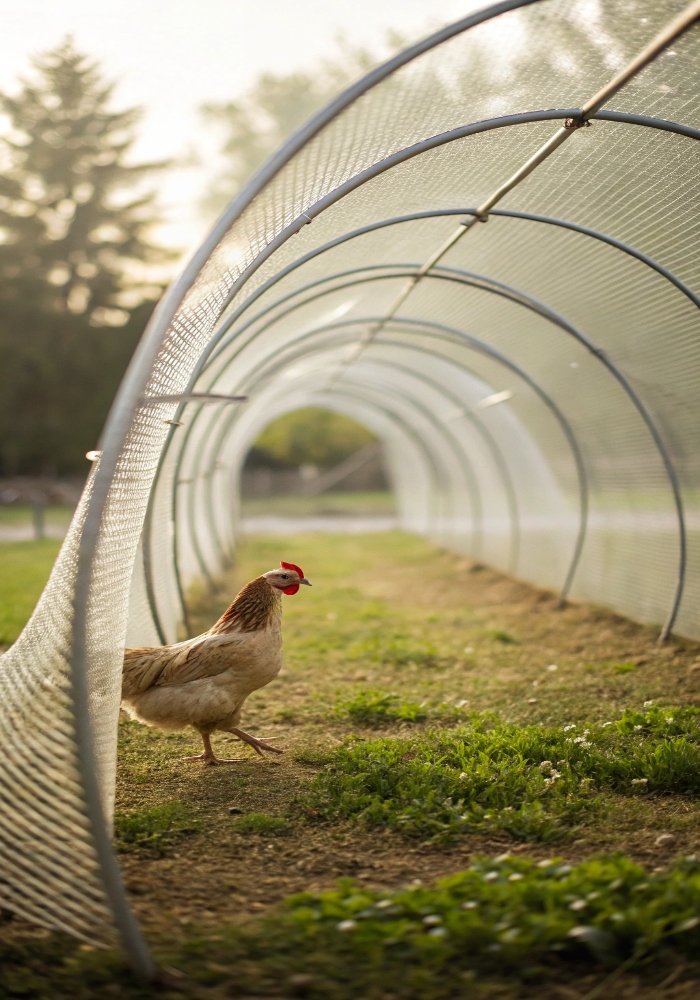
I bent simple piping into hoops, and the whole pen instantly felt lighter and quicker to build. The curved shape uses fewer materials while still creating a roomy covered pen for the chickens. It feels lightweight, simple, and surprisingly efficient. The whole structure goes up faster because of it. Could this shape be any easier? Pro Tip: Anchor the ends well for stability.
10. Fence Panel Chicken Pen
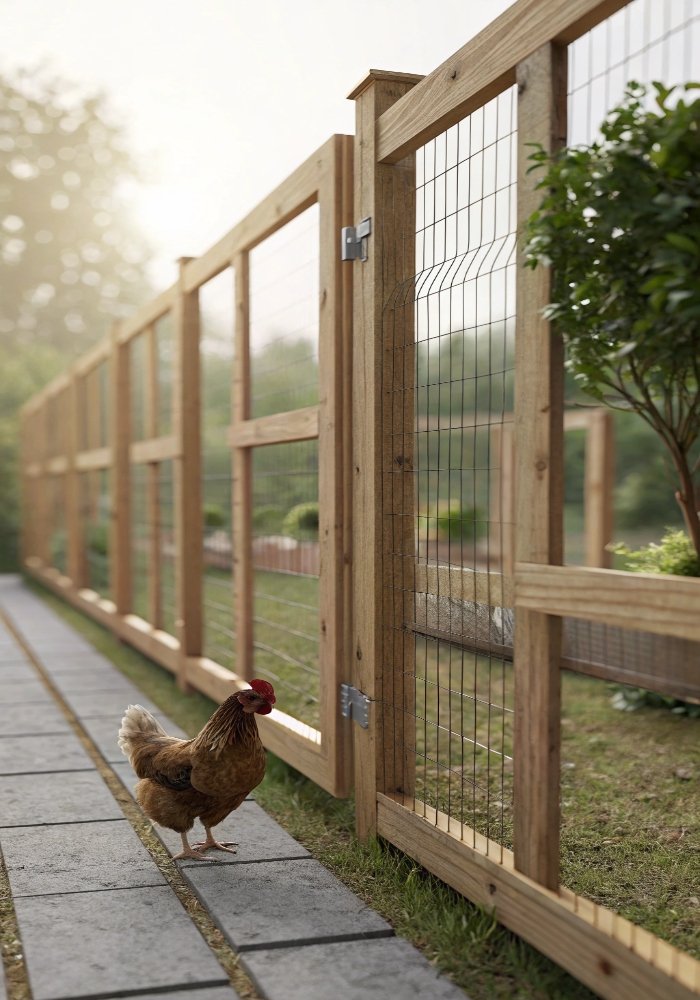
I used ready-made fence panels, and the whole pen instantly came together faster and with less work. The panels create structure right away and cut down on framing time. It feels sturdy, simple, and easy to assemble. The whole build moves quicker because of it. Why build every section from scratch? Pro Tip: Reinforce corners for better strength.
11. Lean-To Chicken Pen
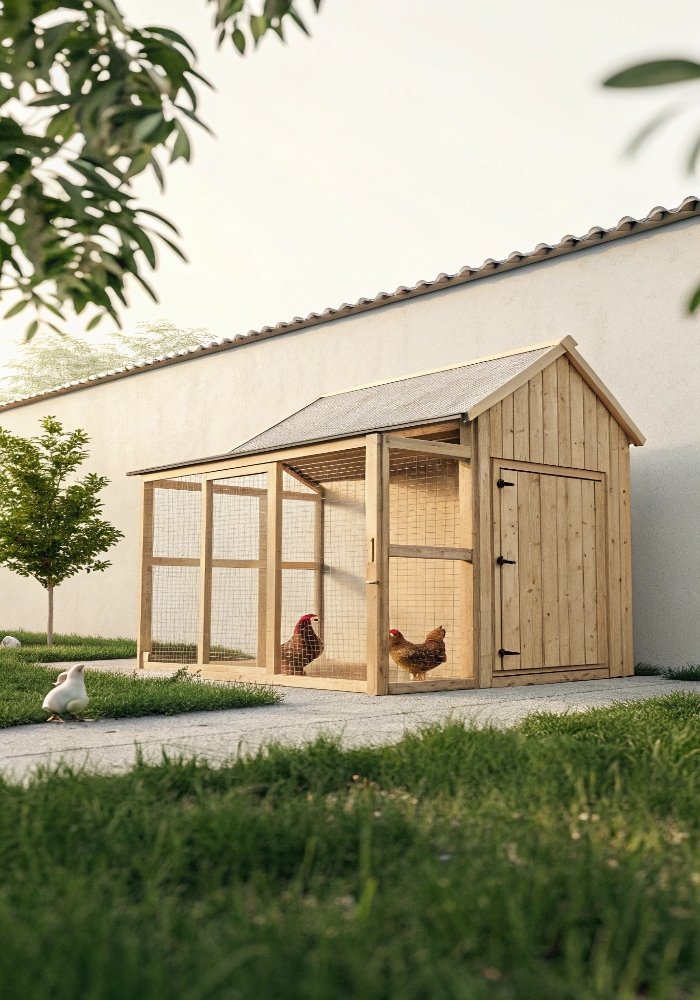
I built the pen against an existing wall, and the whole project instantly became easier and cheaper. One wall was already done, which saved materials and made the build much faster. It feels efficient, simple, and wonderfully practical. The whole setup saves effort because of it. Why build more than you need? Pro Tip: Make sure the wall stays dry and secure.
12. Recycled Door Chicken Pen
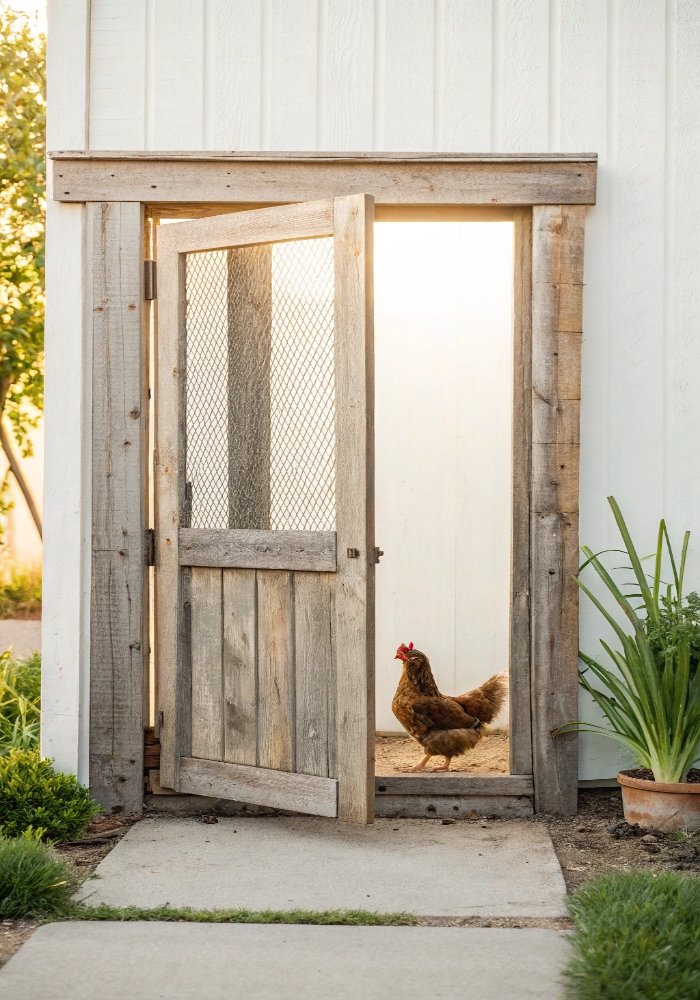
I used an old door for the entrance, and the whole pen instantly became easier to access and cheaper to finish. The door saves time while adding a ready-made opening that feels sturdy and practical. It feels simple, useful, and smart for a DIY build. The whole setup comes together faster because of it. Could an old door be any handier here? Pro Tip: Add strong latches for extra security.
13. Chicken Pen with Shade Roof
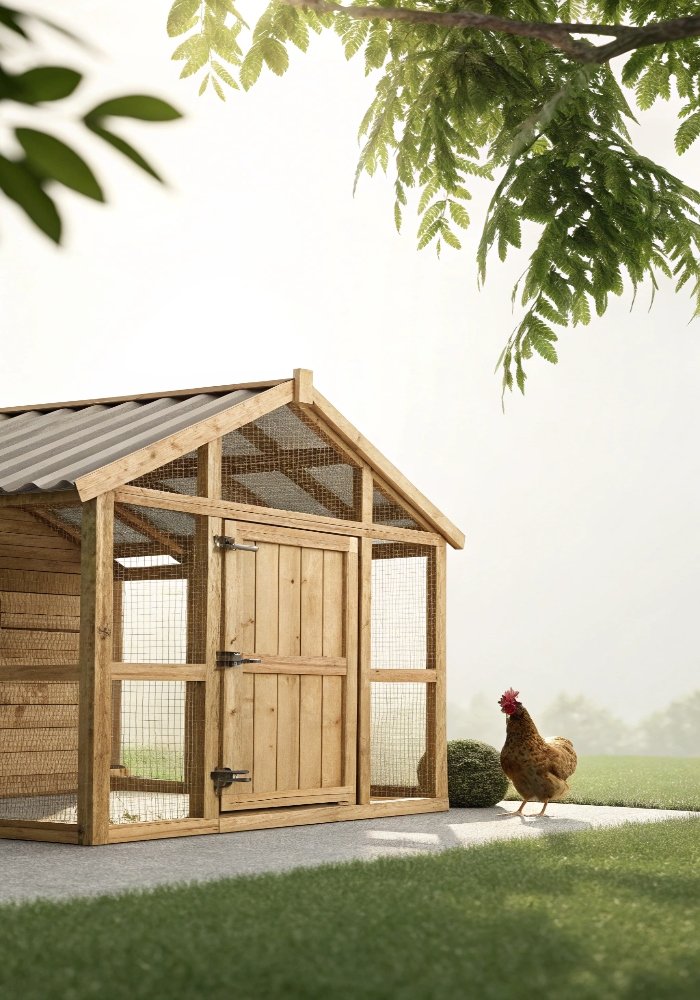
I added a simple shade roof, and the whole pen instantly felt more comfortable and practical for warmer days. The cover keeps the chickens cooler while still being easy to build with basic materials. It feels thoughtful, useful, and worth the extra step. The whole setup works better because of it. Isn’t shade always worth adding? Pro Tip: Use corrugated panels for easy coverage.
14. Budget Mesh Chicken Pen
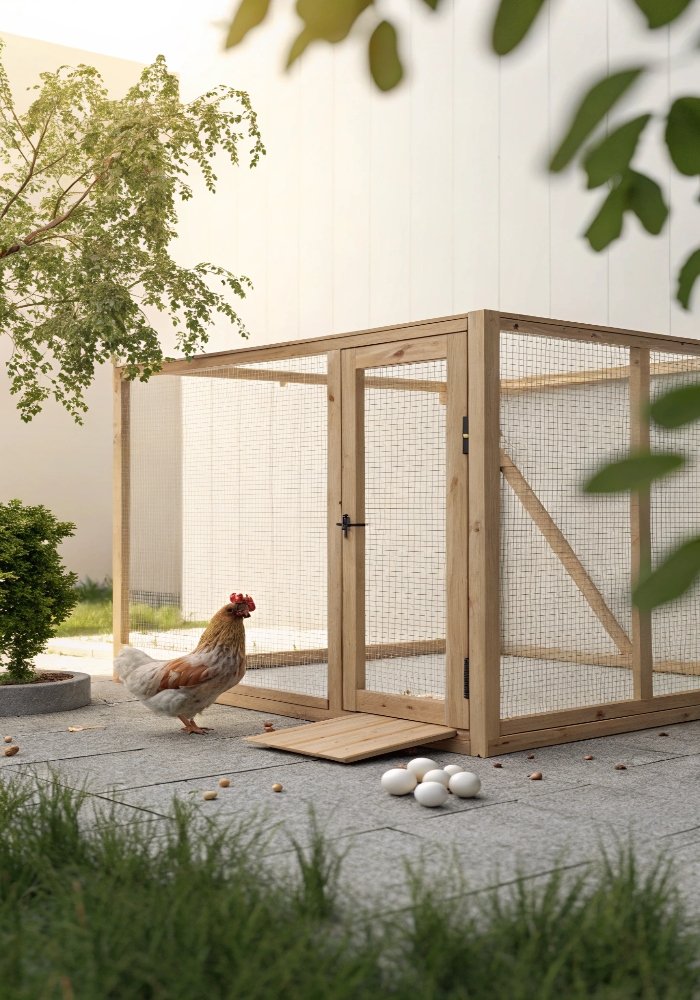
I kept the design simple with mesh and a basic frame, and the whole pen instantly felt affordable and easy to finish. The lightweight materials keep costs lower while still creating a secure outdoor run. It feels simple, practical, and budget-friendly. The whole setup stays easy because of it. Could simple mesh get any more useful? Pro Tip: Bury mesh edges slightly for predator safety.
15. Weekend DIY Chicken Pen
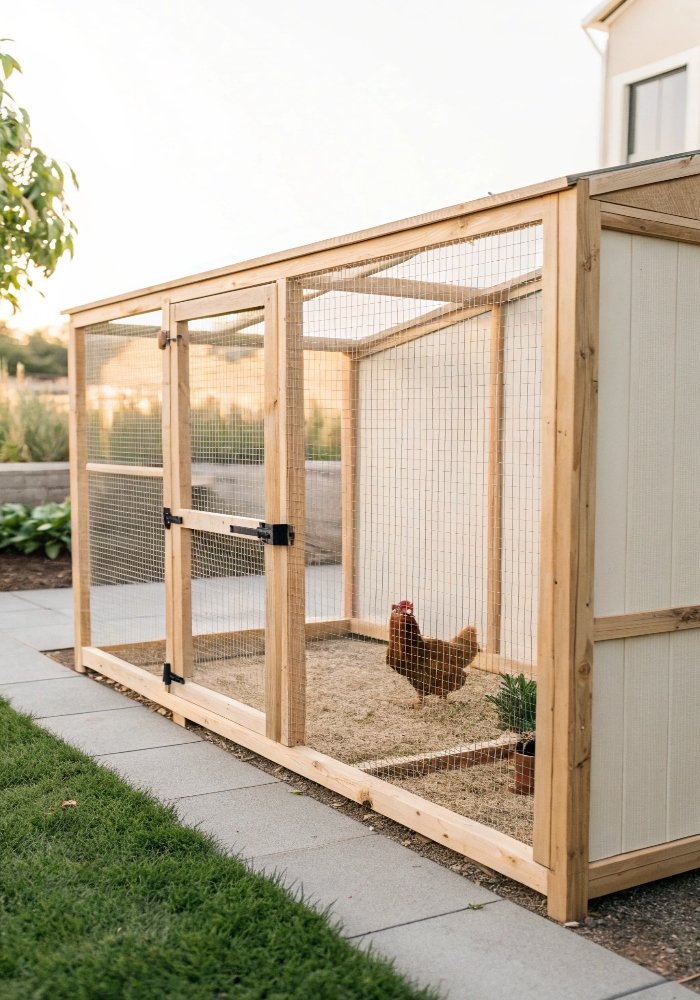
I kept the layout simple enough for a weekend build, and the whole pen instantly felt much easier to start. The straightforward design saves time while still giving the chickens a safe and useful space. It feels practical, beginner-friendly, and easy to finish. The whole project feels more doable because of it. Isn’t a weekend build the best kind? Pro Tip: Pre-cut everything before assembly to save time.
Conclusion
DIY chicken pens do not need to be complicated to be practical, safe, and easy to build. These ideas show how a simple frame, secure wire, and a smart layout can create a pen that works well without becoming a huge project. That balance is what makes these builds so useful. They feel simple, practical, and easy to manage. That is what makes them worth building.
What makes easy DIY chicken pens work so well is how much a simple setup can do with the right layout. A sturdy frame, good wire, and one practical feature often matter more than anything overly complicated. That simple structure does most of the work. It always feels easier to build and easier to use. That is what makes it so effective.
As you plan your chicken pen, focus on safe materials, simple framing, and easy access that keeps the build practical and manageable. A straightforward layout, one smart feature, and secure fencing often do more than anything overbuilt ever could. The best chicken pens always feel practical first. In the end, that is what makes them work so well.