14 Creative Garden Edging Ideas That Save Money
Garden edging was worth the effort, especially when I was trying to keep costs low and just make my yard look decent. But after one rainy afternoon where soil spilled over into the walkway and grass started creeping into my flower beds again, I realized something had to change. I grabbed a few random materials lying around—some old tiles, a couple of bricks, even broken pieces of wood—and started outlining the edges just to see what would happen. The transformation felt immediate, like the space finally had structure instead of just blending into itself. That moment made me see edging less as an extra step and more as a simple upgrade that actually saves time and money in the long run.
As I kept experimenting, I noticed the most creative ideas often came from using things I already had or could get cheaply. It wasn’t about buying the perfect materials—it was about seeing potential in what others might overlook. Mixing textures, playing with shapes, and letting the garden guide the design made the whole process feel less rigid and way more fun. Some edges turned out polished, others a little imperfect, but all of them added character. And honestly, that’s what made the garden feel more alive.
Now, I think of garden edging as one of the smartest ways to refresh a space without overspending. It helps control soil, keeps plants in place, and gives everything a finished look that feels intentional. If your garden has ever felt a bit scattered or undefined, these ideas can help you shape it into something cohesive and visually satisfying. The best part is you don’t need a big budget to make it happen. Let’s get into some creative edging ideas that look great and save money at the same time.
1. Broken Tile Mosaic Edging
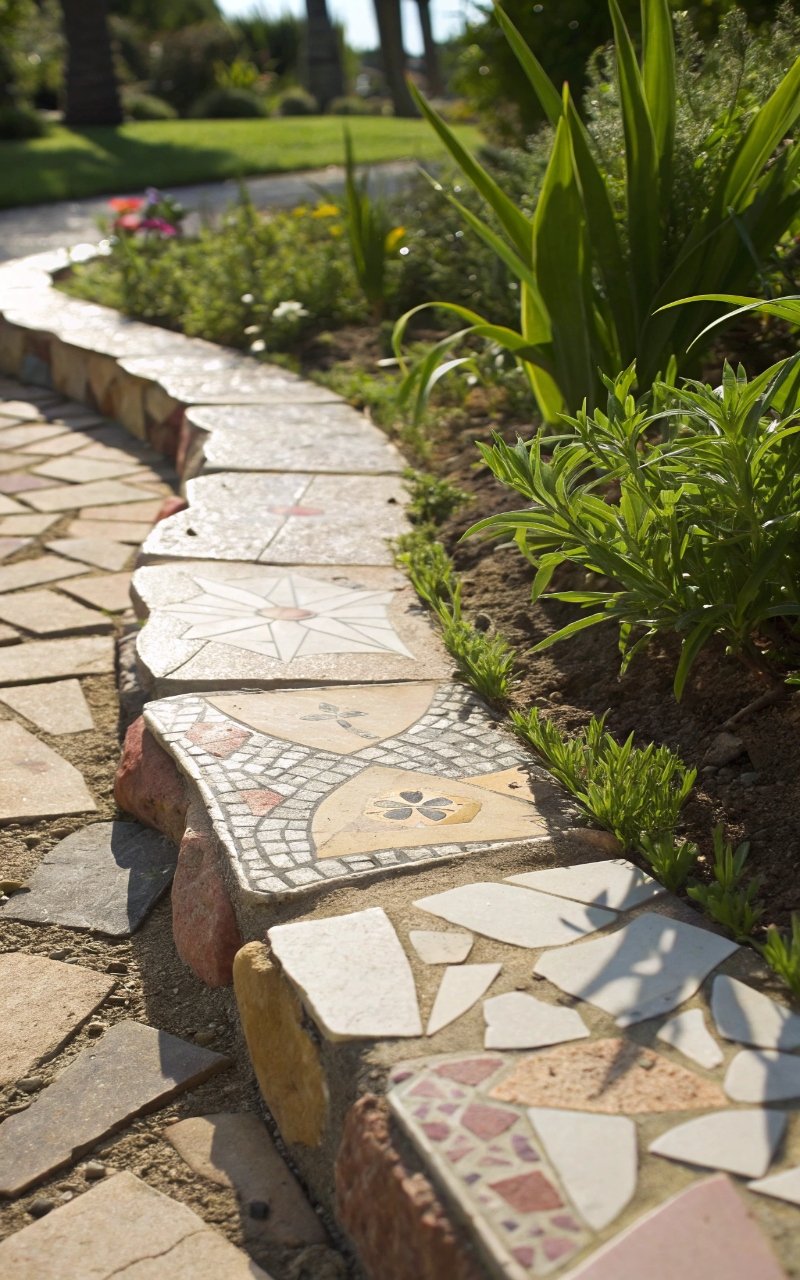
I used leftover tile pieces from a past project and arranged them along the garden edge, and the result felt like creating a little mosaic right in the soil. The mix of colors and patterns added personality without needing anything new. It catches light in subtle ways, which makes the border feel lively throughout the day. It’s creative, slightly imperfect, and honestly kind of fun to build. Doesn’t it feel good to turn scraps into something this eye-catching? Pro Tip: Set tiles in mortar to keep them secure and long-lasting.
2. Upcycled Glass Bottle Border
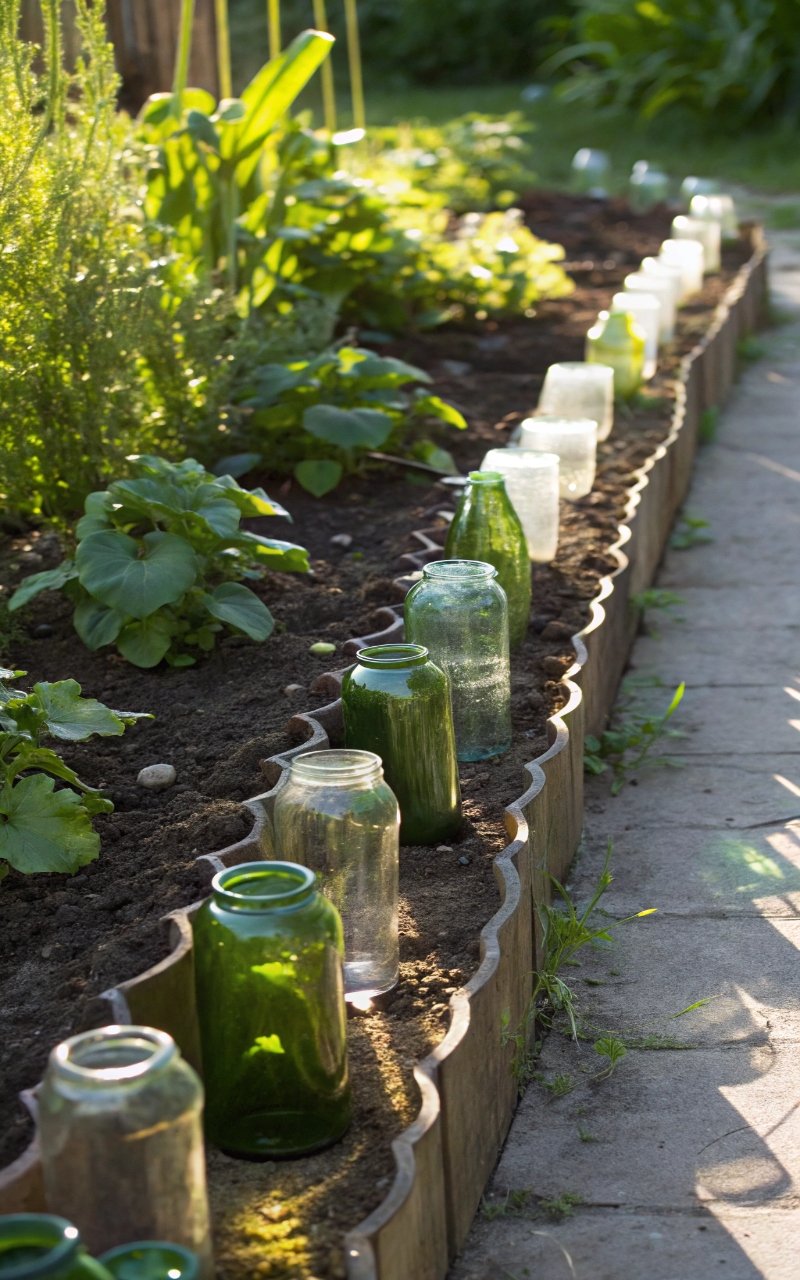
I lined up old glass bottles upside down along a flower bed, and the way sunlight hit them created a soft glow that made the whole edge stand out. It’s a great way to reuse materials while adding a playful touch. The uniform shapes keep things organized, while the colors bring in that creative vibe. It’s quirky, but in the best way possible. It’s definitely one of those ideas people notice. Pro Tip: Bury bottles deep enough to keep them stable.
3. Reclaimed Brick Path Edging
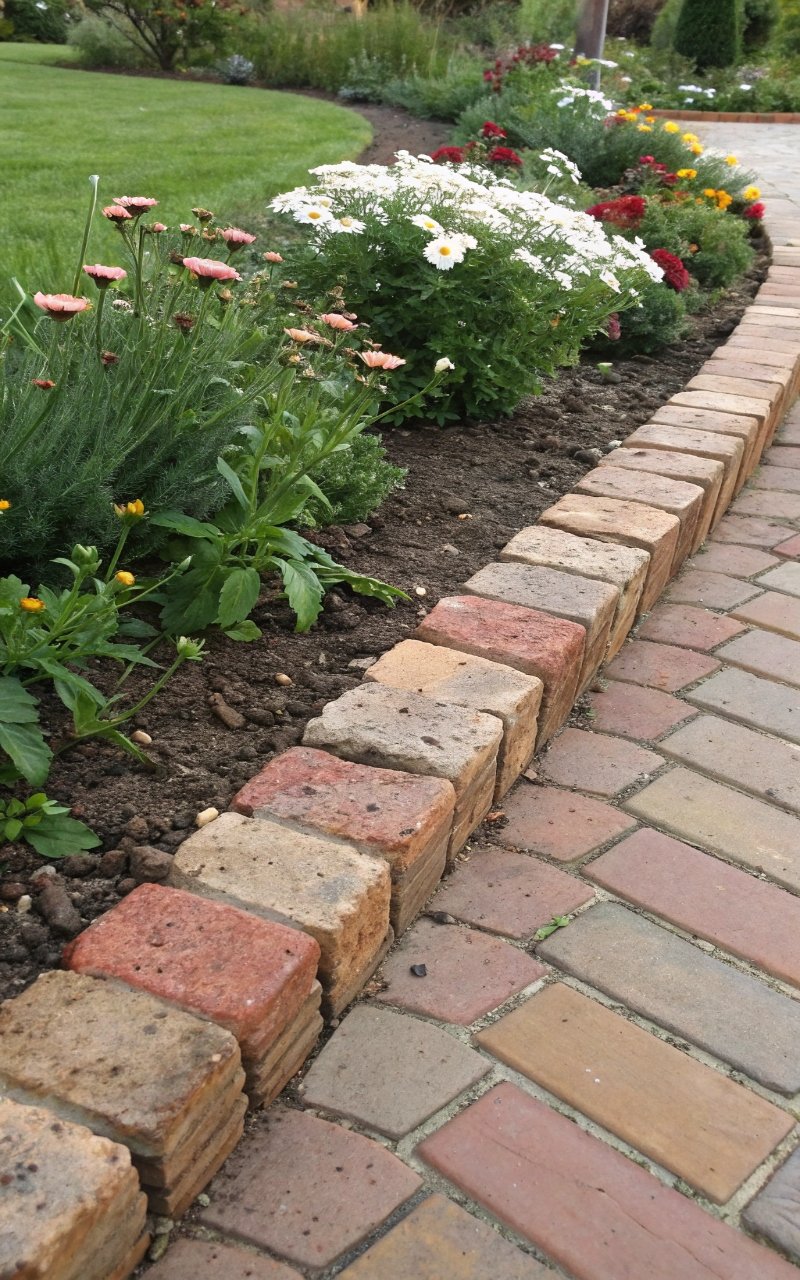
Using reclaimed bricks gave my garden a warm, classic look without spending much at all. The slight variations in color and texture made the edge feel full of character. It’s sturdy, reliable, and easy to arrange in different patterns. You can keep it neat or slightly uneven for a more relaxed feel. It’s simple, but it always works. Pro Tip: Lay bricks in a shallow trench to keep them from shifting.
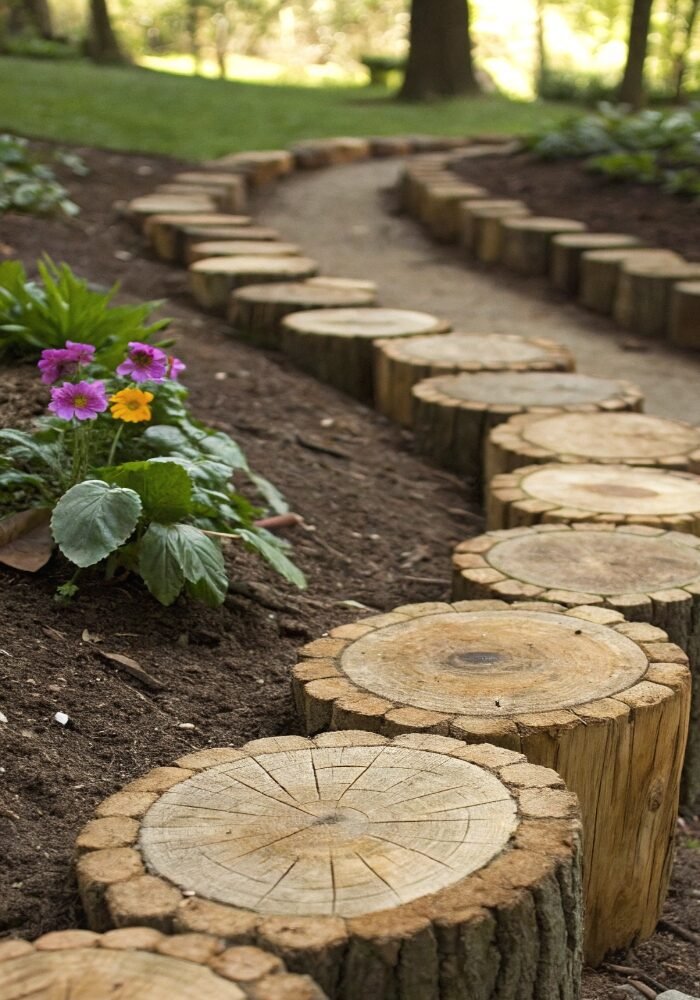
4. Wooden Log Slice Border
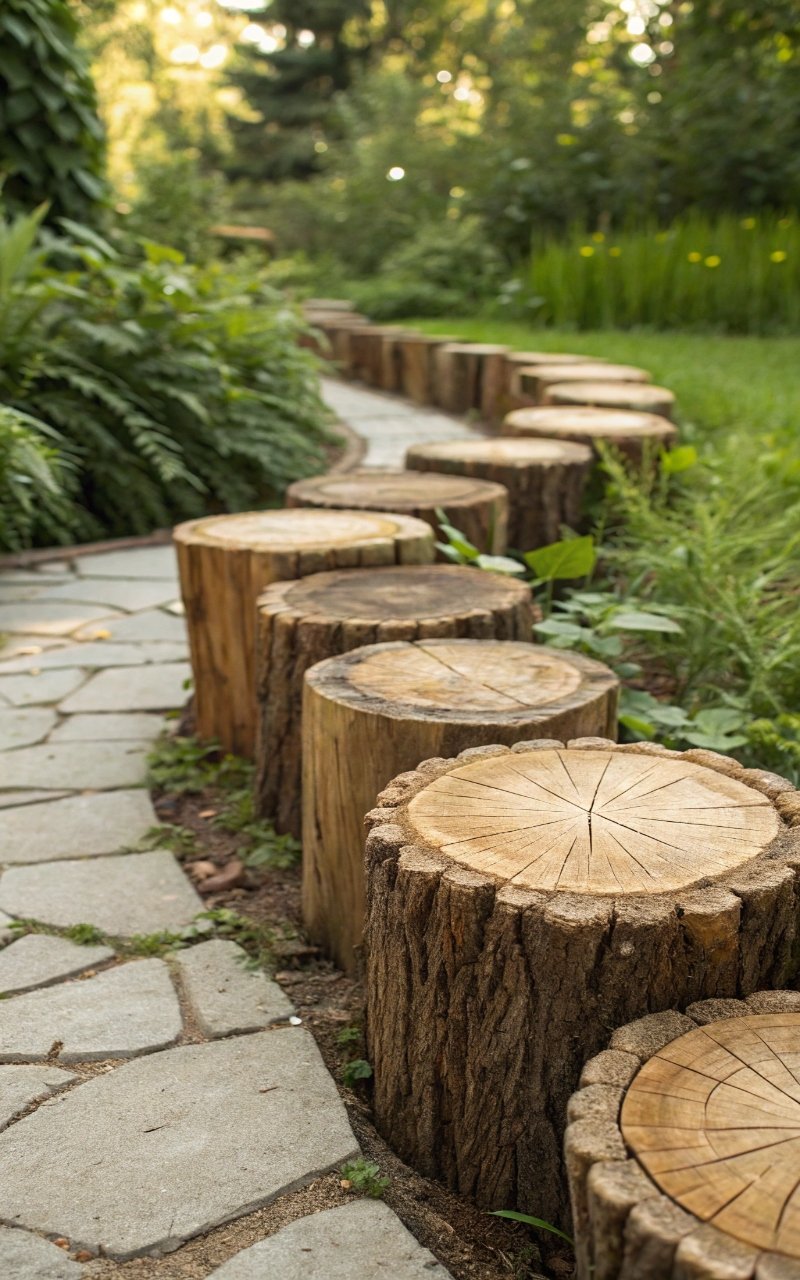
Cutting logs into slices and placing them upright created a cozy, woodland-style edge that feels natural and inviting. Each piece shows its own rings and texture, adding depth to the design. The uneven heights make it feel more organic rather than perfectly structured. It’s one of those ideas that looks like it belongs there. It’s warm, simple, and effective. Pro Tip: Seal the wood to prevent decay.
5. Gravel and Stone Mix Edging
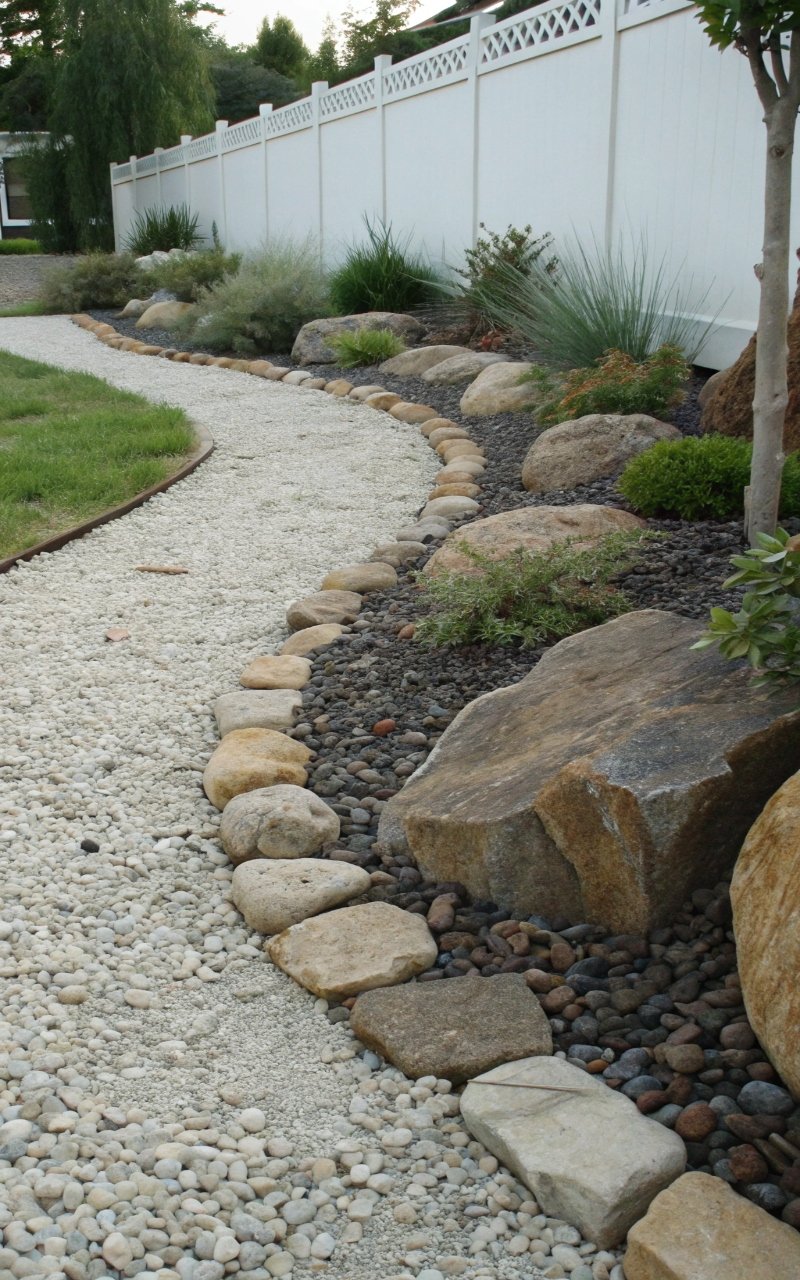
I combined gravel with a few larger stones, and it created a layered look that feels both clean and natural. The gravel fills gaps while the stones anchor the design. It also helps with drainage, which is a nice bonus. The texture contrast makes the border more visually interesting. It’s low-cost but looks thoughtfully designed. Pro Tip: Use landscape fabric underneath to prevent weeds.
6. Painted Concrete Block Border
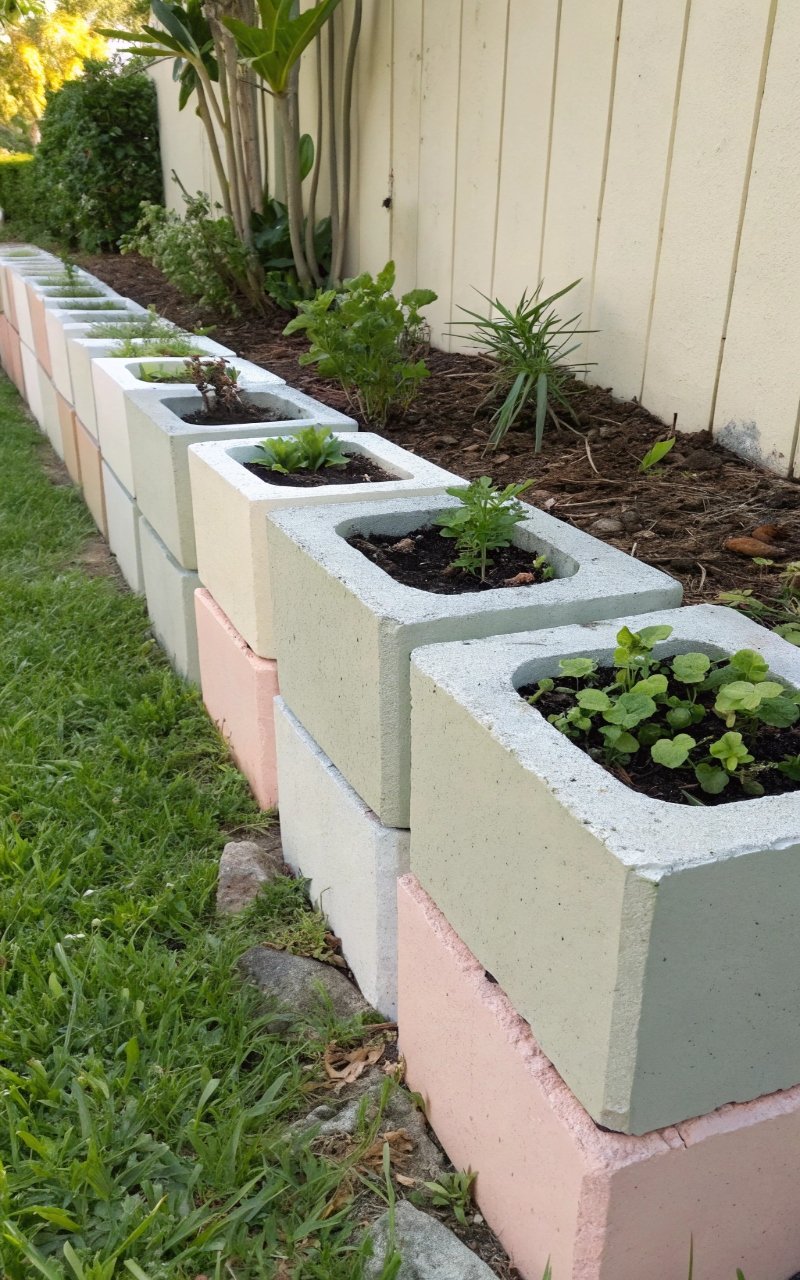
I used basic concrete blocks and gave them a fresh coat of paint, and suddenly they looked more decorative than functional. The clean lines create a modern edge, while the color adds personality. You can even use the hollow centers for small plants. It’s a simple upgrade that feels surprisingly creative. Who knew concrete could look this good? Pro Tip: Use weather-resistant paint for durability.
7. Pallet Wood Edging
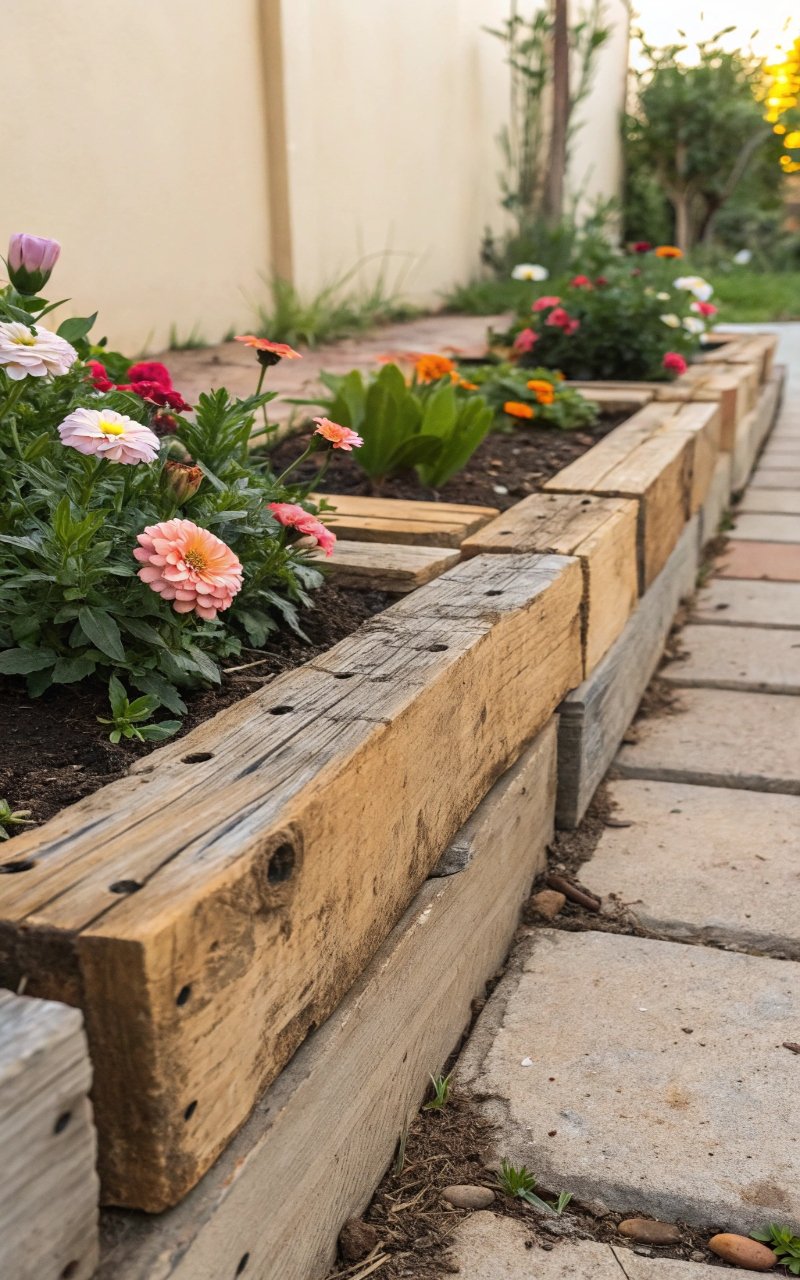
Breaking down old pallets turned into one of the most budget-friendly edging solutions I’ve tried. The wood pieces create a rustic, slightly weathered look that feels relaxed and natural. Each plank adds its own character, making the design unique. It’s a great way to reuse materials without spending much. It’s simple, but it works beautifully. Pro Tip: Sand the wood to avoid splinters.
8. Rope and Stake Border
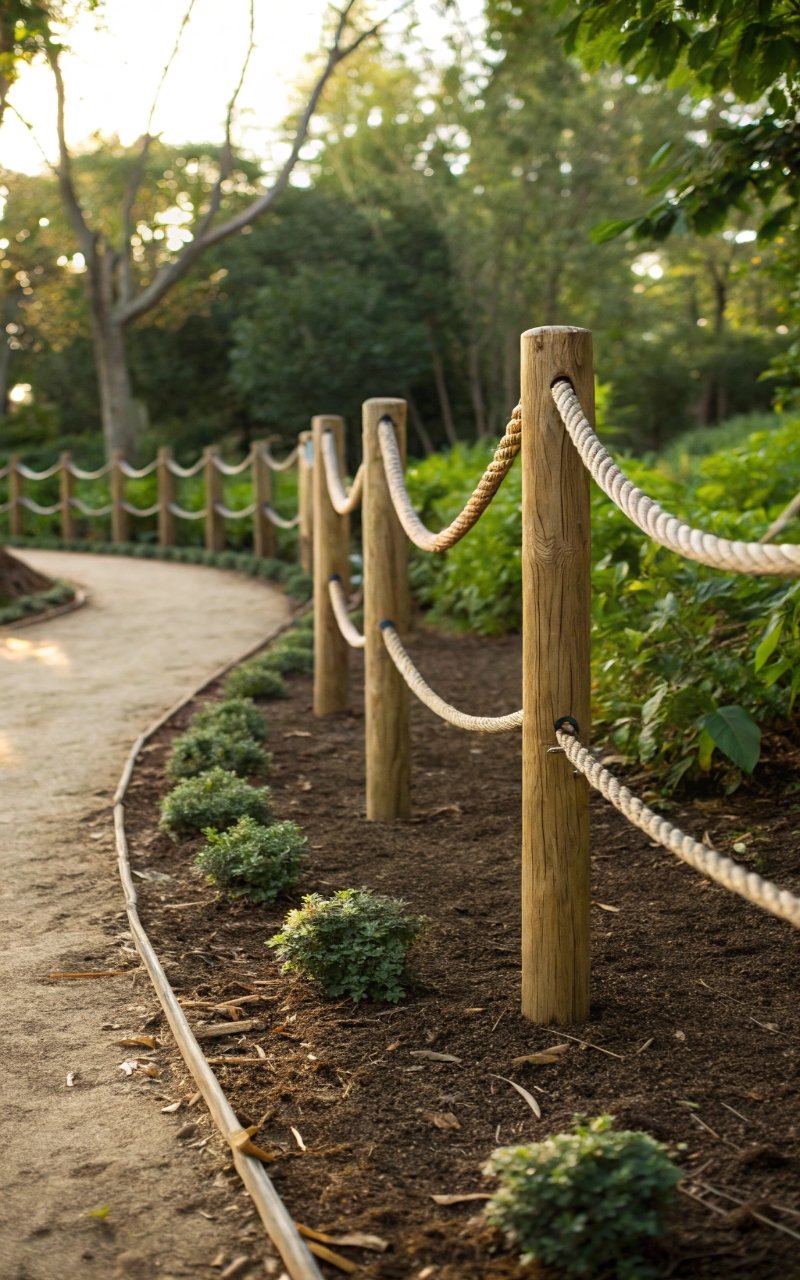
I set up a rope border with small stakes, and it added a soft, laid-back edge that feels different from traditional materials. The rope creates a visual boundary without feeling heavy. It’s perfect for a casual, slightly coastal vibe. The texture adds interest without overwhelming the space. It’s unexpected in a really good way. Pro Tip: Choose weather-resistant rope to extend its life.
9. Terracotta Pot Edging
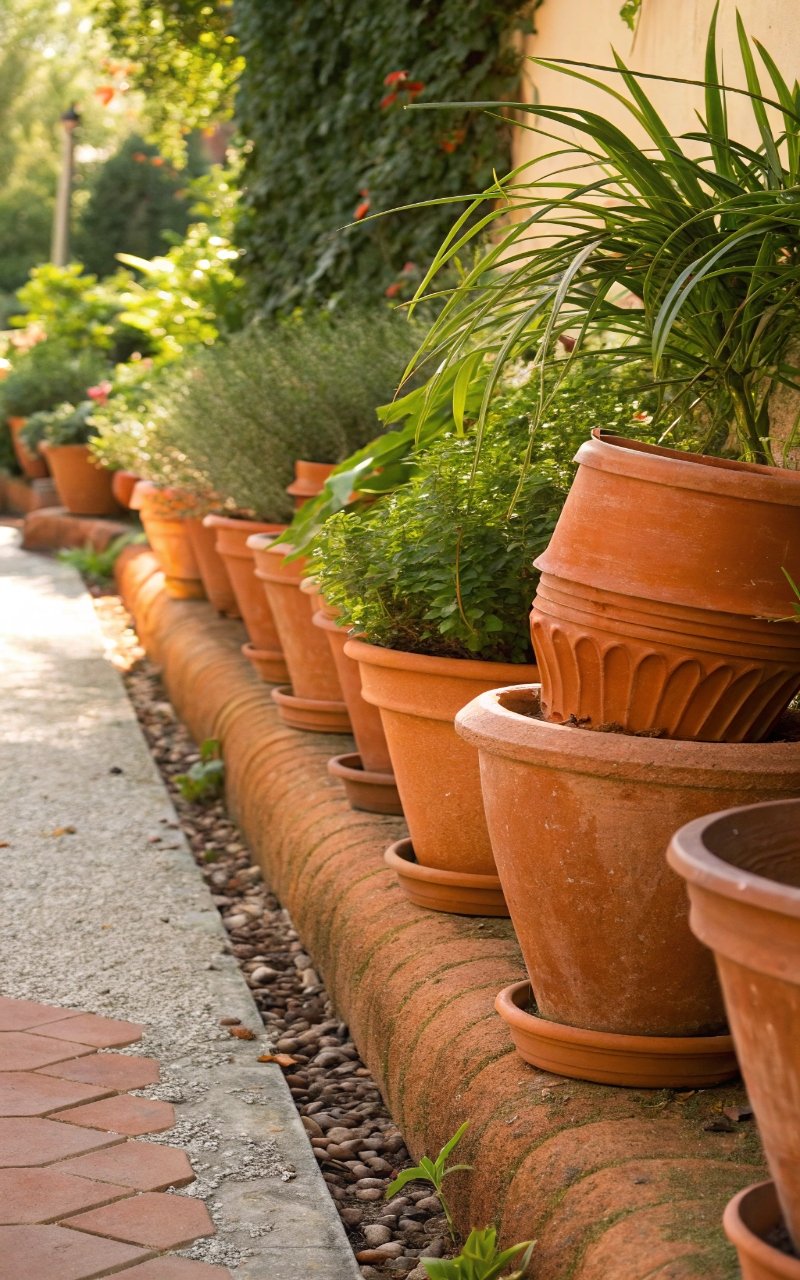
I placed small terracotta pots along the edge, some upright and others tilted, and it created a warm, layered border full of character. The earthy tones pair beautifully with plants, adding a cozy feel. You can even plant herbs or flowers inside for extra detail. It’s decorative and functional at the same time. It’s such a charming idea. Pro Tip: Mix different pot sizes for a more dynamic look.
10. Bamboo Stick Border
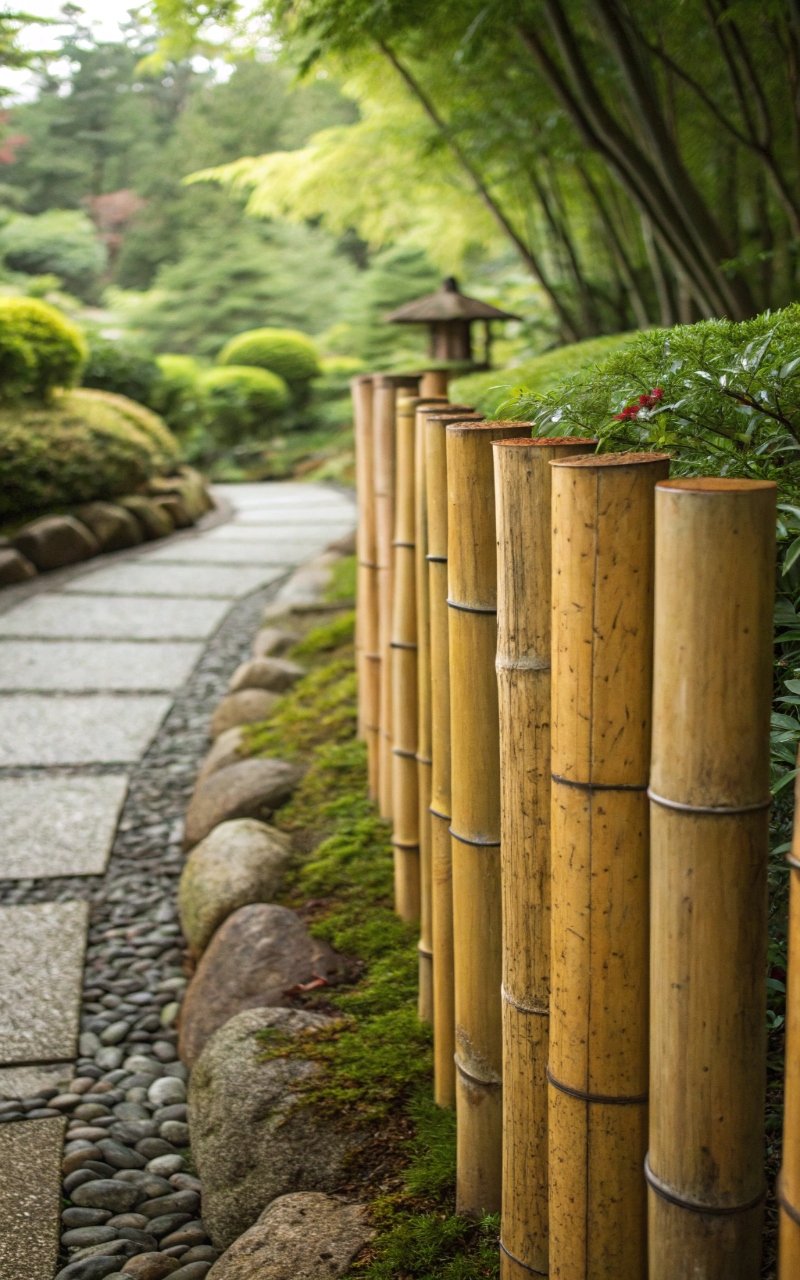
Using bamboo sticks gave the garden a calm, natural look that blends seamlessly with greenery. The vertical lines create a gentle rhythm that draws the eye without being too bold. It’s lightweight, affordable, and easy to install. The texture adds a subtle design element. It’s simple, but it really works. Pro Tip: Tie sticks together for added stability.
11. Metal Scrap Edging
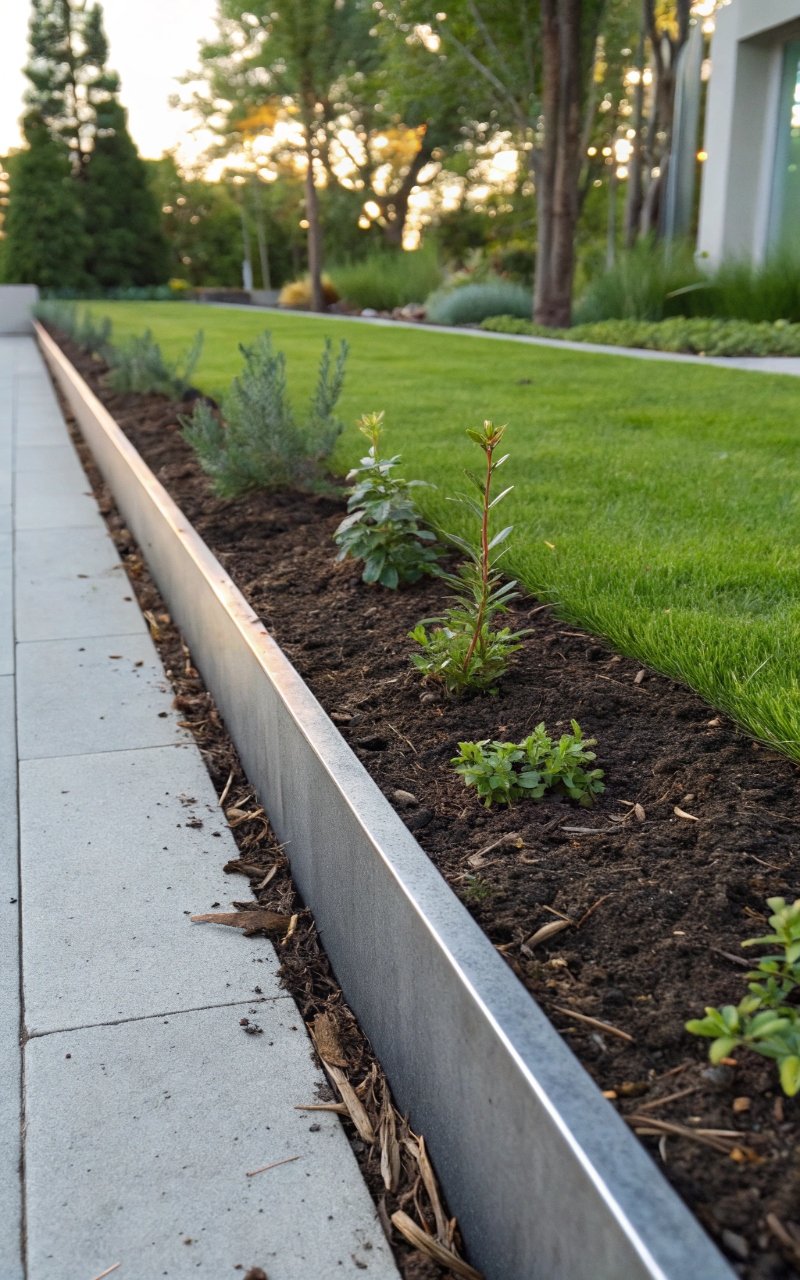
I repurposed thin metal pieces to create a sleek, industrial-style edge that feels modern and clean. The metal contrasts nicely with soft plants, creating balance. It’s durable and low-maintenance, which makes it practical as well. The look feels sharp without being overwhelming. It’s minimal but impactful. Pro Tip: Smooth sharp edges before installation.
12. Living Herb Border
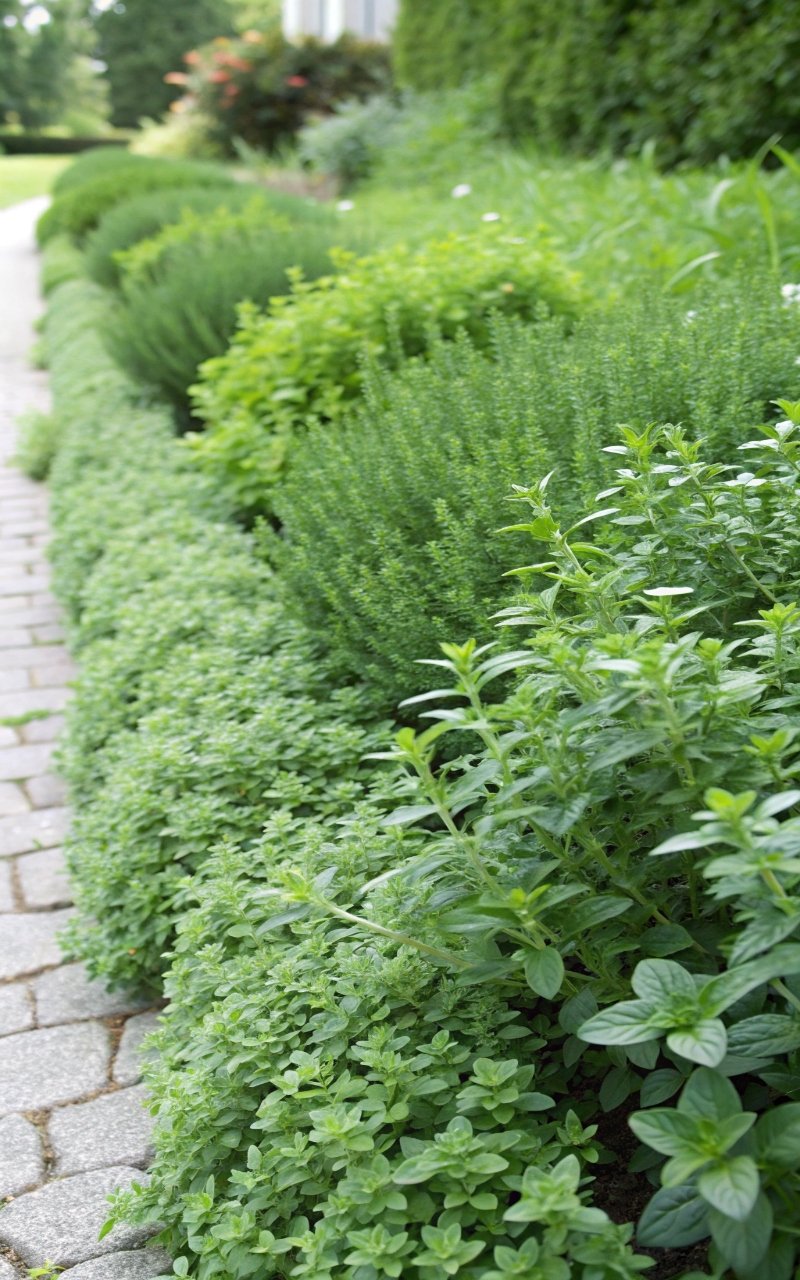
Planting herbs along the edge created a border that looks beautiful and smells amazing when you brush past it. It’s functional and decorative at the same time, which makes it feel extra rewarding. The greenery softens the space while still defining it clearly. It’s a natural option that grows over time. It’s simple, but it adds so much life. Pro Tip: Trim regularly to keep the border neat.
13. Old Plate or Dish Edging
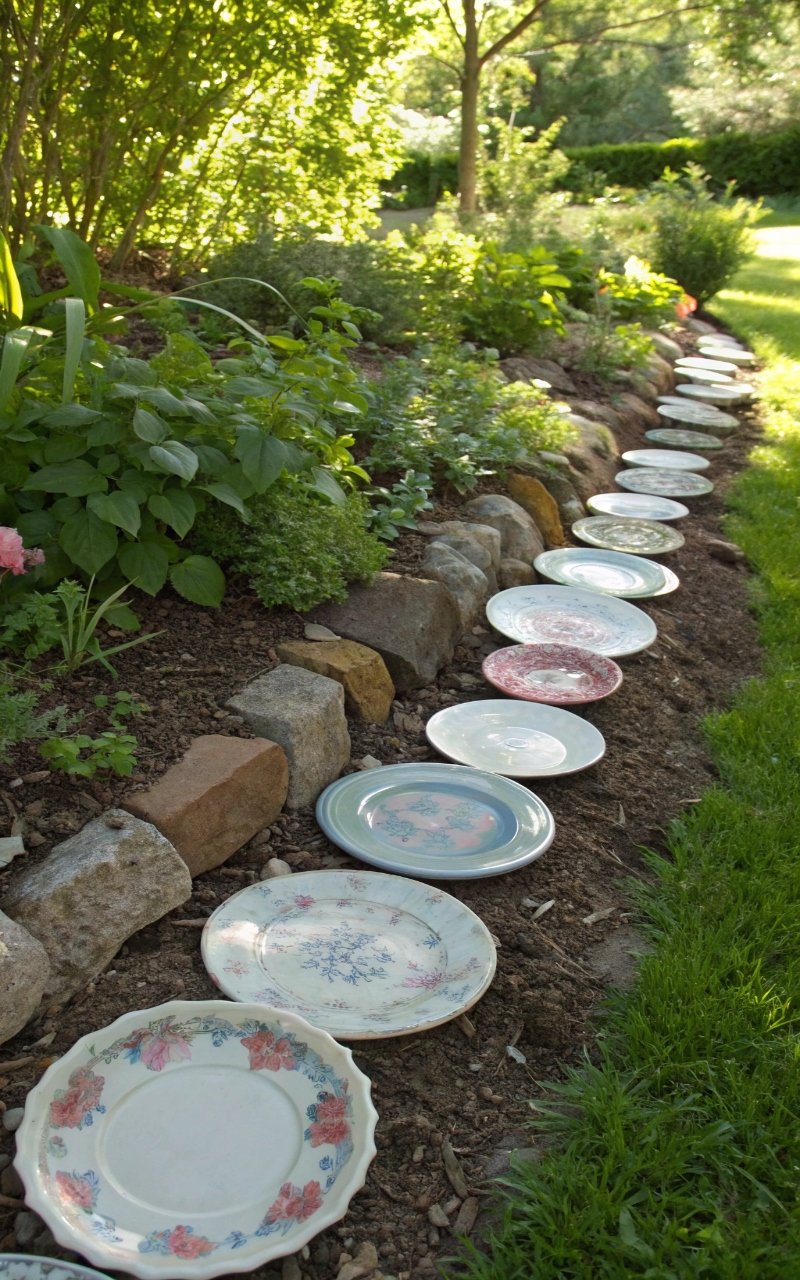
I used mismatched plates and dishes to create a unique border, and it turned into one of the most creative features in the garden. The patterns and colors add personality and a bit of charm you don’t usually see outdoors. It’s a great way to reuse items that might otherwise sit unused. It feels playful and artistic. It’s definitely a conversation piece. Pro Tip: Secure plates firmly to prevent breakage.
14. Simple Trench Edging
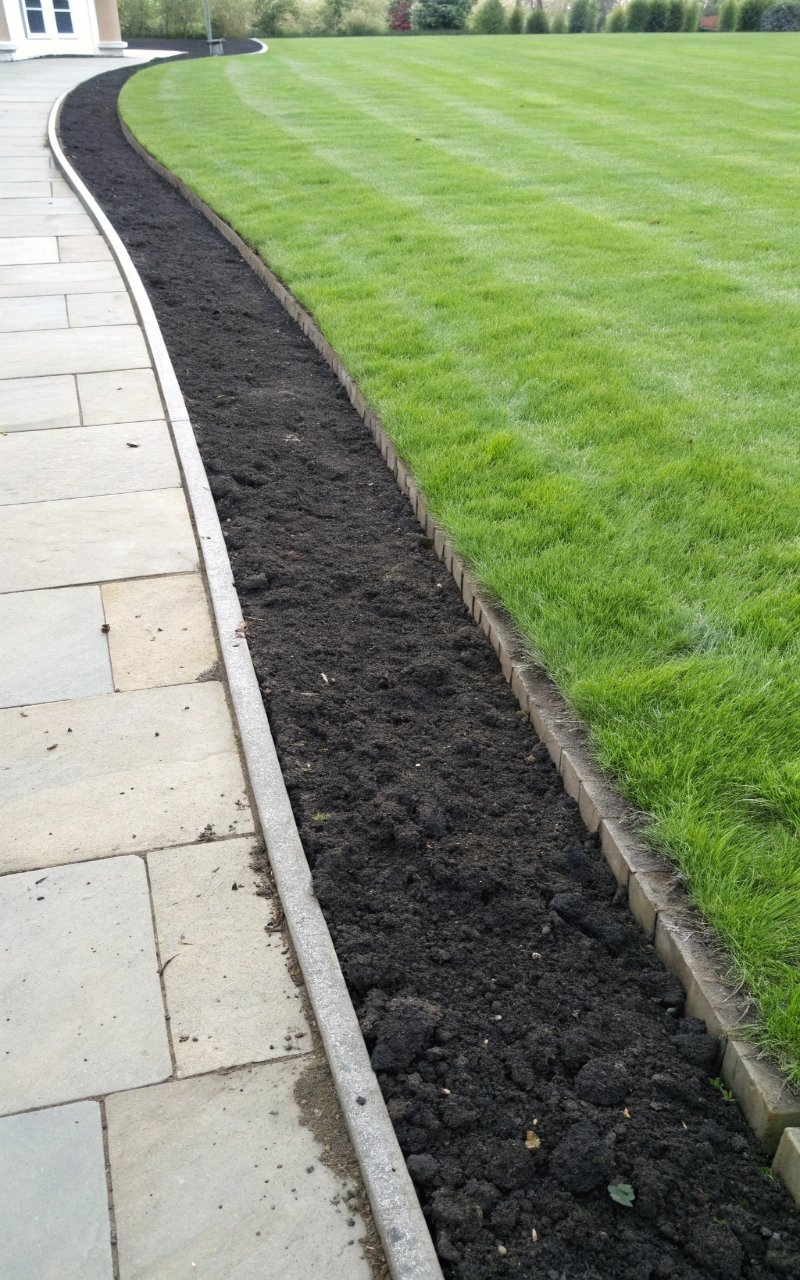
Sometimes the simplest solution works best, and digging a clean trench created a subtle but effective border. The contrast between soil and grass forms a natural line that looks neat and intentional. It doesn’t cost anything, which makes it even better. It’s low-effort but high-impact. Why complicate something that already works? Pro Tip: Maintain the trench regularly to keep edges sharp.
Conclusion
Creative garden edging doesn’t have to come with a high price tag to make a real difference in your outdoor space. These ideas show how everyday materials, a bit of imagination, and a willingness to experiment can completely transform how your garden looks and feels. Each option adds structure, helps manage soil, and brings a sense of order that makes everything more visually appealing. It’s a small change that carries a big impact.
What makes these budget-friendly ideas so satisfying is how personal they can become, allowing you to shape your garden in a way that reflects your style. You’re not just adding edges—you’re adding character, texture, and intention. Even the most simple materials can turn into something special when used creatively. That’s where the real value comes in.
As you start working on your garden, try a few of these ideas and see what fits your space best. You don’t need to get everything perfect right away—just start, adjust, and enjoy the process. Over time, those small changes will come together into something that feels complete, cohesive, and uniquely yours. And that’s what makes it all worth it.