16 Table Styling Mistakes to Avoid
I still remember the first time I stepped back from a table I’d styled and felt… disappointed. I had all the “right” pieces—books, candles, decor—but somehow the table felt cluttered and awkward instead of polished. It took a while to realize the problem wasn’t what I added, but what I didn’t edit. That moment completely changed how I style surfaces.
Tables are tricky because they sit right at eye level and get used constantly. When styling goes wrong, it feels obvious, even if you can’t quite explain why. A few small missteps can make a room feel messy, cramped, or unfinished without you realizing what’s causing the discomfort.
If you want your tables to feel calm, intentional, and beautifully styled, these table styling mistakes to avoid will help you fix what’s holding your space back and finally get that effortless, pulled-together look.
1. Using Decor That’s Too Small
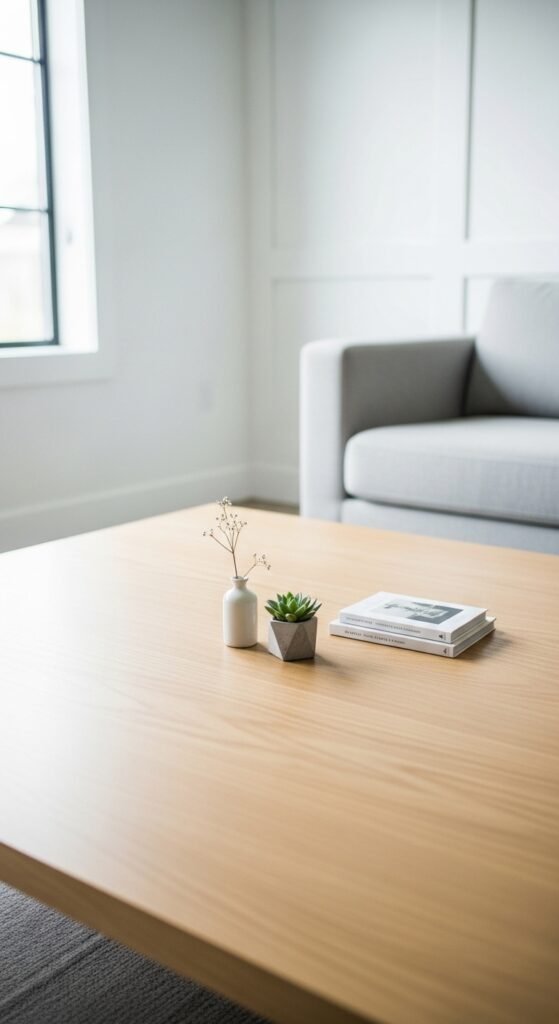
Tiny decor pieces tend to disappear on a table, making the surface feel underwhelming or scattered. I’ve learned that scale matters more than quantity. Small items often look like clutter instead of design. The table feels unfinished. Doesn’t presence matter more than number? Bigger pieces usually read as more intentional.
Pro Tip: Choose fewer items with visual weight.
2. Overcrowding the Table
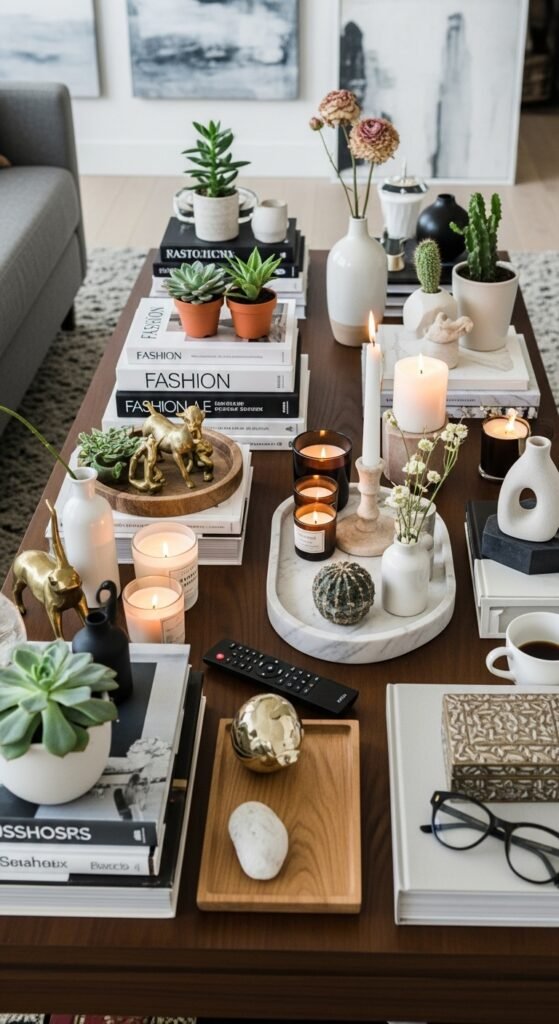
Filling every inch of the table makes the space feel chaotic and stressful. I’ve definitely fallen into the trap of adding “just one more thing.” Suddenly there’s nowhere to rest your eyes—or your coffee. Doesn’t breathing room make a space feel calmer? Negative space is part of styling.
Pro Tip: Leave at least one-third of the table empty.
3. Ignoring Functionality
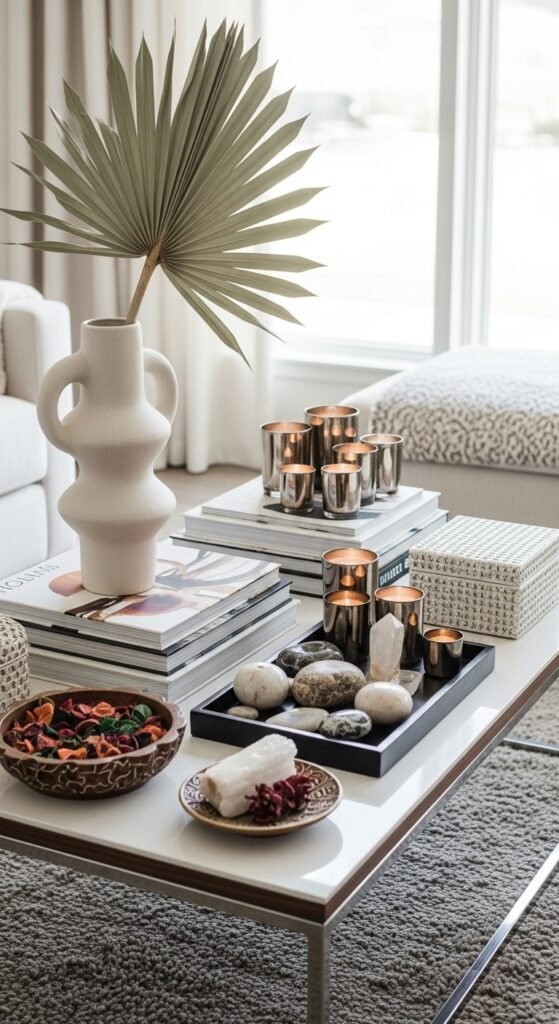
A table still needs to be usable, no matter how pretty it looks. I’ve styled tables that looked great but were impossible to actually use. That disconnect always feels off. Design should support real life. Doesn’t function make style feel smarter? Practicality matters.
Pro Tip: Clear space where hands naturally land.
4. Using Too Many Different Styles
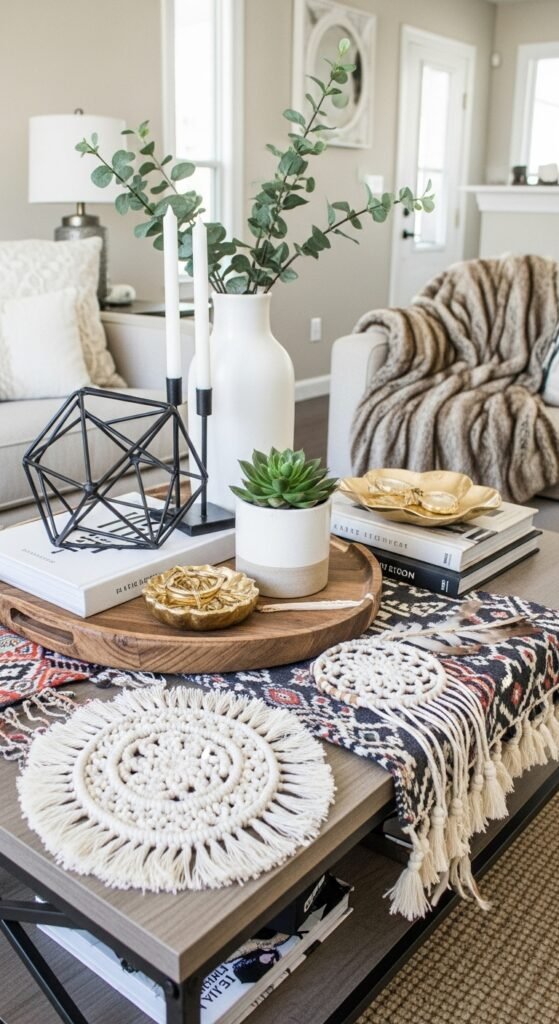
Mixing styles without intention creates visual confusion. I’ve seen tables where modern, rustic, glam, and boho all fight for attention. Nothing feels cohesive. The table lacks a clear identity. Doesn’t consistency help things feel calm? Style needs direction.
Pro Tip: Stick to one main style with subtle accents.
5. Forgetting Height Variation
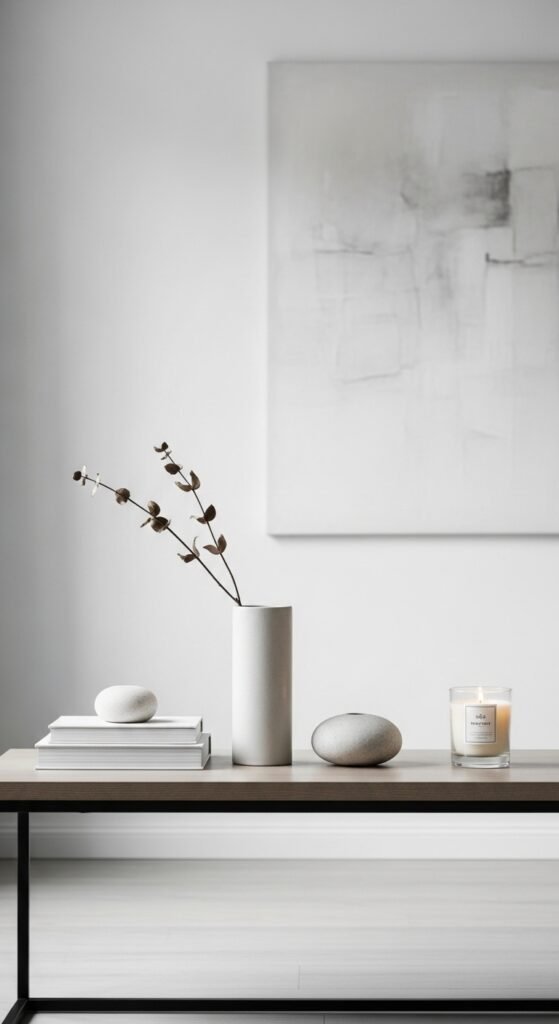
Decor at the same height makes a table feel flat and boring. I used to line things up evenly without realizing why it felt dull. Height creates rhythm and movement. The eye needs somewhere to travel. Doesn’t variation make things more interesting? It changes everything.
Pro Tip: Use tall, medium, and low elements together.
6. Placing Items Randomly
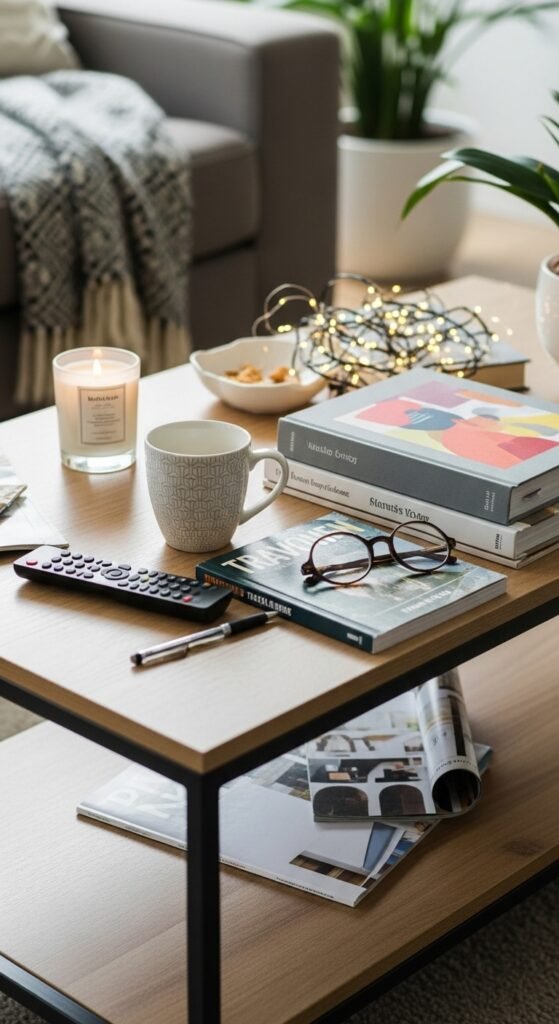
Random placement makes styling feel accidental instead of intentional. I’ve learned that everything should feel like it belongs exactly where it is. When items float without purpose, the table feels messy. Doesn’t intention show through placement? Thoughtfulness is visible.
Pro Tip: Group items in clear clusters.
7. Overusing Symmetry
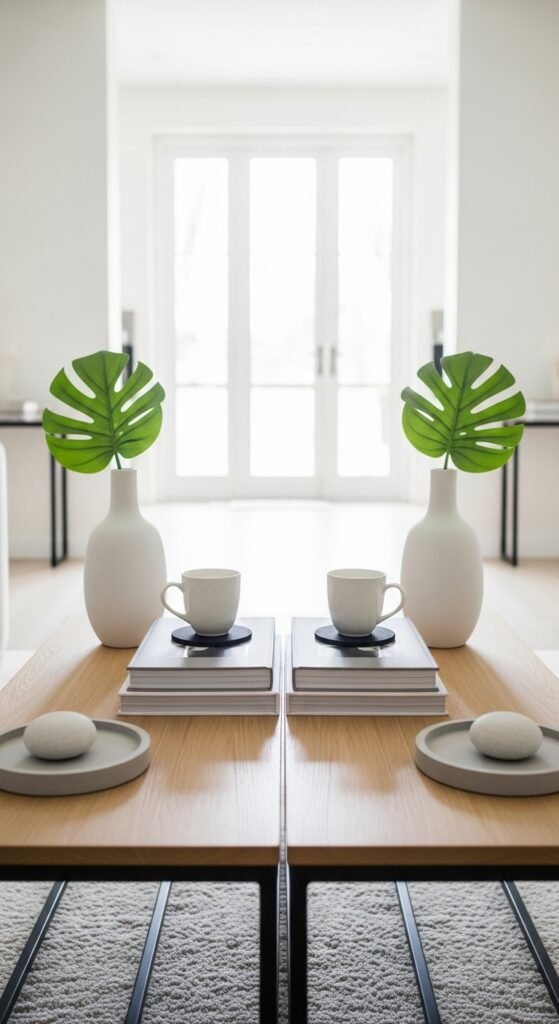
Perfect symmetry can feel stiff and overly formal on a table. I love balance, but too much symmetry removes personality. The setup starts to feel staged. Doesn’t a little asymmetry feel more natural? Real homes aren’t perfectly mirrored.
Pro Tip: Balance visually, not mathematically.
8. Choosing Decor That’s Too Tall
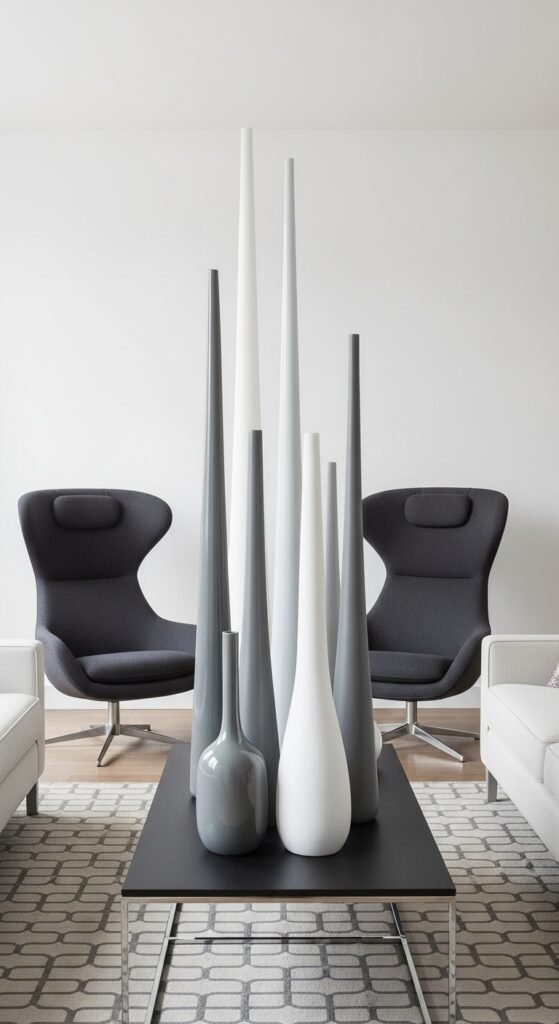
Overly tall decor blocks sightlines and disrupts conversation. I’ve placed vases before that felt dramatic but impractical. The table stopped feeling social. Doesn’t flow matter in shared spaces? Height should support interaction.
Pro Tip: Keep tall items off dining and coffee tables.
9. Using Only Hard Materials
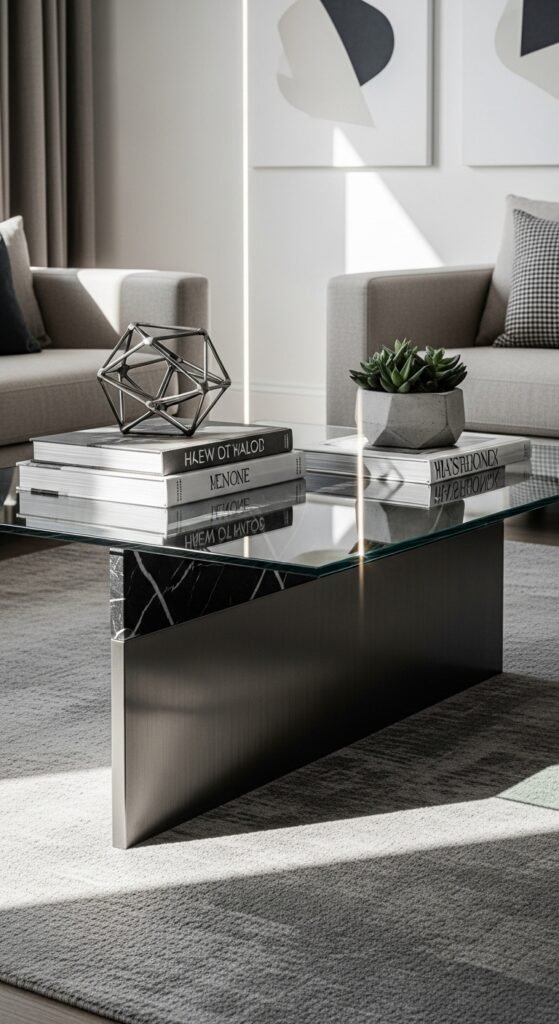
Too many hard surfaces make a table feel cold. I’ve learned to soften things with fabric, greenery, or organic shapes. Texture adds warmth instantly. The table feels more inviting. Doesn’t softness make spaces feel more livable? Balance is key.
Pro Tip: Add one soft or natural element.
10. Ignoring the Surrounding Furniture
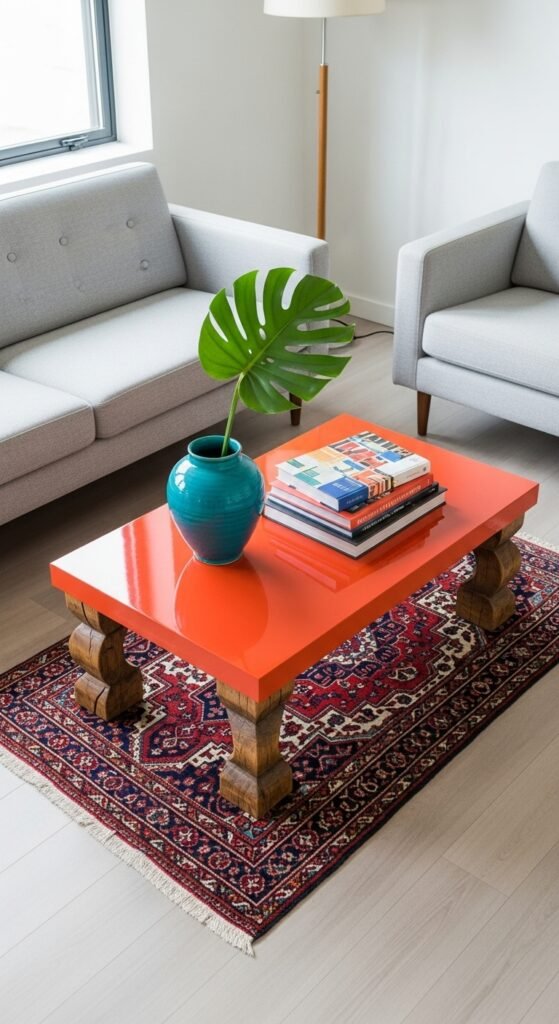
A table doesn’t exist in isolation. I’ve styled tables that looked nice on their own but clashed with the room. The disconnect was obvious. Styling should echo the space around it. Doesn’t harmony make everything feel intentional? Context matters.
Pro Tip: Pull colors or materials from nearby furniture.
11. Using Decor Without Meaning
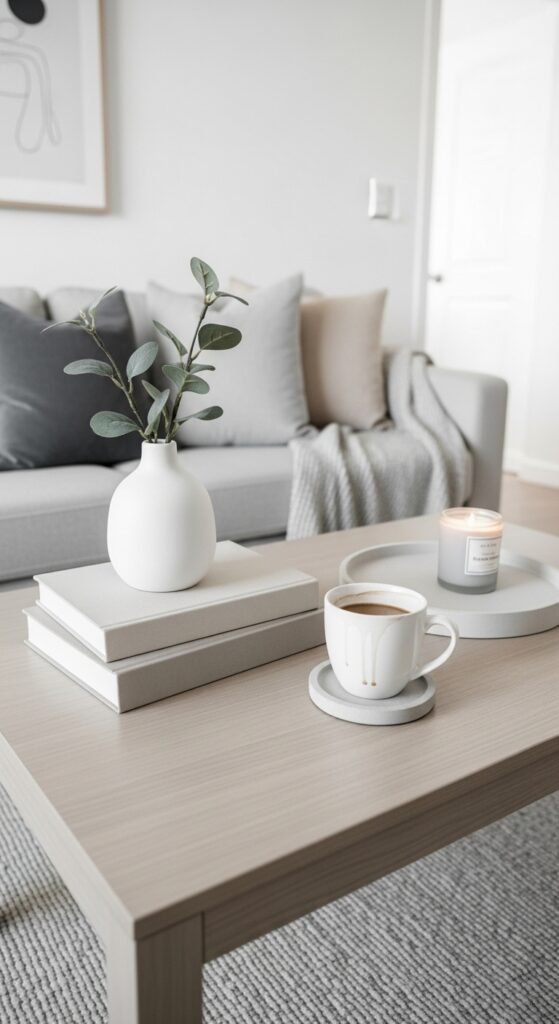
Generic decor can make a table feel impersonal. I’ve swapped trendy pieces for meaningful objects and felt the difference immediately. The space felt warmer. Stories matter in styling. Doesn’t personality make decor feel alive? It always does.
Pro Tip: Include at least one personal item.
12. Forgetting a Visual Anchor
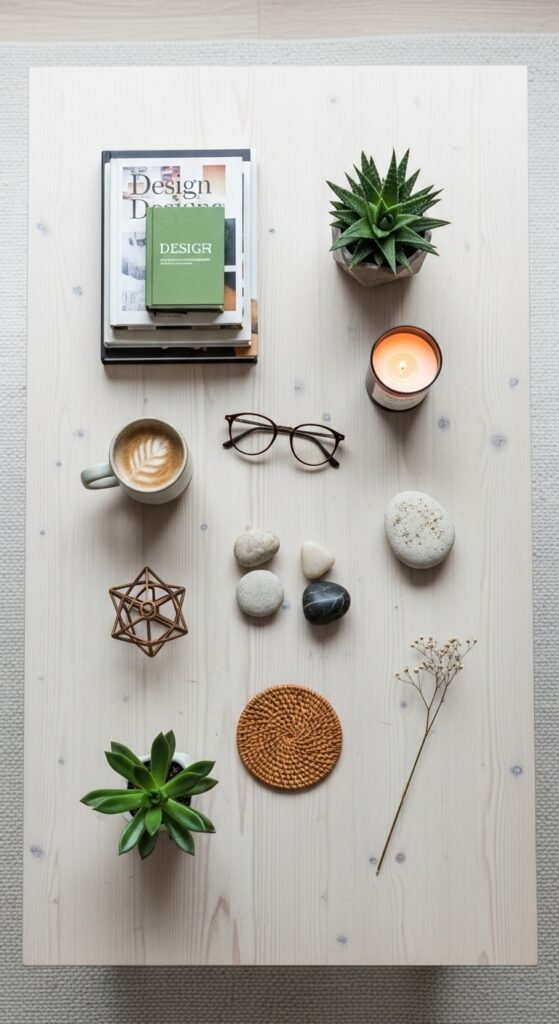
Every table needs a main focal point. I’ve styled tables with lots of small items and no anchor, and they always felt scattered. One strong piece grounds everything else. Doesn’t a centerpiece give clarity? It’s the foundation.
Pro Tip: Start with one statement item.
13. Using Too Many Colors
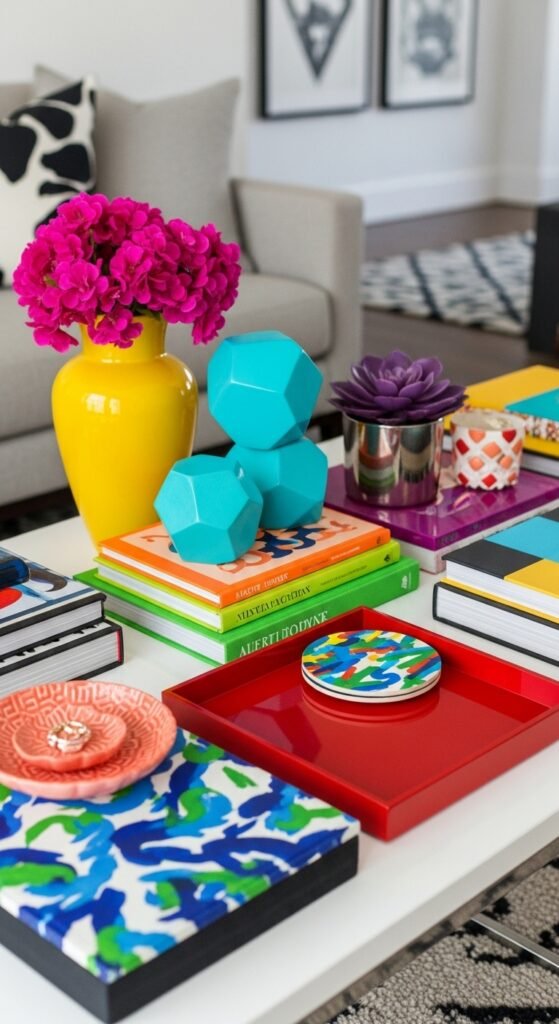
Too many colors can make a table feel chaotic. I’ve learned that restraint creates calm. When everything competes, nothing stands out. A limited palette feels intentional. Doesn’t simplicity read as more refined? Color control matters.
Pro Tip: Stick to two or three main tones.
14. Forgetting to Edit Regularly
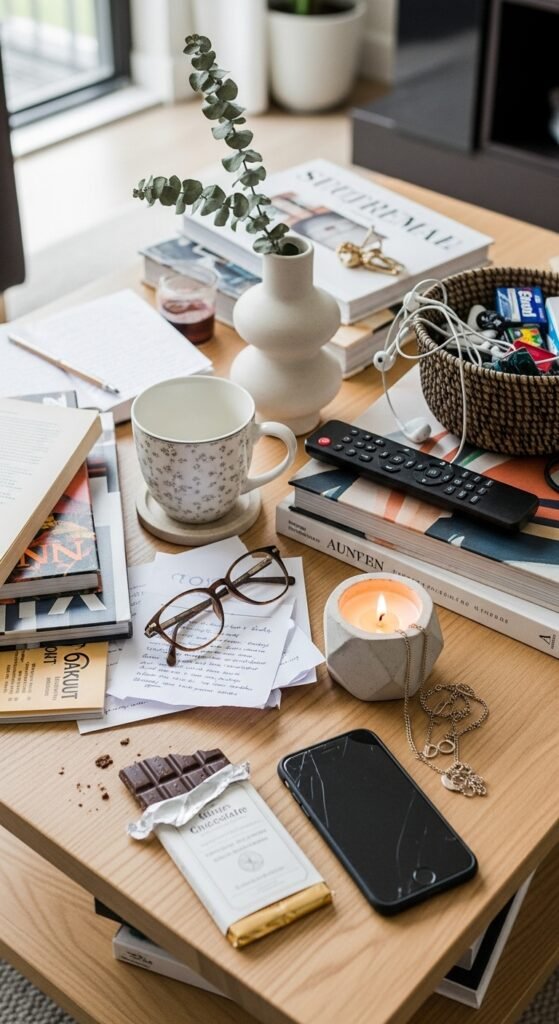
Tables collect clutter faster than almost any surface. I’ve styled something beautifully, only to let it slowly fall apart. Editing keeps things fresh. Styling isn’t one-and-done. Doesn’t maintenance protect the look? It really does.
Pro Tip: Reset your table weekly.
15. Treating Every Table the Same
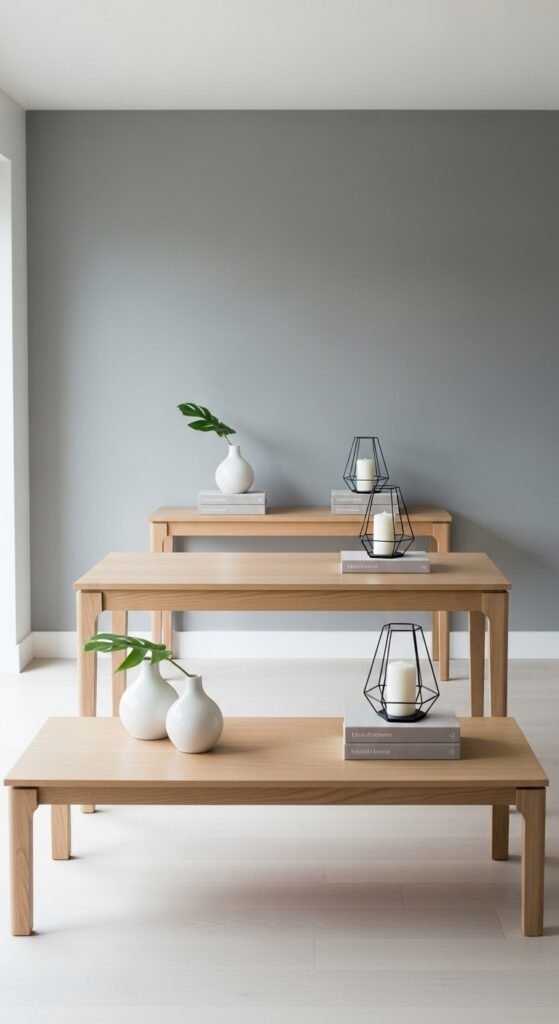
Not every table needs the same styling approach. I’ve learned that coffee tables, dining tables, and consoles all need different rules. Copying one look everywhere feels repetitive. Each surface has its own job. Doesn’t intention change with function? It should.
Pro Tip: Style based on how the table is used.
16. Forgetting to Step Back and Look
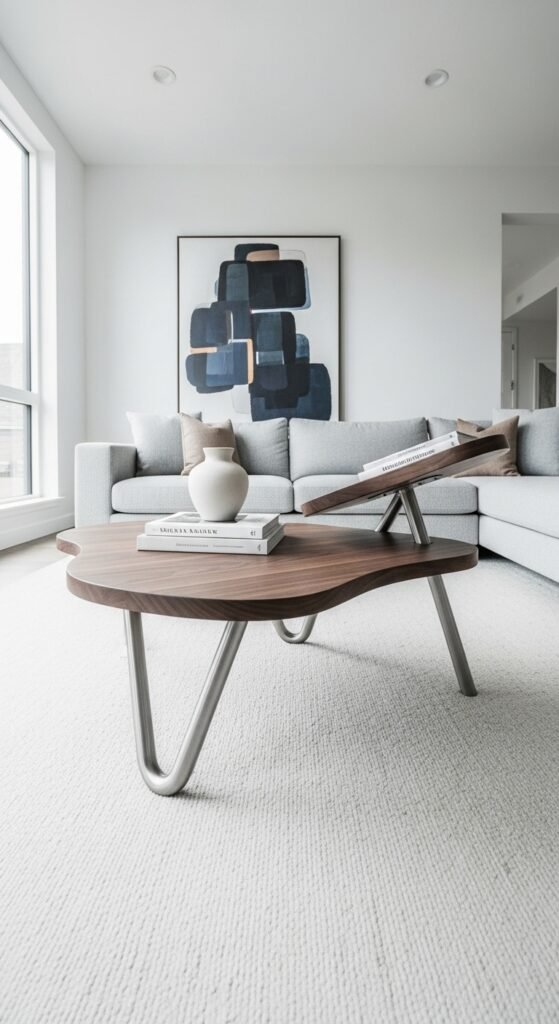
Sometimes the biggest mistake is not pausing to really look. I’ve styled tables up close and missed how off they felt from across the room. Distance gives clarity. Perspective matters. Doesn’t stepping back reveal the truth? Always take a moment.
Pro Tip: View the table from multiple angles.
Conclusion
Table styling isn’t about filling space—it’s about creating balance, flow, and intention. When mistakes creep in, a table can quietly disrupt the entire room without you realizing why. The good news is that most issues are easy to fix once you spot them.
What makes a table feel truly beautiful is restraint. Thoughtful editing, meaningful pieces, and functional layout always win over excess. Styling should support how you live, not fight against it.
So the next time your table feels “off,” don’t start by buying more decor. Start by removing, adjusting, and rethinking. With a few mindful changes, your table can feel calm, polished, and effortlessly right.